First Glance at the Rusted Ruins
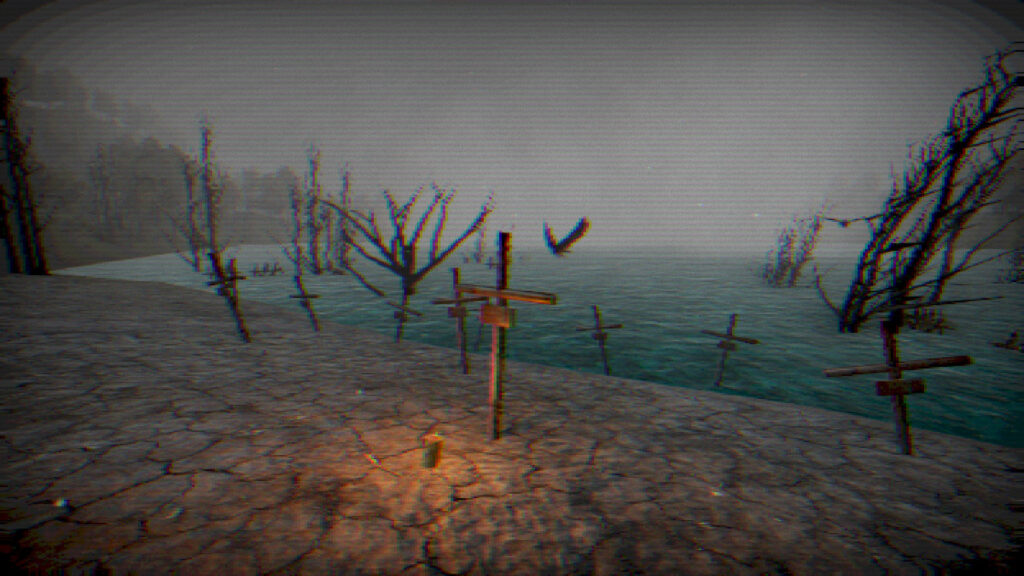
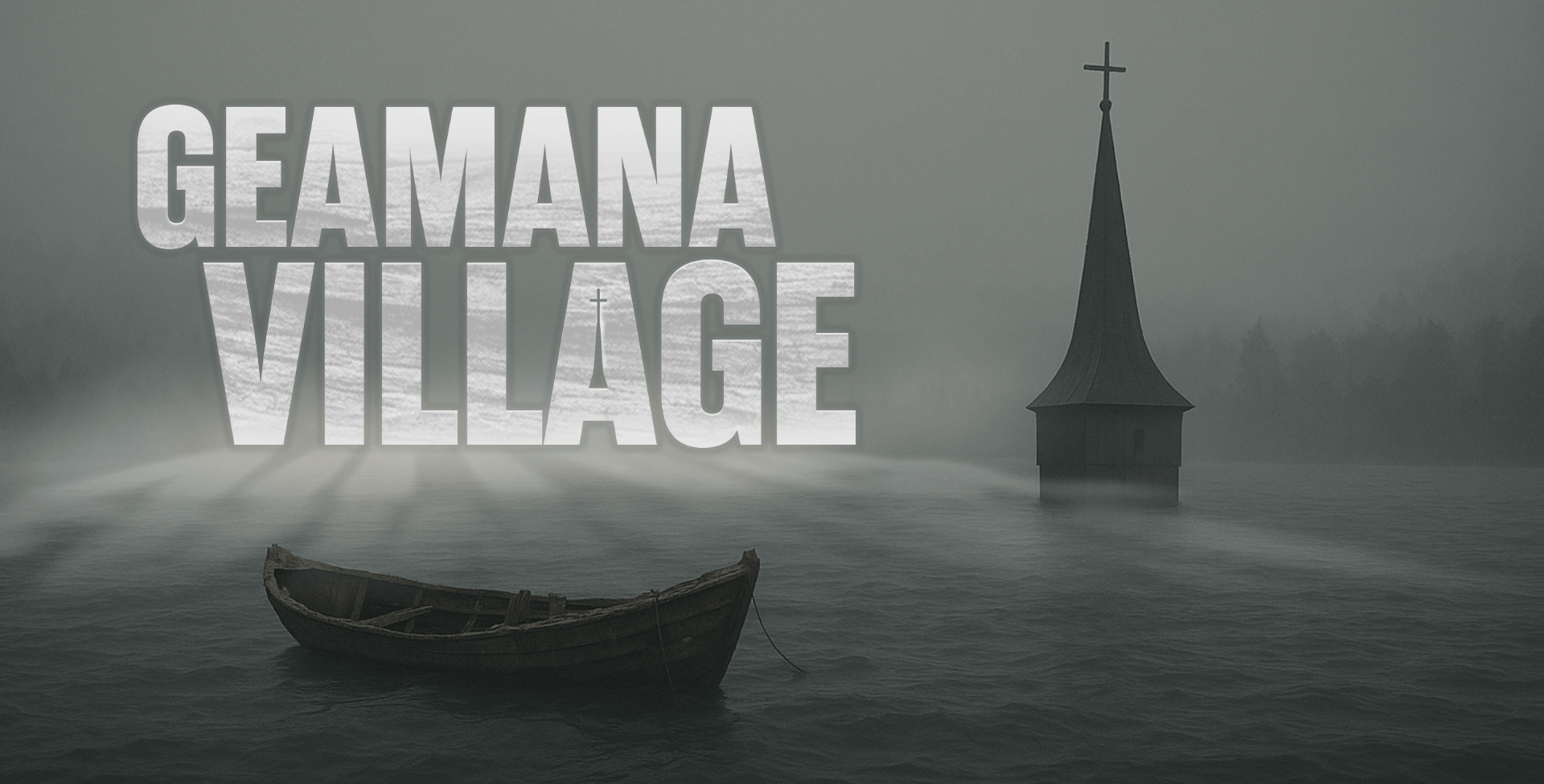
So, what’s brewing here? As a first-person game, “Geamana Village” brings us a drowned village dripping in history and memory, sludge, and the hushed echoes of a disaster.
The evidence we will gather with a camera and notebook is our only weapon against the silence and encroaching dreariness of a once thriving village.
Under the Sludge: Setting & Story
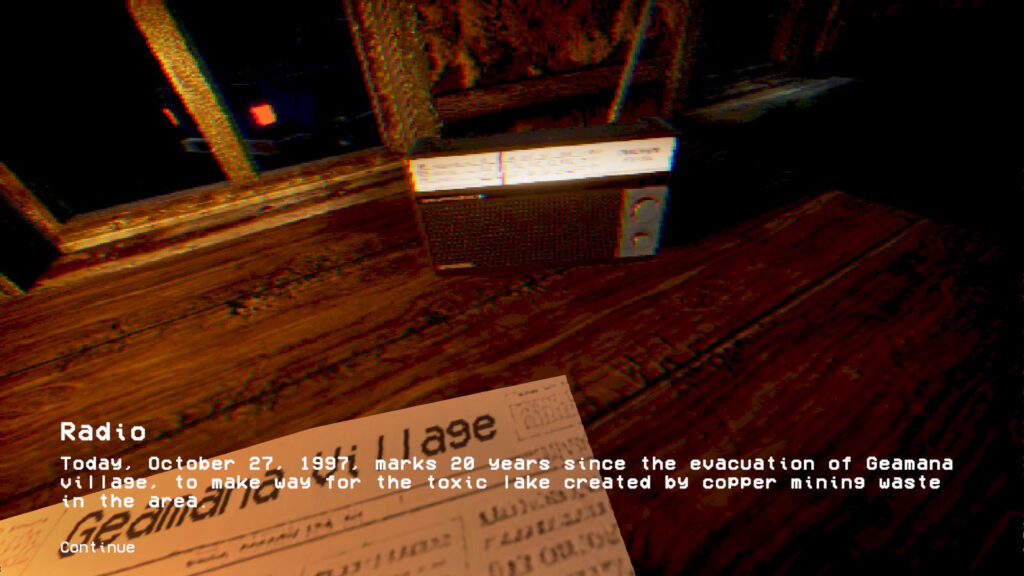
This is a world where the only waves you’ll hear are those of poisoned water licking the shattered bones of the village.
Back in 1977, while under communist rule, mining activities resulted in poisoned land where toxic water encroached upon the valley without warning. Homes vanished overnight. Memories washed away, leaving to a deafening silence.
Two decades later, we step in as Moloce Arcip, a disgraced journalist seeking to redeem themselves in the murk and unearth a story others wanted forgotten. A hollow sense of hope still lingers in this sodden world as few locals remain to tell the tale.
Gameplay Mechanics
-
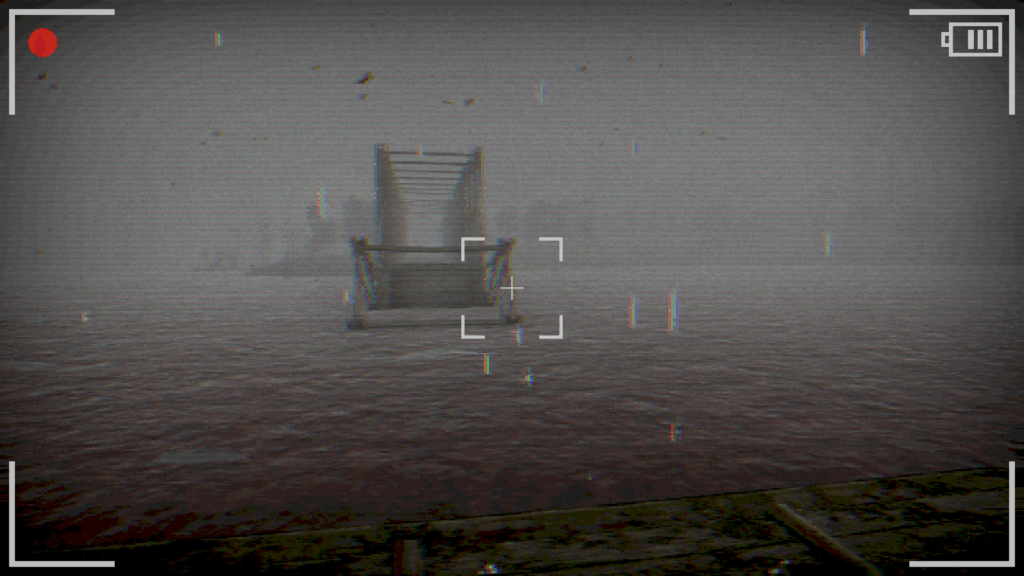
- Keen Photography: Each shot is a scar, a memory of what once was, serving as a witness to things overlooked in history.
-
- Talk with Locals: Survivors stubbornly stay by their homes, some more trusting than other, but not all their accounts of what happened can be trusted – everyone perceives things differently. Or, is it on purpose to lead us atray?
-
- Hunt for Clues: Letters, reports, personal notes… fragments that stitch a submerged past into a vivid picture.
-
- Build Trust: Perform tasks to earn whispers of truth.
-
- Free Flowing Exploration: There’s a creeping dread and silent streets as we investigate at our own pace.
Atmosphere That Bites
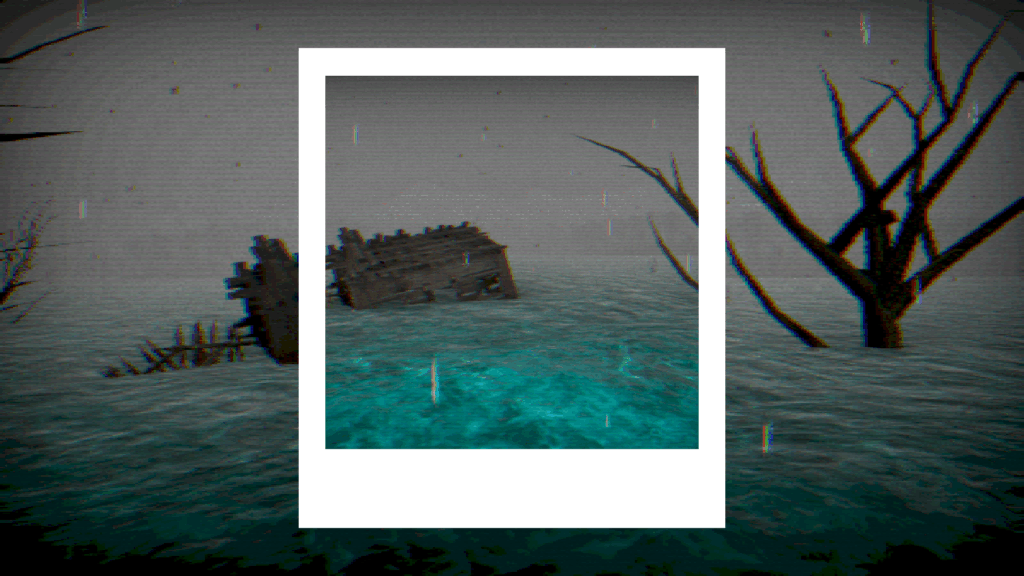
Imagine morning light strained through a concrete-thick fog. The surface of a toxic lake shimmers like a dull wound. Every picture forms a memory carved in mire. That’s the vibe.
The horror will slowly pull us down and collapse hope under the hushed weight of an unseen disaster. Lights turn on in houses where no one lives, mysterious knocks rap at the doors or remaining homes.
Despite the presence of remaining villagers, the surroundings give a sense of lingering dread, as if you know something is just hidden beneath this pall.
Mechanic-Drama Sync
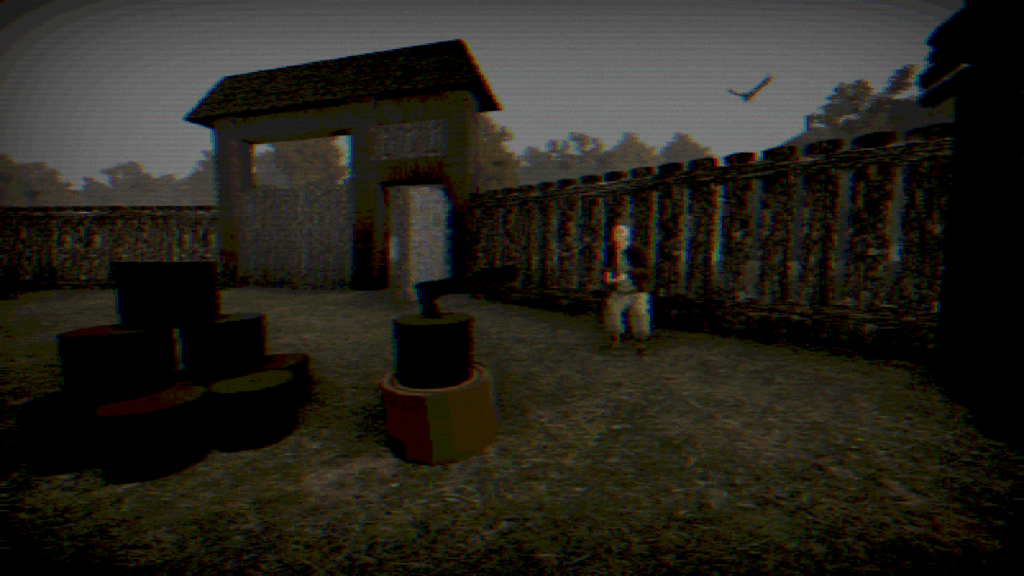
Talking with villagers is less talk and more psychological spelunking. One account will be fact while another contradicts, leaving us questioning the event’s history. This opens the door to multiple story paths, which will help expand the full narrative.
The trust mechanics will put us to the test. Will helping encourage them to open with truth, or will they refuse, and leave us dangling with unanswered questions?
Narrative that Whispers
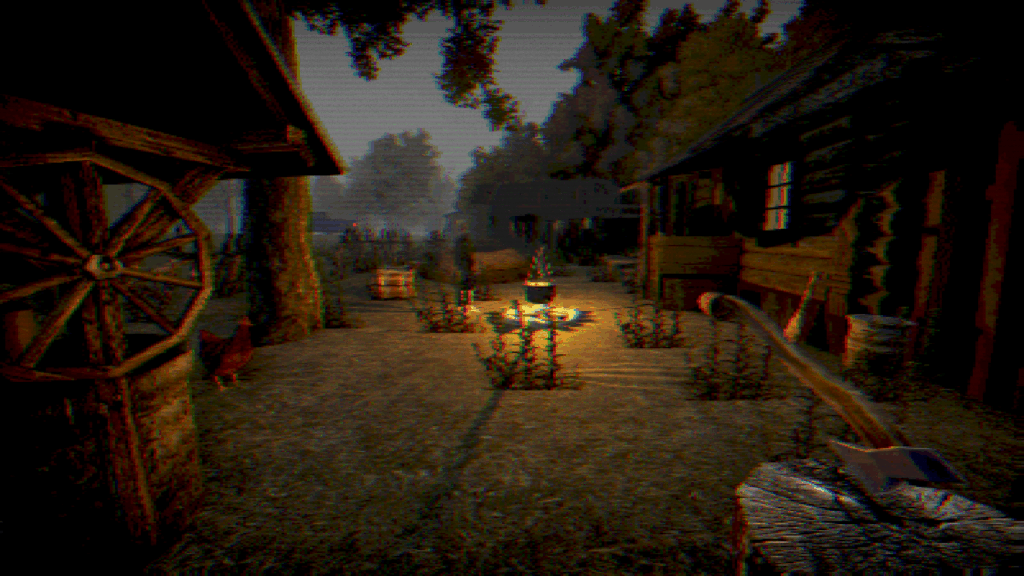
Grief lurks with an ever-oppressive environment. It’s as if aguish and depression lingers in every corner, horror in every echo. The church spire is a tombstone, a lonely and damaged monument to what was lost and can’t come back.
Moloce acts like every journalist with a second chance and a camera aimed at uncovering the truth.
Behind the Murky Horror

Developed by Chainwolf Studio and Otozip, the game presents itself as inspired from true events.
Chainwolf has been around the indie horror scene with a knack for atmosphere-heavy experiments, while Otozip co-develops projects that lean into narrative guts and mechanics.
They are part of the Romanian game dev scene and together went headfirst into one of Romania’s most infamous drowned villages.
What’s refreshing here is their approach. We get an investigative dread, inspired by a devastating event in history, where trust is as fragile as a mud-soaked photograph.
These devs build a unique memorial that just happens to whisper and hiss when you lean in too close and learn more about Geamana.
Systems and Release
According to the Steam page and itch.io, the game is destined for Windows 10 on up, with 4 GB of RAM needed for memory.
Release will likely be winter near the holidays. Steam lists Q4 2025. Think of it as a New Year’s Eve Walk through a toxic lake and dreary remnants. Festive, right?
Closing Thoughts
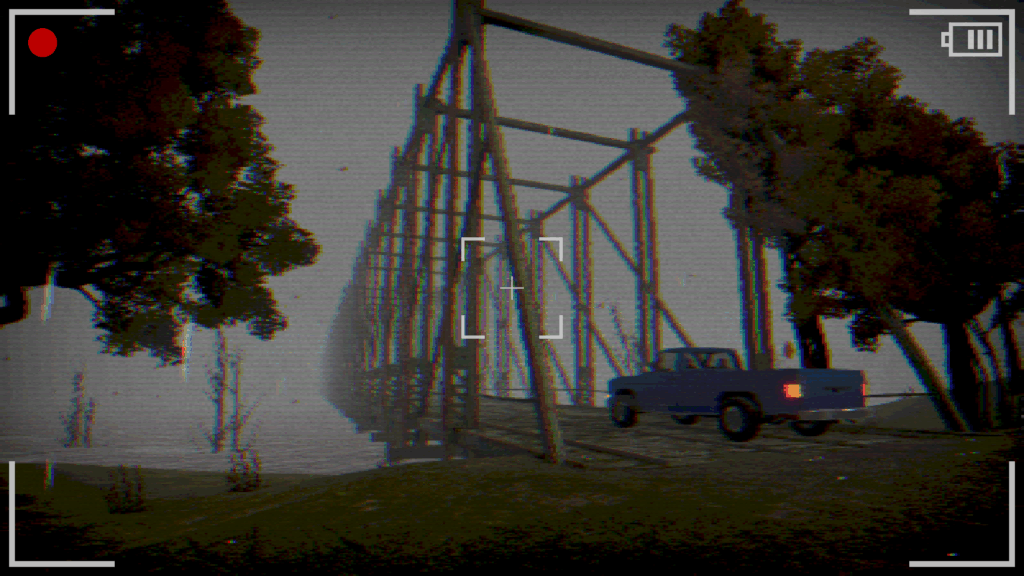
While wading through mist and gloom, truth will be a broken mirror, and each shard fizzes with regret. That’s Geamana Village.
Chainwolf Studio and Otozip offer us a slow, crumbling elegy that will keep us invested. If you’re into haunted memories and history, eerie conversations, and shadows that linger longer than light, mark your Wishlist for this winter 2025.
Be careful that spire doesn’t haunt your dreams.
See how One Rotten Oath tackles horror with realism or how horror games handle realistic horror footage in AFAR.
— Gravenox out

Nero is a writer and lore researcher known for reviewing games on Steam. With years of experience playing horror games, uncovering hidden narrative patterns across indie and AAA titles, and publishing museum catalogs on ancient objects, he blends commentary with psychological horror theory. When he’s not unraveling storylines, he’s enjoying rock music, drawing, working in analytics or obviously playing video games. Check out his latest post to explore the furtive patterns hidden in game lore.