
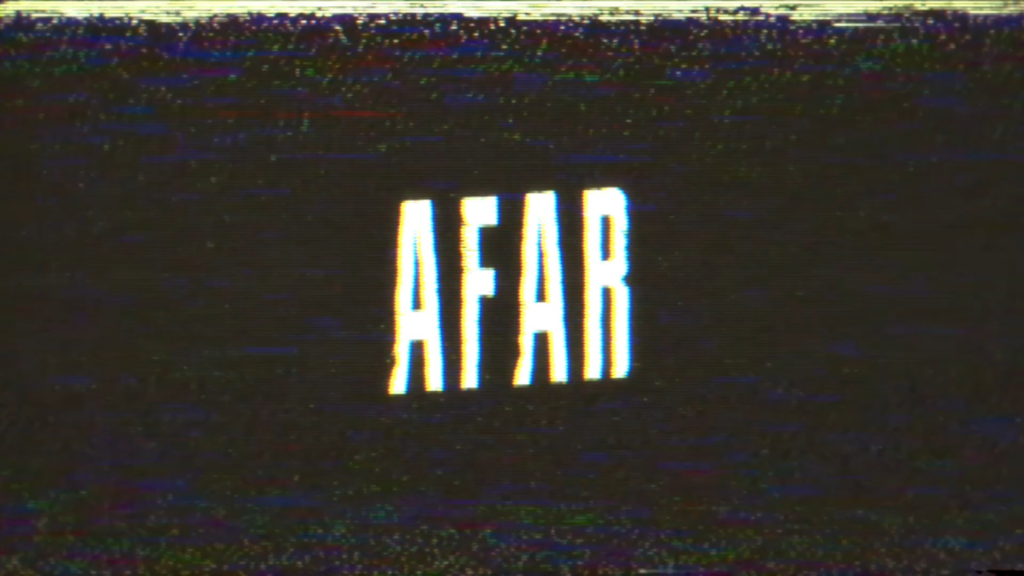

All screenshot from AFAR: An Interactive Horror Film are from my gameplay credited to Jason Trost / Michael Lee
A DIY horror experiment that feels like someone dug up a cursed VHS tape and played it,
QUICK SNAPSHOT
Developer: Jason Trost, Michael Lee
Genre: Interactive Horror, Full motion video (FMV), Choose Your Path
Platform: PC (Steam)
Price: $7.99
Playtime: approx. 30 minutes per run (multiple endings)
Worth Playing?: Yes, especially if you like experimental horror. If not, try it, but at a discount price
KEY TAKEAWAYS
- A playable horror movie built entirely from scratch.
- Branching narrative with several endings.
- Strong VHS era FMV vibe using on spot locations.
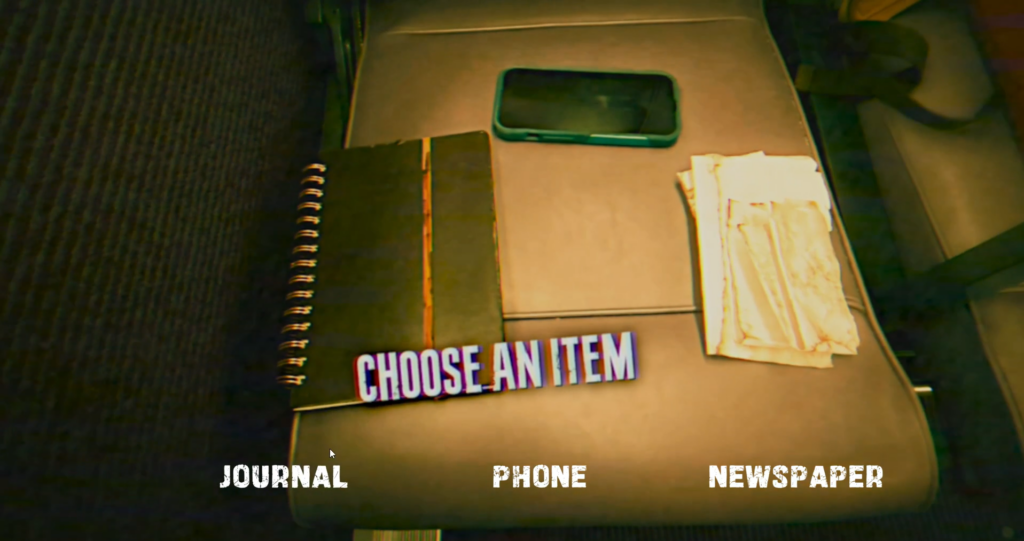
- Point and click mechanic.
FIRST IMPRESSIONS
When you boot up AFAR: An Interactive Horror Film, the first thing that hits is tone.
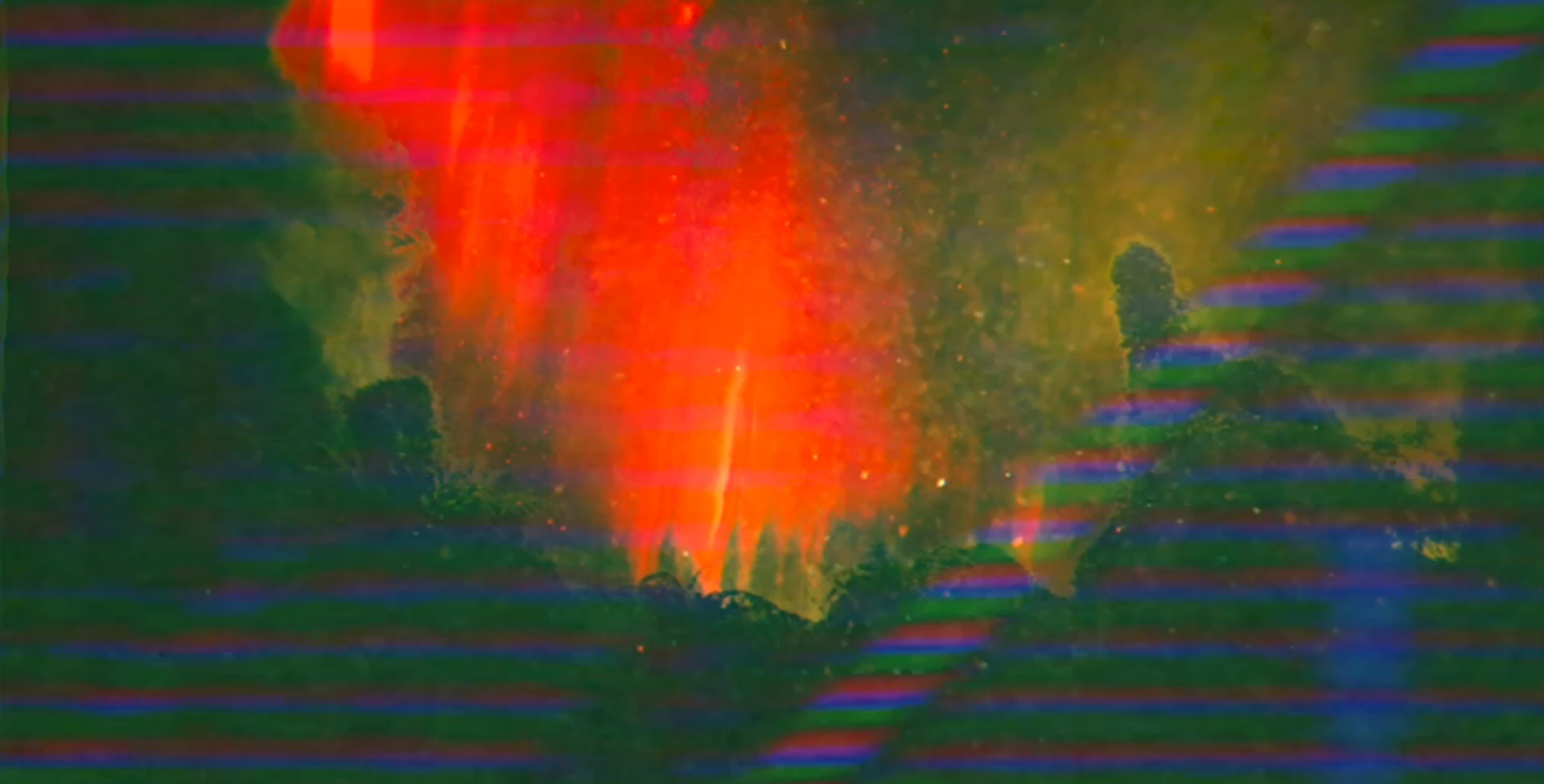
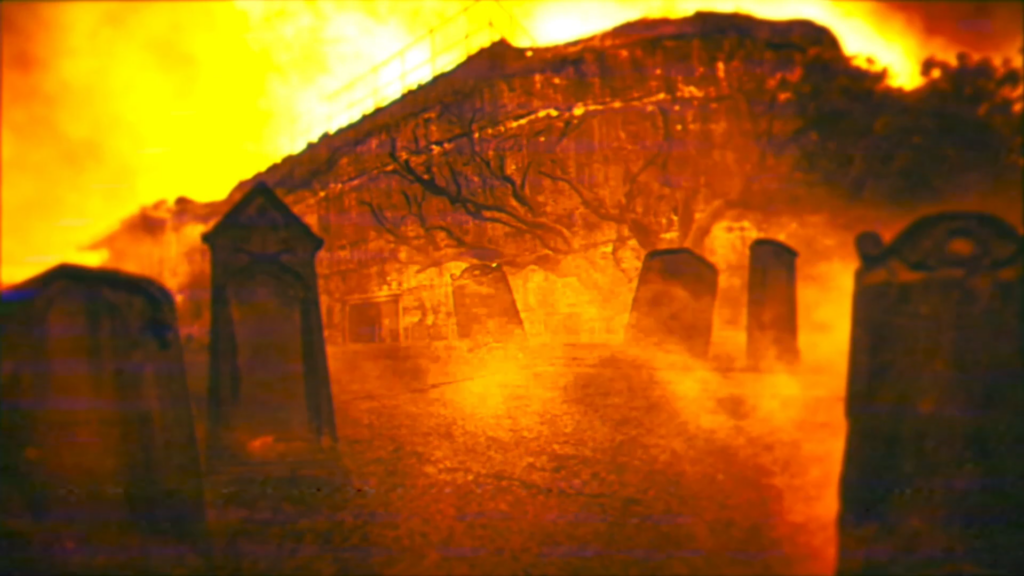
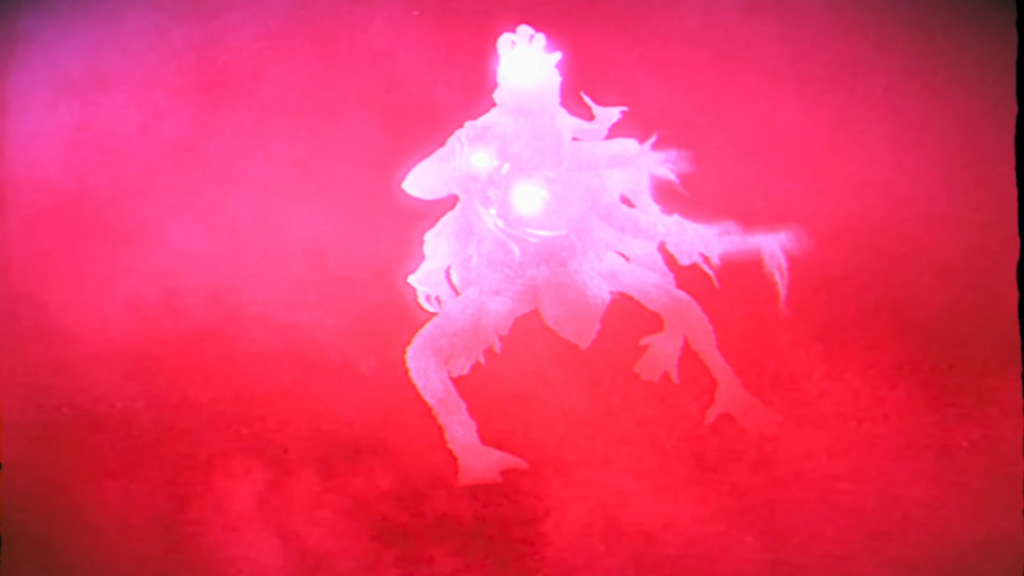
The whole experience feels like something recovered from the late night horror section of a forgotten video store. Grainy visuals, real locations, and practical effects screams that VHS energy.
It immediately told me what kind of ride I was on.
Being a DIY horror experiment from filmmaker Jason Trost, AFAR was built around the idea of playing a movie instead of watching one.
And honestly? That caught my interest.
The game puts you in the role of a private investigator named Brian Everette, who’s searching for contestants who vanished from a popular survival reality show deep in the wilderness of Barlang Valley.
What starts as a missing person case slides into a supernatural whisper of otherworldly entities and government shadiness.
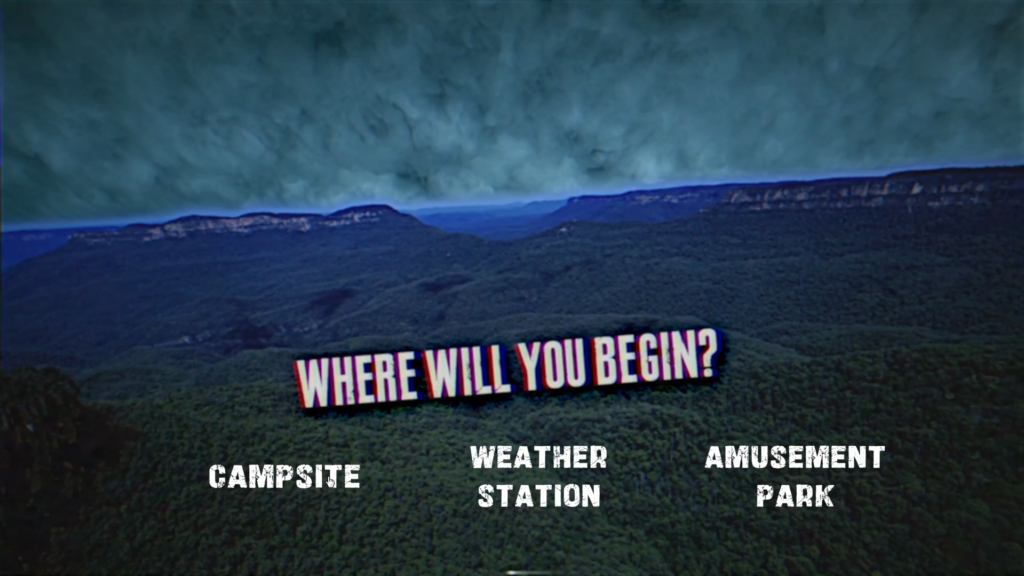
Right away the structure of the game becomes clear as you’re watching scenes, and then you choose what happens next.
Those choices determine who lives, who dies, and how far the story goes and the ending. Also, yes, you can skip parts and go to the end, but you’ll regret that. Trust me on this.
THE GAMEPLAY LOOP
As mentioned, AFAR’s game loop is simple. You watch scenes, make decisions, story branches, and repeat.
This is pure narrative horror. At key moments, the film pauses and gives you options. You decide where to go, whether to investigate something, fight or run. It’s up to you how the story plays out.
But tiny tidbits are given from things you investigate or learn of, so you get an idea of what to do. Don’t worry, these aren’t blaring clues if you were worried about keeping the mystery intact.
The game features 5 different endings, and a lot of fun comes from replaying to see what you missed. Some choices lead to obvious outcomes but others… well, I was surprised my gut instinct kept me alive.
A single run lasts around 30 minutes, but the full experience unfolds across multiple playthroughs as you piece together the bigger mystery.
In practice, the loop could look like this:
- Run 1 = get to final stretch, skip to end, die horribly
- Run 2 = discover new clues, take a new path
- Run 3 = reach a different ending
- Run 4 = uncover hidden lore on the Aurora Australis strange activity
It becomes a kind of horror puzzle where the solution is your decisions.
And because the game is short, replaying never feels like a chore.
THE ATMOSPHERE
Atmosphere is where AFAR earns its keep.
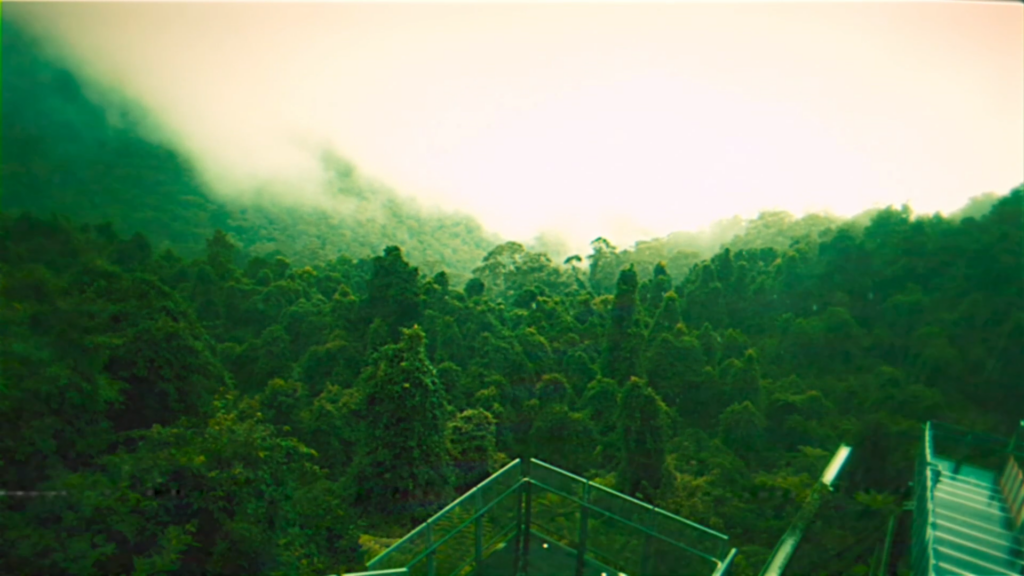
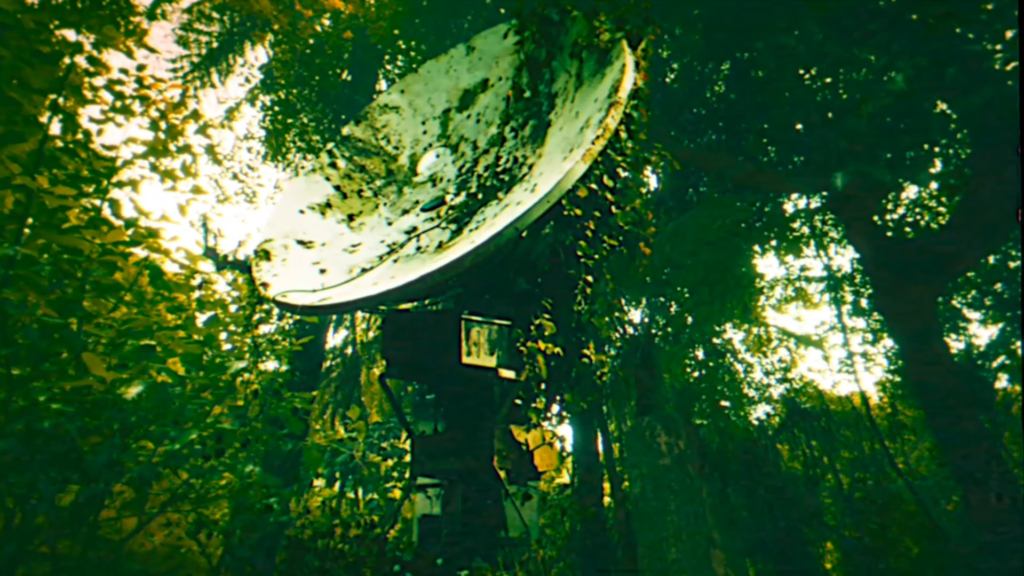
The game was shot in real rainforest locations in Australia, and that authenticity comes through immediately.
With overgrowth over machinery, foggy woods, dark trails, thick tree lines it makes isolation palpable.
The visual style leans heavily into 90s FMV horror inspiration, the same energy that powered classics like Phantasmagoria… wink, wink. The game is like a mix of book, film, and videogame all in one.
Everything feels rough around the edges, which helps the horror.
The world feels unstable, like the film might fall apart at any moment, giving it a unique charm.
SOUND DESIGN
Sound is subtle here. The ambient jungle noise and uneasy silence are prime creepy forest. There is occasional eerie music stings, but they don’t get overused, so it’s not annoying.
The quiet moments do a lot of work in my opinion.
Horror thrives on anticipation, and AFAR understands that. The game lets the atmosphere settle into silence instead of filling every second with sound.
When something finally does happen, it lands harder.
The voice work also deserves a mention. It isn’t the best, but it carries the narrative since the game is essentially a film. The acting helps give it that DIY charm, which holds up well.
WHEN IT CLICKS
There’s a moment early on where AFAR reveals what it’s really doing. You make what seems like a small decision. Then suddenly the story shifts somewhere completely unexpected.
Different runs reveal different pieces of the story. Some scenes never appear unless you make specific choices.
Like choosing the orders over the journal. One choice gives more vital information while the other gives a more person-centric narrative.
That’s when the replay loop clicks.
WHAT DIDN’T WORK
AFAR works best when you approach it as an experiment.
Because if you go in expecting a classical game mechanic, some rough edges show.
Limited interaction
The gameplay is basically point and click decision making. If you want puzzles, exploration, or survival mechanics, you won’t find them here.
Production limitations
The DIY approach gives the game an identity, but it also means some scenes feel uneven.
Branch visibility
Sometimes it isn’t obvious how much your choices matter until later runs.
Best to keep these in mind.
THE ENDING (NO SPOILERS)
Your first ending probably won’t be the real ending on your first run.
AFAR is designed so that the full story only appears after multiple playthroughs. Each ending reveals a different piece of the larger puzzle.
Some endings are grim and some are bizarre or pretty tangible to the overall narrative.
These endings, honestly, fit the tone of the game perfectly.
FINAL THOUGHTS
AFAR, at the end of the day, is doing something different and that is the point of experimentation.
This is a micro-horror experience built around curiosity. It’s short, replayable, and is like like a love letter to VHS FMV horror.
If you enjoy interactive horror movies and experimental indie projects, then AFAR would be up your alley/
Plus, horror thrives on that kind of creativity.
WATCH THE FULL PLAYTHROUGH
Explore the nightmare yourself:
Steam page for AFAR: An Interactive Horror Film
If you enjoy indie horror breakdowns like this, follow Gravenox Horror Gaming, where I explore horror so you don’t have to.
–Gravenox13 out

Nero is a writer and lore researcher known for reviewing games on Steam. With years of experience playing horror games, uncovering hidden narrative patterns across indie and AAA titles, and publishing museum catalogs on ancient objects, he blends commentary with psychological horror theory. When he’s not unraveling storylines, he’s enjoying rock music, drawing, working in analytics or obviously playing video games. Check out his latest post to explore the furtive patterns hidden in game lore.