Skip to content

The Remainer Review: Survival Horror Inside Humanity’s Last Dead Ship

A drifting megaship and horror that makes you read your own body instead of a health bar.

QUICK SNAPSHOT

Developer: 20100
Genre: Adventure, Indie, Survival Horror, RPG
Platform: PC (Steam)
Price: $6.99
Playtime: PC (Windows)
Worth Playing?: If you like heavy exploration sci-fi horror with scavenging, lore hunting, and survival systems, this is worth a look.

KEY TAKEAWAYS

  • A survival horror set inside a massive abandoned spaceship filled with secrets, threats, and resources to be scavenged.
  • There is no traditional health bar, so you read your physical and mental condition through in-game cues like blood drip, fatigue, and so on.
  • Exploration revolves around collecting tools, medication, and documents from the ship’s past.
  • The game mixes survival horror tension with light RPG progression through levels and perks.

FIRST IMPRESSIONS

The premise is clean and effective.

Humanity’s last refuge, a massive spaceship called The Remainer, has lost control of its autopilot system and is drifting toward nearby celestial objects. If no one fixes it, the last home of the human species is going to collide with something big.

So, you move deeper into the ship.

The Remainer is broken into sectors, filled with leftover items, notes, and traces of the people who used to live there.

That setup does two things immediately.

First, it gives the game a clear mission. We must reach the deeper systems and stop the disaster by first accessing the emergency controls.

Second, it frames the ship as a place with history. A place where we slowly uncover what actually happened to humanity along the way.

That combination works well for horror, as we’re digging through the remains of something that already failed.

THE GAMEPLAY LOOP

The core loop revolves around exploration, survival, scavenging, and save.

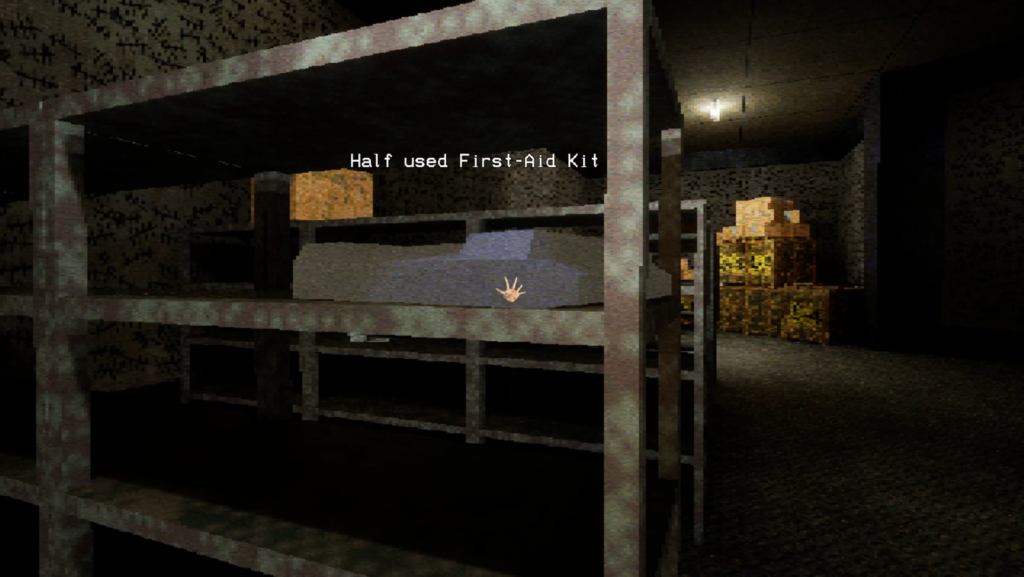
You move through different sectors of the ship, searching rooms and maze-like corridors for useful items, such as:

  • documents
  • notes
  • tools
  • medication

These act as survival resources and pieces of lore. The Remainer also introduces a survival system that avoids the typical HUD approach.

There’s no visible health bar.

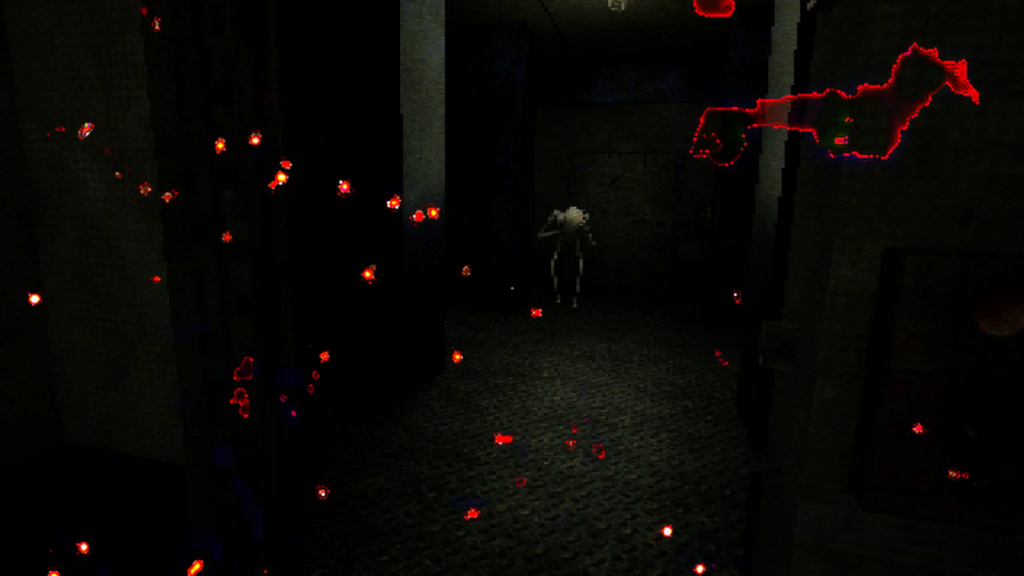
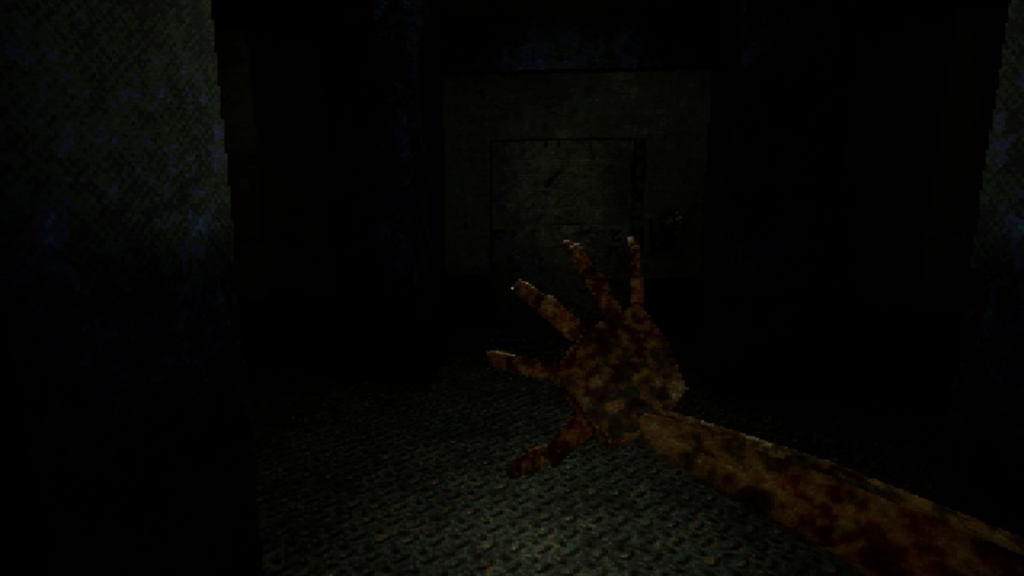
Instead, we must inspect our arm and interpret corporeal cues to understand our condition. We could hear blood drips that signal bleeding, slow movement, blurred vision, or hallucinations.

These signs tell us if we’re injured, deteriorating, or mentally unstable.

It’s a subtle mechanic, but it changes the way information is delivered, always requiring condition management and alertness of our surroundings.

So, pay attention to our character’s body. And remember to return to med area to save and level up.

Enemies are described as horrors created through something called Oblation (a deity like entity), each with their own abilities. Learning how to deal with those threats is part of the survival process.

On top of that, the game includes a progression system. By surviving encounters and advancing through sectors, you gain experience that allows you to level up and unlock perks.

Basically, the structure, not in this order, s this: Explore + scavenge + survive threats + uncover lore + progress deeper into the ship + run back the med bay + store items + save.
THE ATMOSPHERE

The Remainer leans heavily into sci-fi cosmic dread.

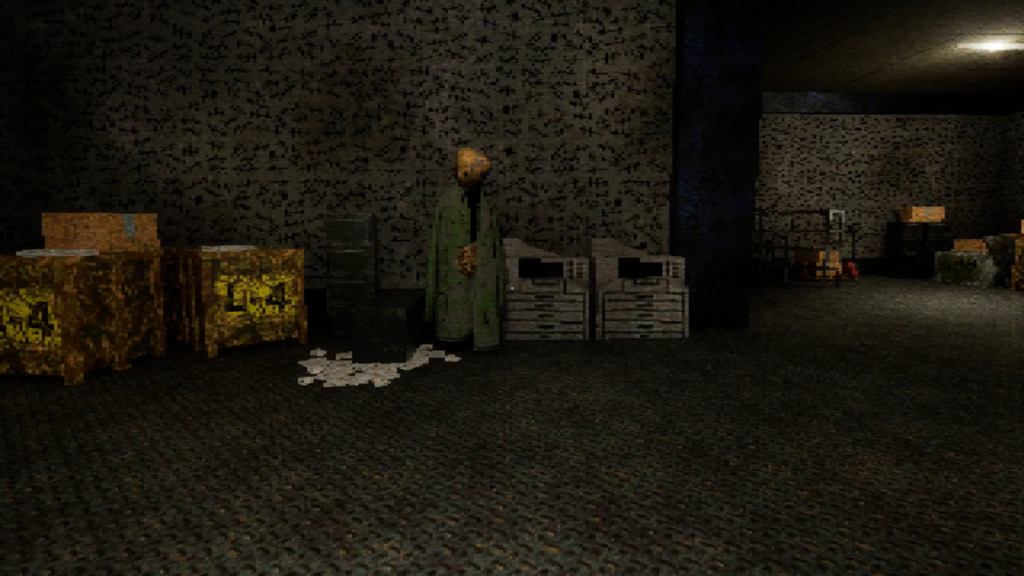
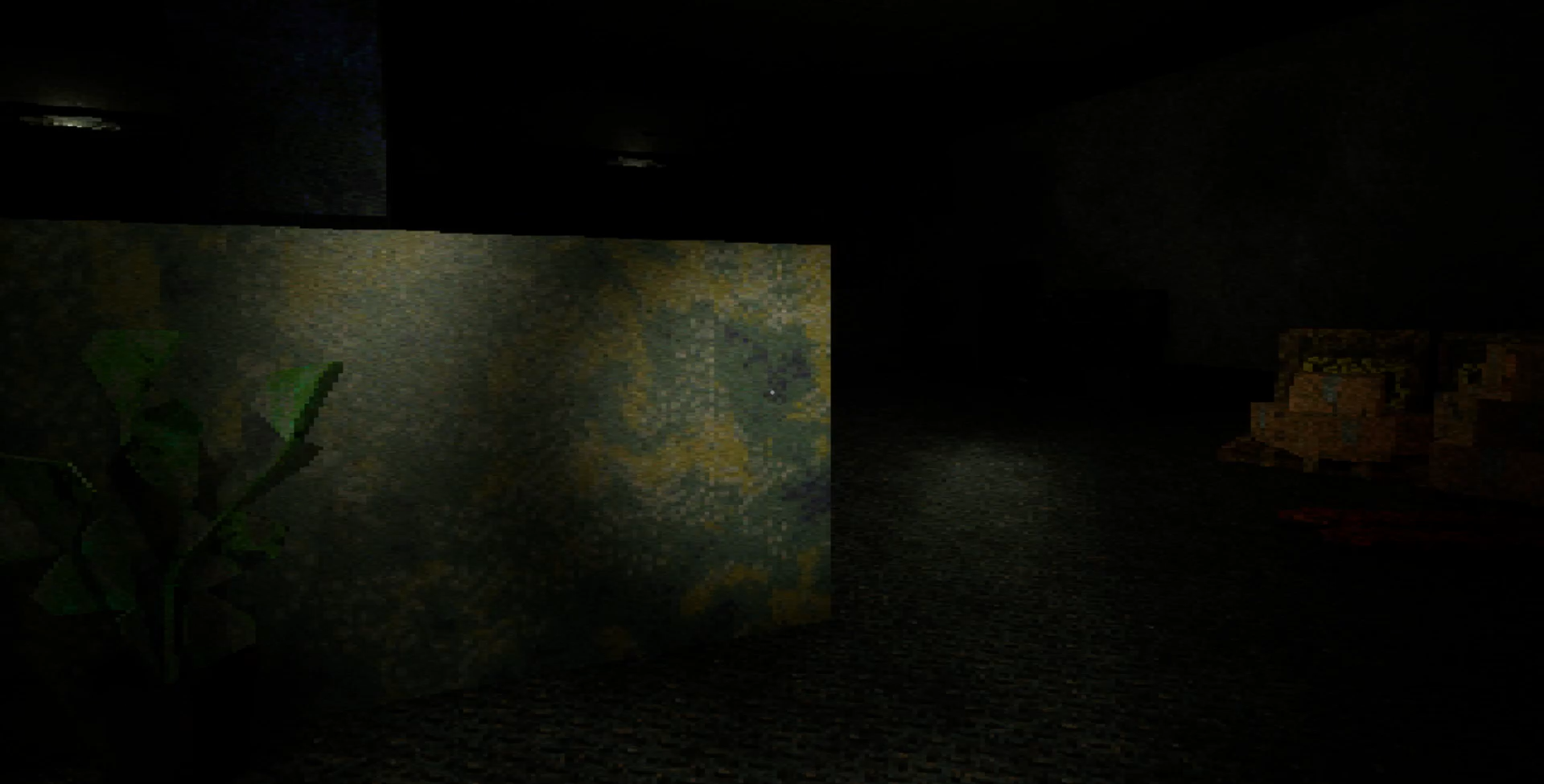
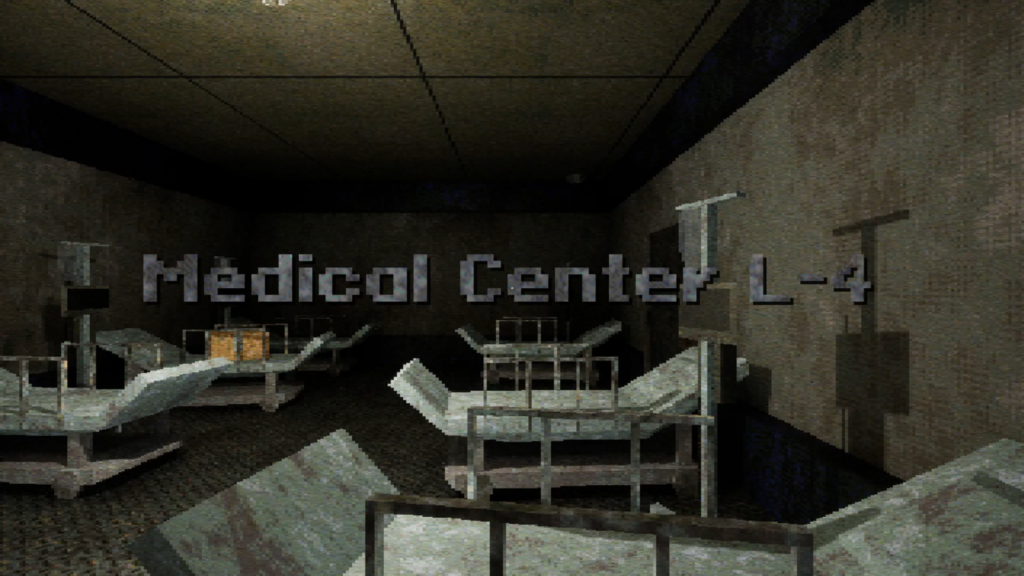
The setting itself does most of the work. Having a futuristic, post-apocalyptic design, inside a giant abandoned spaceship, already carries a certain type of tension.

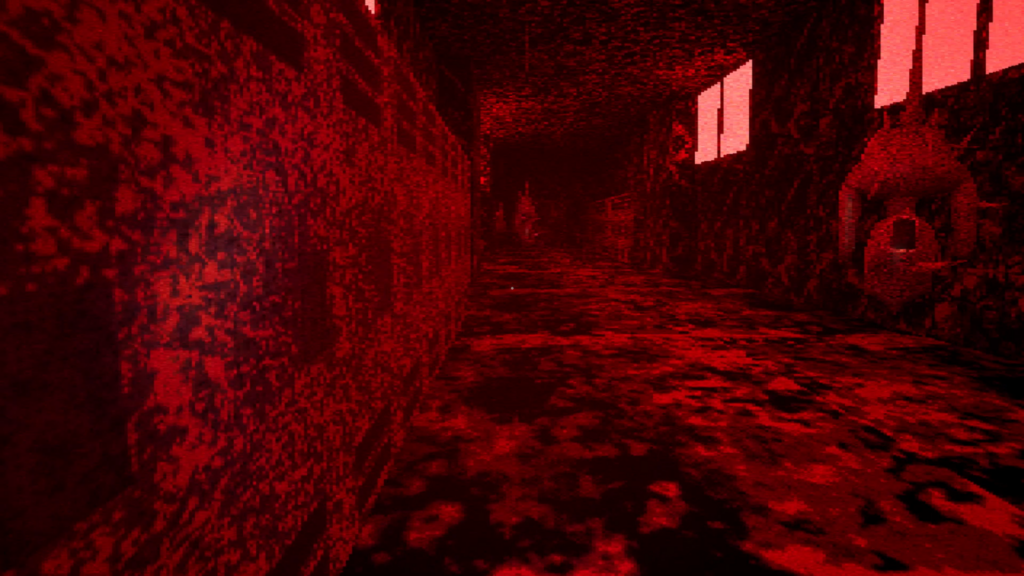
Long corridors, empty living spaces and offices, and systems that once supported a civilization now barely function.

Visually, the game uses 3D and pixel graphics, which often work well for horror when paired with strong lighting and environmental design.

In this case the ship becomes the main character of the atmosphere. A huge machine filled with remnants of a lost population screams Lovecraftian themes – if you read The Temple, you know, you know.

SOUND DESIGN

The dev confirms full English audio support, suggesting that spoken dialogue or narration plays a role in delivering the story.

Sound here plays a big role in being cues to your condition and a deliberate toll used to disorient and elicit apprehension in us while playing.

Loud creature sounds and environmental audio help telegraph danger. In survival horror, that kind of sound matters.

In essence, sound becomes a warning system.

When the environment is mostly quiet, any noise carries weight. Footsteps, metallic scraping, clanking doors, moving chains, or distant screams can signal that something is approaching before we even see it.

Inside a colossal, meandering isolated space, those cues can make exploration far more anxiety inducing.

WHEN IT CLICKS

The system that likely shifts our behavior the most is the no-health-bar mechanic.

Once you realize the game expects you to read your condition through examining our hand instead of relying on a UI meter, you start paying closer attention to small cues.

We check our hands and then interpret our affliction. We listen for our heart rate and listen for bleeding. Plus, if we run, there is a stamina limit.

Adjusting our behavior based on these cues changes how we process danger.

The fact these small mechanics can stack up while mid chase, and having limited resources in an unknown place, really cements the true horror of survival. It sure made me anxious of every new sound.

WHAT DIDN’T WORK

The Steam page leaves some details vague, including expected playtime and the full scale of the campaign. From my estimate, it seems the game is over an hour.

Community discussion threads suggest some gamers have encountered bugs or launch issues, and those have been fixed from the dev responses.

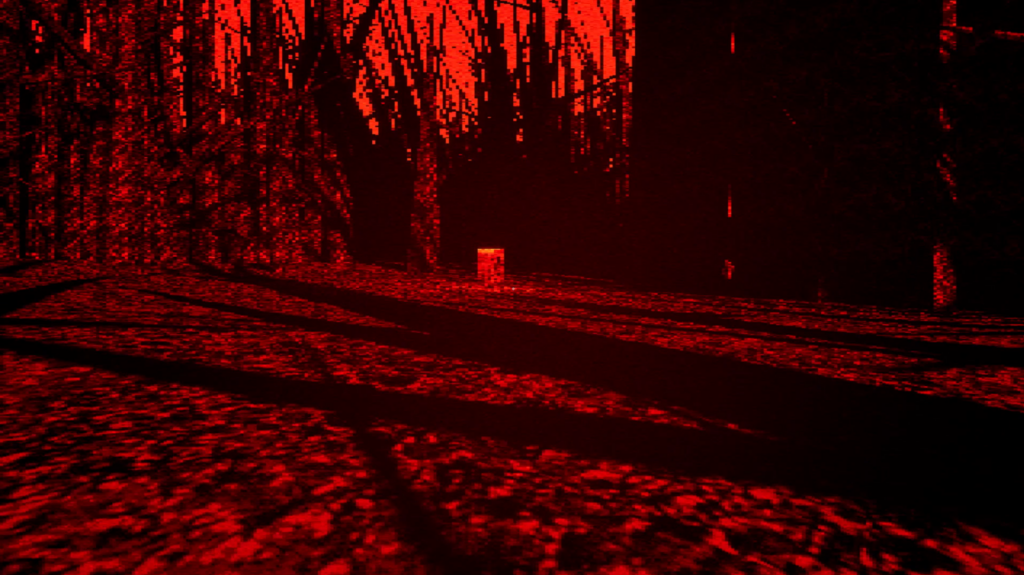
As far as in-game, the game does offer hints on what killed you once you traverse the Spider’s Den. However, it might be just me, but I can’t figure why I died.

One example that happen a couple times was I died in the Spider’s Den and the hint said to “keep moving,” but I was moving when I got killed.

The Spider’s Den itself is meant to be confusing, which I liked, but few deaths can get vague sometimes given the scenario.

THE ENDING (NO SPOILERS)

The Remainer clearly positions its story around uncovering the truth behind the ship and the Oblation.

Exploring the deeper sectors and uncovering passwords for the med sector computer are the building blocks to the story.

The focus seems less about a single twist ending and more about slowly uncovering the ship’s history.

FINAL THOUGHTS

The Remainer presents a strong survival horror premise with a mechanical hook of reading your health through physical cues. It gives the game a unique survival angle.

Pair that with exploration, scavenging, and sector progression, and you get a structure that rewards careful play instead of rushing forward recklessly.

The game rewards strategic thinking and navigation as well as survival instincts. So, if you like survival horror with Lovecraftian, sci-fi survival, you’d enjoy exploring The Remainer.

You’ll soon find the ship is practically dead, but something inside it clearly isn’t.

WATCH THE FULL PLAYTHROUGH

Watch the full my playthrough and check out the game yourself through the link below.

Steam page: The Remainer

If you enjoy indie horror coverage like this, follow Gravenox Horror Gaming for more deep dives into experimental and under-the-radar horror projects.

–Gravenox13 out.