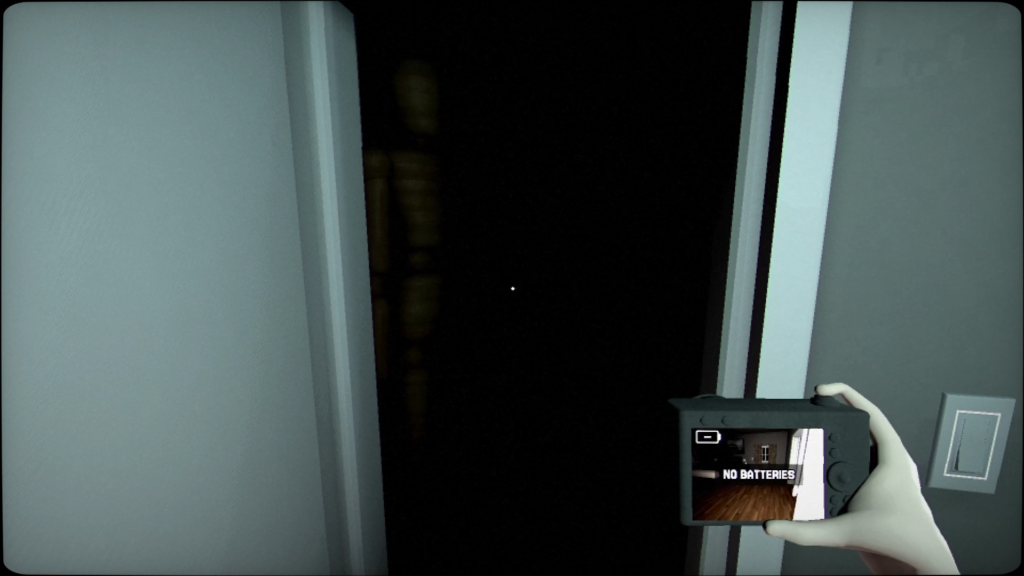

Instead of being chased the whole time, you’re being watched, and the room itself might be lying to you
QUICK SNAPSHOT
Developer: MuxGames
Genre: Survival Horror / Psychological Horror / 3D / Retro
Platform: PC (Windows)
Demo Length: Approx.10 to 20 minutes (short, replayable loop)
Demo Available: Yes (Steam & itch.io)
Wishlist: Yes, it has a strong core idea with room to scale
KEY TAKEAWAYS
- The core mechanic is spotting mimics disguised as furniture, it’s simple but effective
- Camera flash acts as both vision and defense, forcing timing and resource management
- Tension comes from doubt, so you’re second guessing everything in the room are hallucinating
- Strong demo concept that shows potential, but needs deeper escalation
FIRST IMPRESSIONS
Going in, I expected something closer to a standard “spot the anomaly” loop, maybe a little tense, maybe a few cheap scares layered on top.
Mimania slows everything down and makes you question your judgment. This involves scanning sure, but it pushes you to revisit rooms while monitoring your safety, re-checking objects you just looked at.
The moment that stood out early to me was realizing I couldn’t trust what I was seeing. Sometimes I thought something moved when it didn’t, which can penalize you.
Without multiple things in one area, I thought a certain cutlery moved. A room felt safe until I had to double back through it while being stalked.
That shift from “exploring” to “verifying” to “worrying” is where the demo starts working.
THE GAMEPLAY LOOP
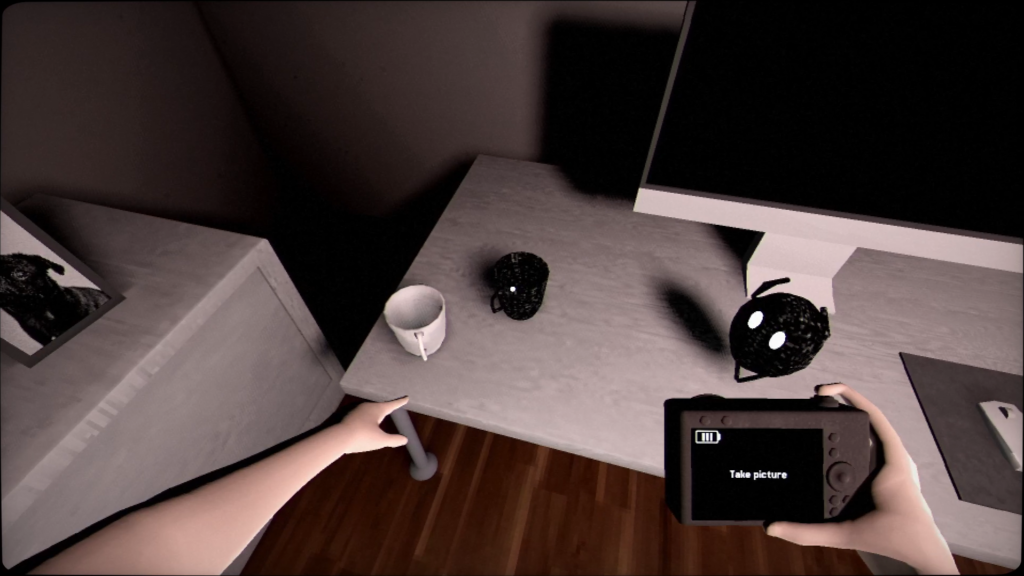
You move through a small apartment space, searching for mimics, which are pretty much objects that aren’t what they seem.
At first, it’s straightforward:
- Scan the room
- Look for inconsistencies (breathing, odd looking, moving)
- Identify mimics
But the loop layers in pressure:
- There’s a larger threat moving through the rooms
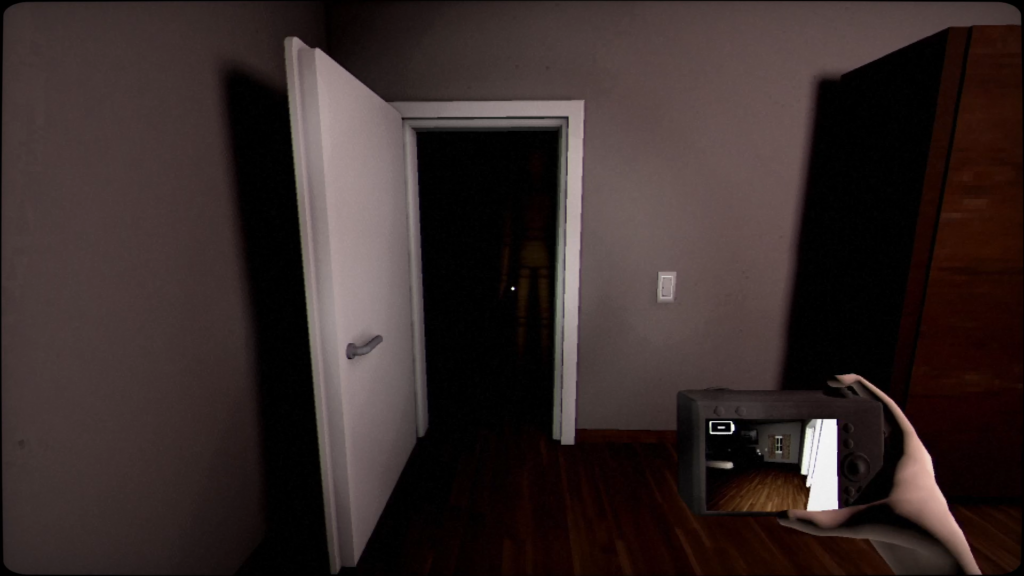
- Your camera flash is your only reliable tool and that’s limited
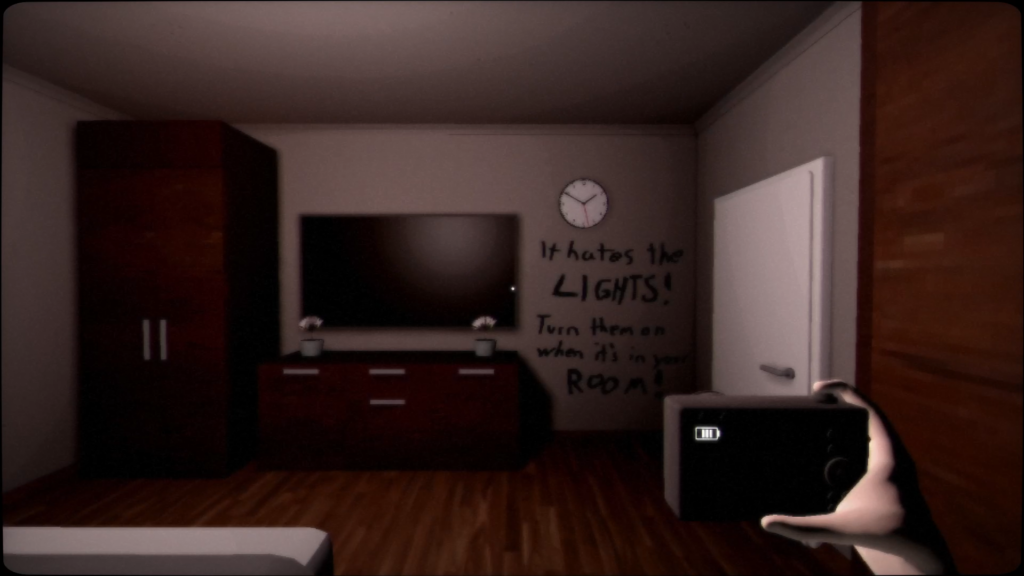
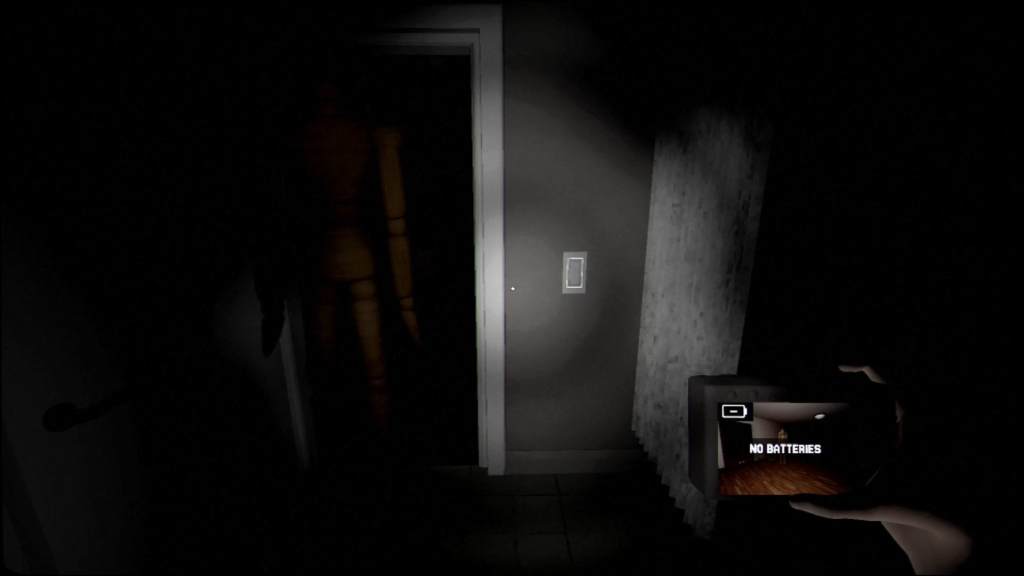
- Otherwise, you find those light switches fast and strategize to not get cornered
- Flash = visibility + defense
So now every action becomes a decision:
- Do I flash to confirm what I’m seeing?
- Do I save it in case something’s already near me?
This goes from anomaly spotting to managing risk and progress while doing investigating.
THE ATMOSPHERE
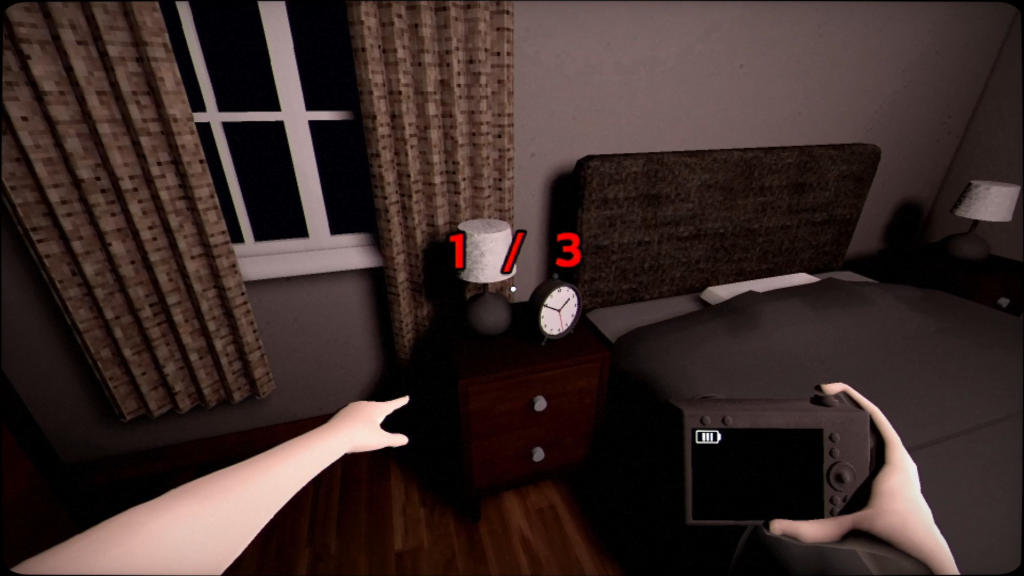
The setting is a tight, handmade apartment space with nothing overly complex, but it doesn’t need to be.
What works here is familiarity. It’s a normal environment of furniture, walls, corners you’ve seen before in other games, which makes the mimic concept hit harder.
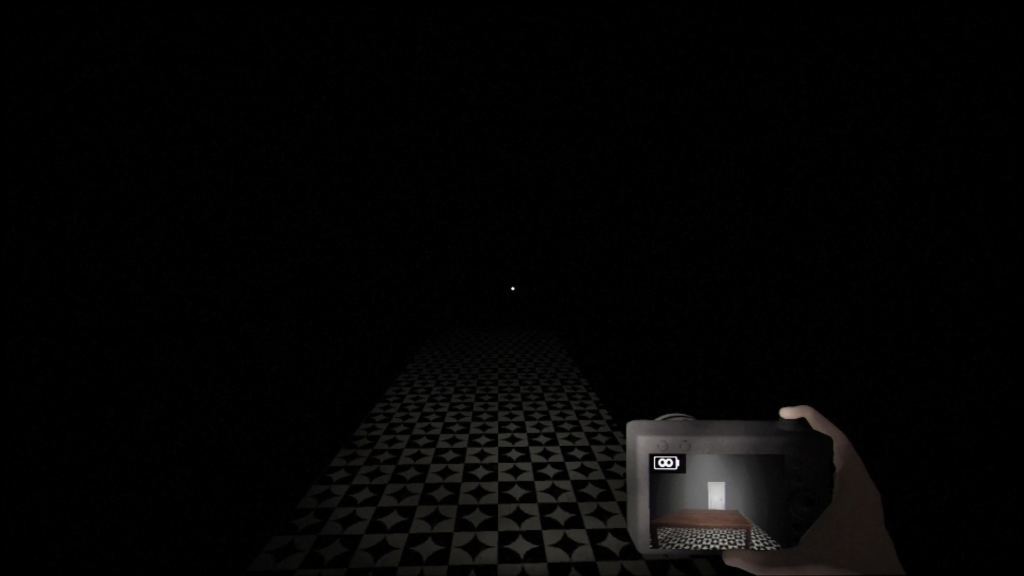
Lighting is controlled and scarce. You’re not given full clarity, so your brain fills in gaps when things go dark suddenly. That’s where the tension comes from.
Visuals are intentionally contained to where sound becomes the go to sense. That restraint helps the mechanic stand out.
SOUND DESIGN
Sound stays minimal, which works in this game’s favor.
We aren’t bombarded by constant noise, which pushes tension artificially. Instead, we are left with scarce soundscape and silence, making us more aware of movement/
So, when something does happen, it stands out.
The demo keeps the focus on visual uncertainty and timing your flash correctly. Basically, we react to what we think we saw and the movement vibrating closer.
WHEN IT CLICKS
This is simple, the unsettlement clicks the moment you stop trusting your first glance.
Early on, as I walked into a room, scanned it once, and moved on. Standard behavior.
Then I came back through that same space and hesitated. I doubted if I was really seeing things right, let alone if the stalking presence was in there too.
This makes is feel off and apprehensive.
From there you will start moving slower with more alertness. You’re checking angles and re-evaluating objects you already cleared.
Once that happens, the game has control over your pace.
It’s worth noting that once you die, (i.e., perma-death), the mimics aren’t always in the same place. There is no set sequence. Sometimes they are mostly in one space, other times they are scattered everywhere.
WHAT DIDN’T WORK
- The demo ends before the mechanic fully evolves, as you see the idea, but not its full depth
- Limited environment means navigation patterns can become predictable with repeated runs
- The larger threat could use clearer escalation or variation to maintain pressure like waiting in a room sometimes
DEMO VERDICT
Mimania is trying to unsettle you through doubt, and it works.
And it mostly works because the mimic concept has depth. It plays on familiarity instead of chaos. You’re questioning things that should be safe.
Right now, it’s a solid foundation:
- The core loop works
- The tension builds naturally
- Each run has variation on where to find the mimics and what the mimics are copying
- The mechanic has room to expand across multiple environments
Who is this for?
Players who like slower, observation based horror, where tension comes from thinking.
Does it overstay its welcome?
No, if anything, it ends before it fully stretches out its systems.
Does it linger?
Yeah, because of how it makes you second guess what you didn’t notice, which is good for horror.
WATCH THE FULL PLAYTHROUGH
Steam Link: https://store.steampowered.com/app/4528310/Mimania_Demo/
If this concept clicks for you, wishlist it. This is the kind of mechanic that gets stronger with scale.
Also, if you enjoy indie horror breakdowns like this, follow Gravenox Horror Gaming, and trust me to explore horror so you don’t have to.

Nero is a writer and lore researcher known for reviewing games on Steam. With years of experience playing horror games, uncovering hidden narrative patterns across indie and AAA titles, and publishing museum catalogs on ancient objects, he blends commentary with psychological horror theory. When he’s not unraveling storylines, he’s enjoying rock music, drawing, working in analytics or obviously playing video games. Check out his latest post to explore the furtive patterns hidden in game lore.