It builds a routine, lets you trust it… then quietly starts breaking it.
QUICK SNAPSHOT
Developer: Crowfriend
Genre: Psychological Horror / Job Simulator
Platform: PC (Steam)
Demo Length: approx. 20–30 minutes
Demo Available: Yes
Wishlist: Recommended if you like slow burn tension
KEY TAKEAWAYS
- Tension comes from routine > disruption, not constant scares
- Simple task loop that becomes uncomfortable over time
- Strong use of spatial pressure and presence
- “Cozy horror” tone keeps things grounded while tension builds
- Knows when to hold back instead of overloading the player
FIRST IMPRESSIONS
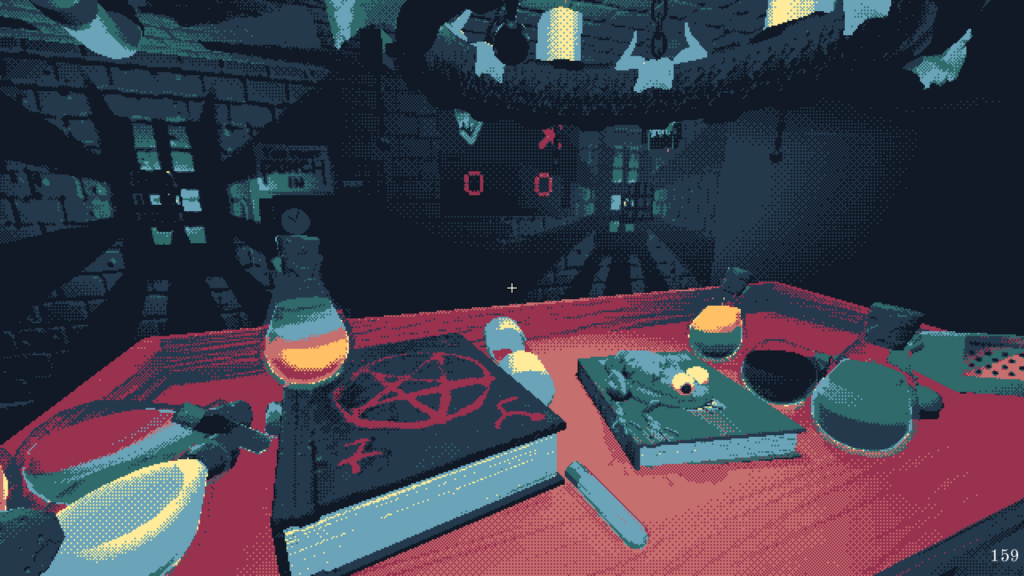
Going in, The Mailroom Demo looks simple, almost too simple. You’re working a shift, sorting mail, then following instructions.
It feels like a low-stakes sim with a horror theme layered on top. What stands out quickly is how deliberate the pacing is.
The game lets you learn the job and understand the space. You get comfortable moving between tasks without thinking about them.
That comfort is intentional.
Because once it starts shifting, it feels like something interfering with a system you just learned.
THE GAMEPLAY LOOP


The loop is straightforward:
- Clock in
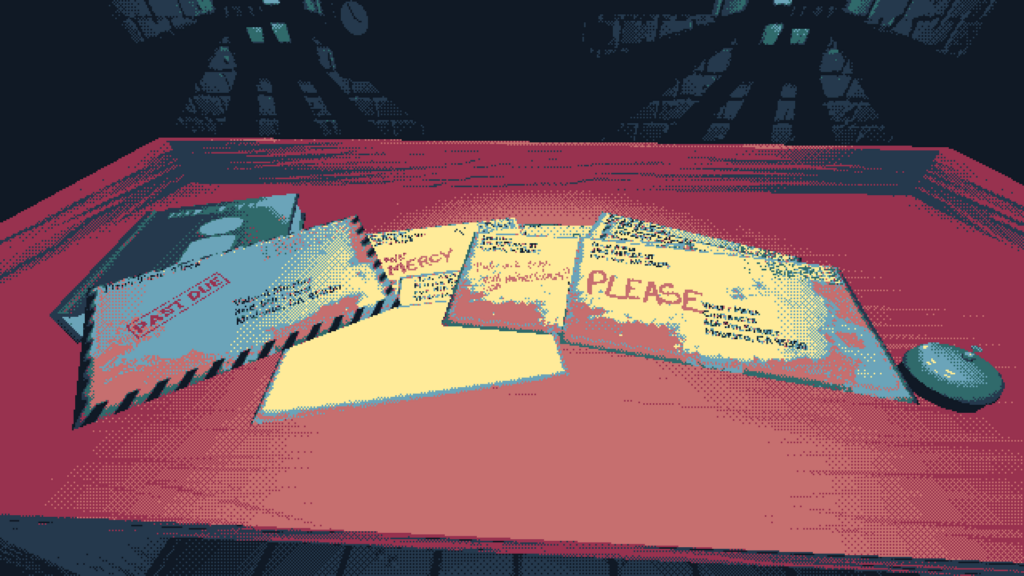
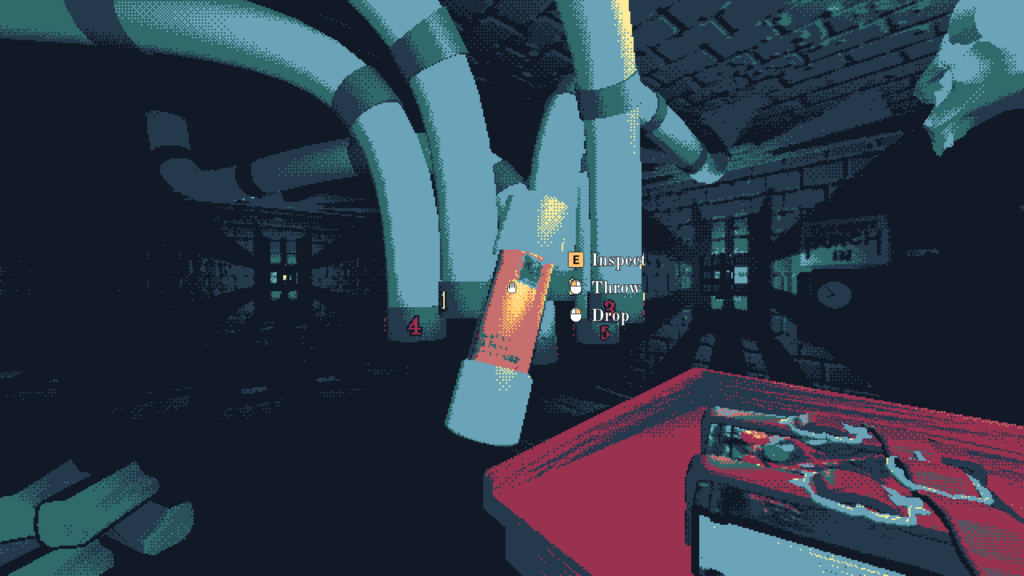
- Receive mail
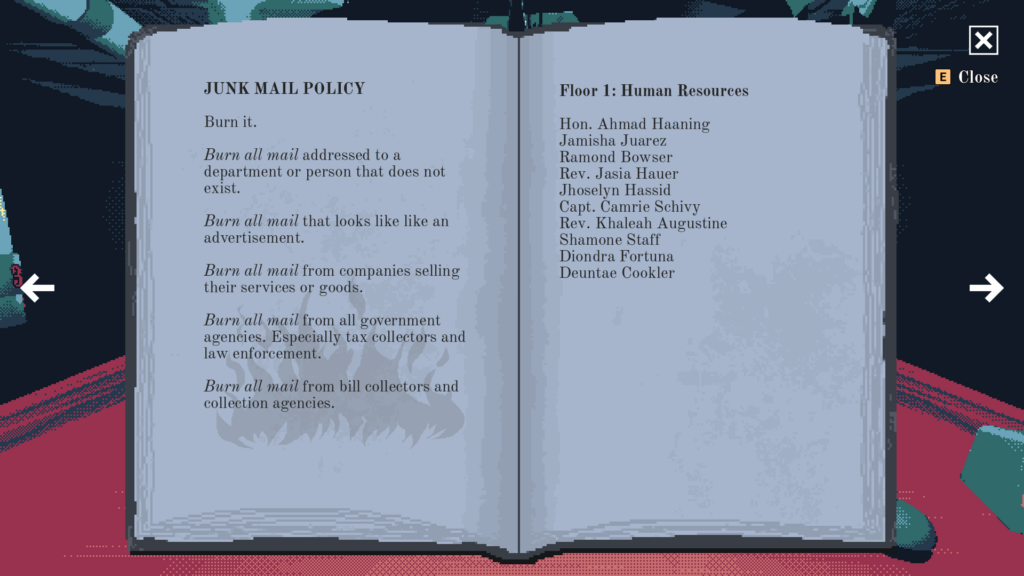
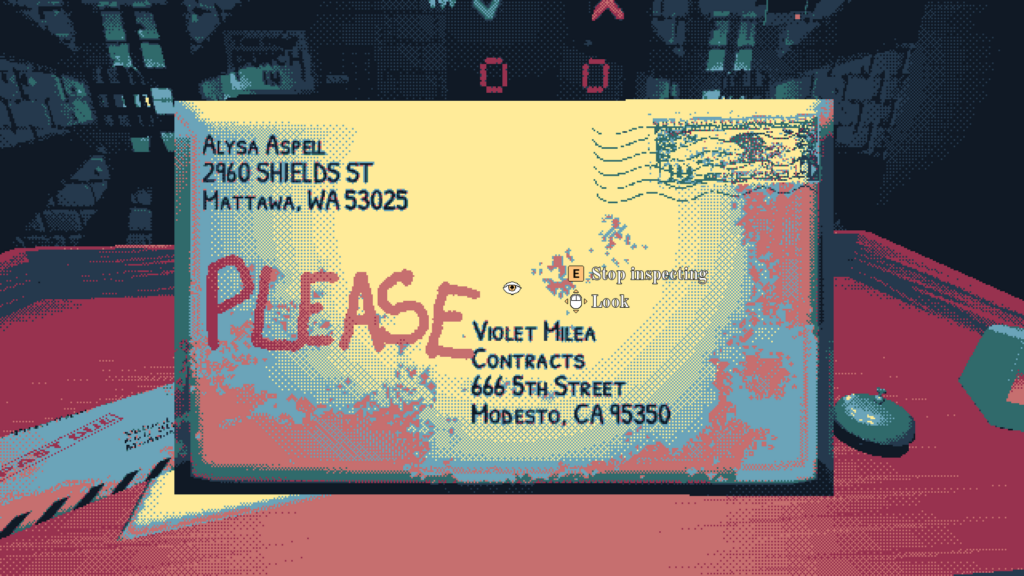
- Read “From” and “To” addresses
- Route or process items
- Repeat
There’s nothing complex about it, and that simplicity is what makes it work.
You fall into rhythm fast, stop questioning the process, and begin trusting that each task follows the same logic.
Then the game introduces small changes. You see a piece of mail doesn’t follow the same format, instructions shift slightly from the mundane, or something appears where it shouldn’t.
It never fully breaks the loop. It just disrupts it enough to make you hesitate.
One of the strongest moments is when a postcard replaces written instructions with images. It’s a small change, but it forces you to slow down and interpret instead of reacting.
You’re thinking about the job again and engaging curiously.
THE ATMOSPHERE
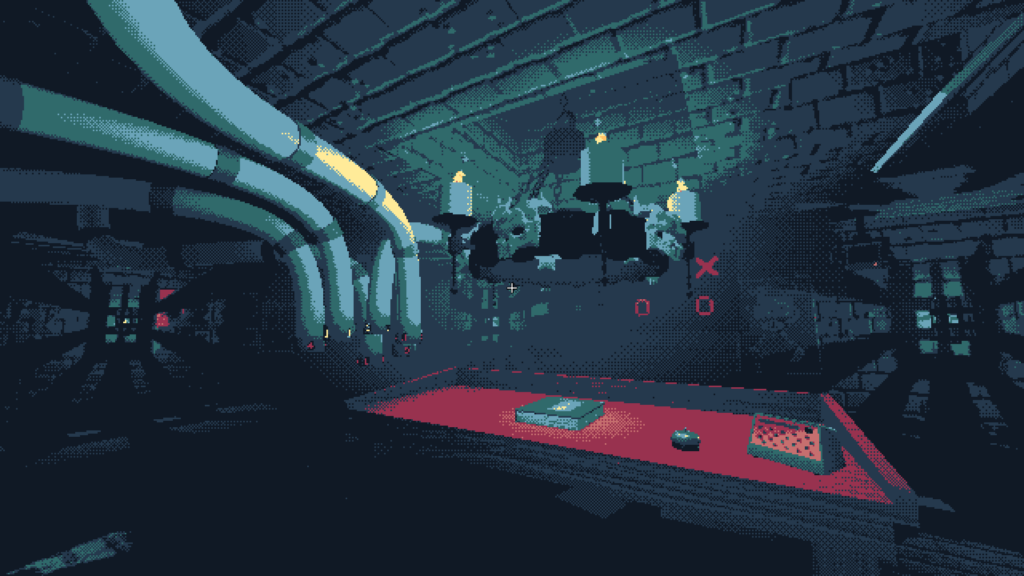
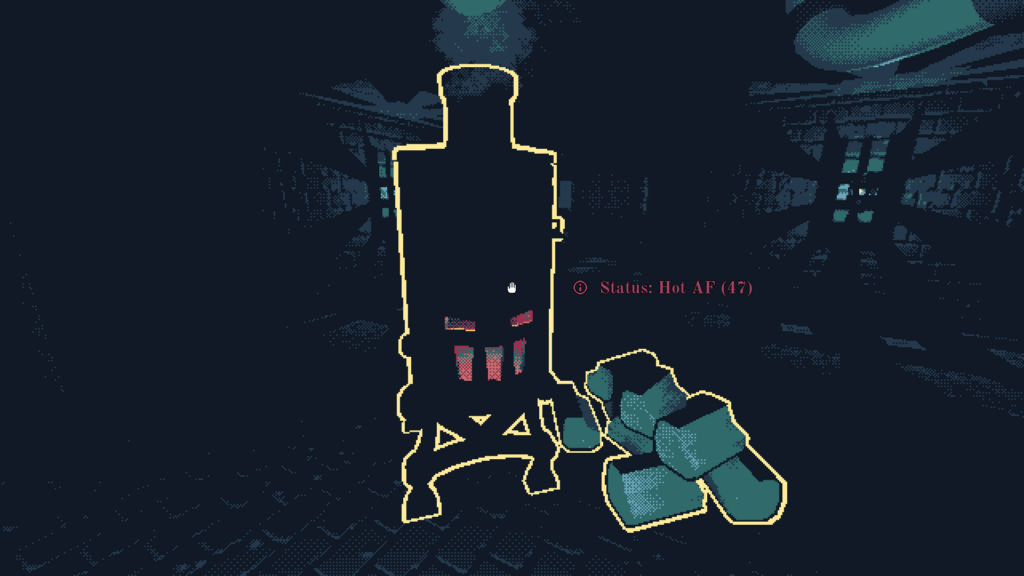
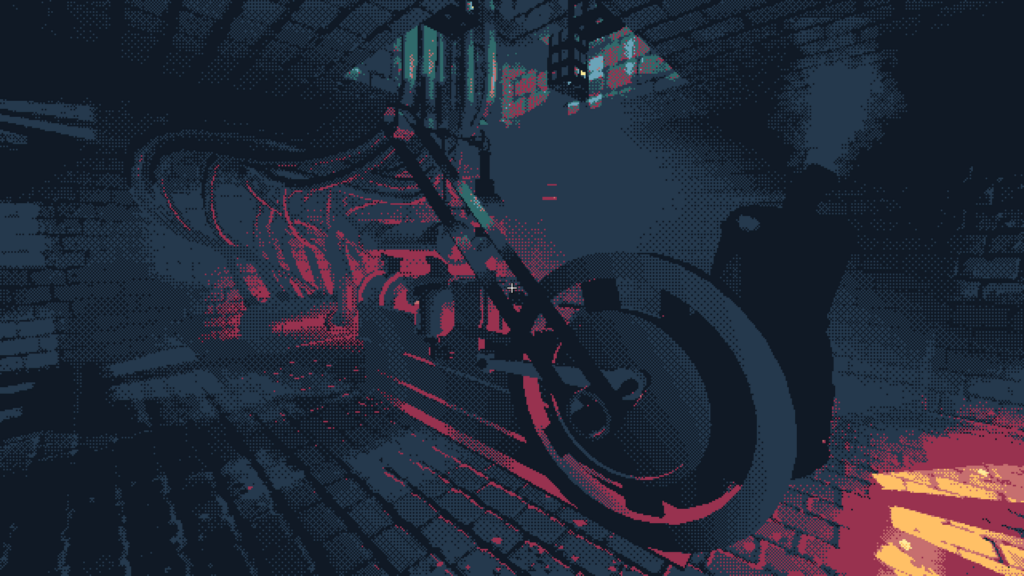
The environment is minimal, but intentional.
You’re in a confined workspace that feels functional and predictable. Nothing stands out early on.
That’s important because when something changes, it feels deliberate.
The space becomes familiar fast, so you move through it without thinking. It starts to feel safe until the game introduces presence.
A character appears without buildup. They stand closer than expected or just linger.
One moment stands out: calling your assistant and having them lean in too close. This is enough to break the comfort the game built.
SOUND DESIGN
Audio stays controlled for most of the demo.
It reinforces the routine:
- ambient hum
- quiet mechanical feedback
- subtle environmental noise
The game uses sound effectively to indicate or act as a signal.
During the bathroom sequence tied to the postcard task, the lights flicker, and the audio changes just enough to make you pause.
When you turn, there’s a presence in the room beyond the doorway.
It disappears as you approach, making you question, “What the hell was that?”
DEV FACTOR
That framing lines up almost perfectly with how the demo actually plays. You’re given a job, a system, and a repeatable routine.
And the game sticks to that job sim structure even when things get bizarre, which it uses to its advantage.
The “find a way out” angle isn’t fully explored in the demo yet, but the foundation is there. Once the first odd thing happens, you start to question where you are and what the system is doing.
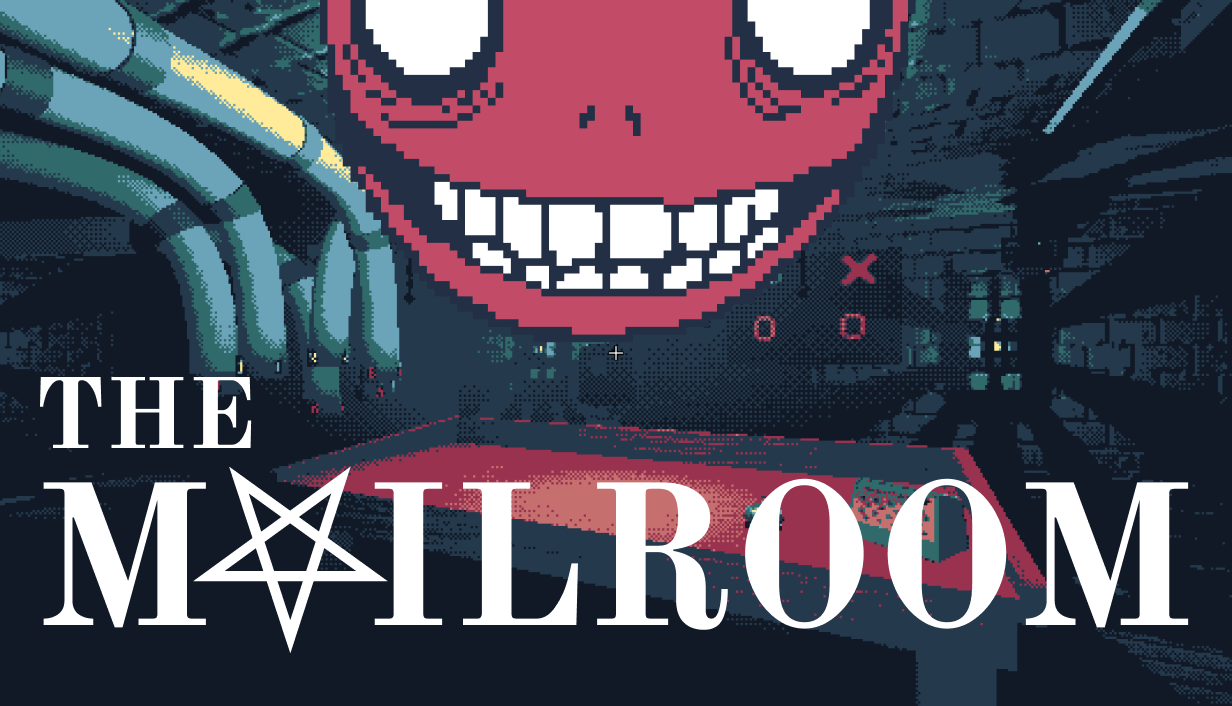
Also worth noting that the game’s setting is described as a “cozy horror job simulator” set in a small regional office of Hell.
That tone shows up in the demo and makes it feel controlled but casual, which makes the shifts in tone land harder.
WHEN IT CLICKS
The demo clicks when you realize the structure. It trains you to trust the routine, then starts interfering with it. At first, you’re just working:
- Then you notice inconsistencies.
- Then you start expecting something to be wrong.
That shift changes how you play. You hesitate more, pay attention to small details, and soon stop treating tasks as automatic.
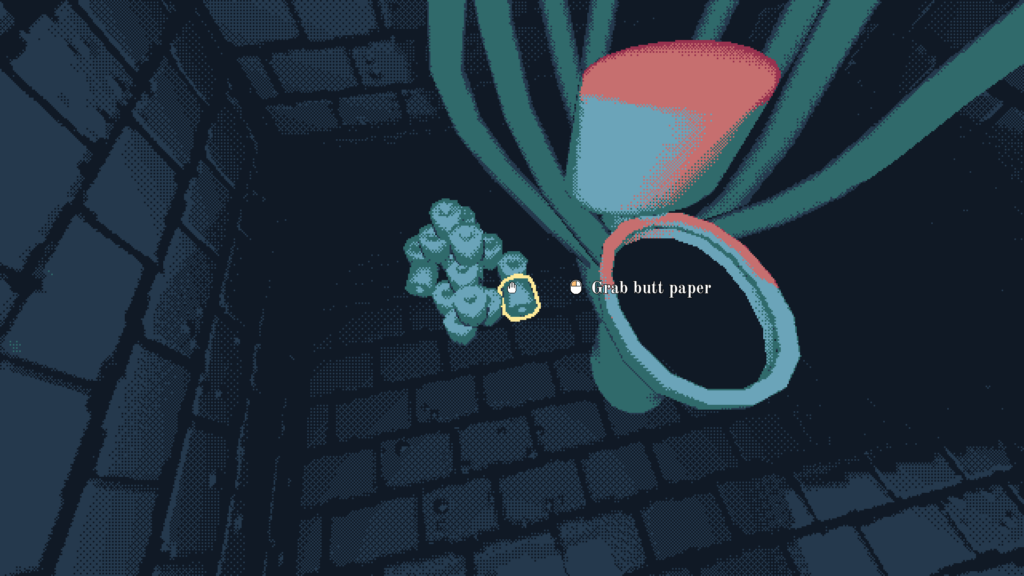
One minute you are sending off mail, then next toilet paper falls all over your workspace or something appears then vanishes.
Likewise, your assistant’s interactions reinforce this. During our first encounter, they appear without warning. Then, sometimes, they get too close. This makes them feel less like a helper and more like something watching.
By the final sequence, processing a package with increasingly surprising instructions, you’re still following the loop.
But it doesn’t feel right anymore. The demo ends on that tension, with the assistant appearing behind you, raising a knife.
This demo shows that the game knows how to balance tension with restraint instead of constant escalation.
WHAT DIDN’T WORK
- Some transitions between tasks feel slightly abrupt but plausible
- The loop risks becoming predictable if extended too far, which it thankfully avoided
- A few sequences could be tightened to remove minor dead space (e.g., the demon floating toward you feels unnecessary, its initial appearance and vanish already land).
None of these break the experience, but they matter if the full game expands on the same structure.
DEMO VERDICT
The Mailroom demo understands how to balance pacing, tension, fun moments, and serious moments.
It builds a system that is simple and engaging and lets you trust it. Once you get used to it, then the game starts applying pressure in controlled ways.
The tension comes from:
- familiarity
- repetition
- subtle disruption
The “cozy horror” angle works because the game never fully abandons the job structure. When things around you start getting freaky, you’re still doing the work.
That’s what makes it stick.
If the full game expands on this, like pushing the loop further without breaking its pacing, it could land really well and appeal to an gaming audience.
So, who is this game for? Well, this is for players who:
- like slow burn horror
- pay attention to mechanics and patterns
- prefer tension over jumpscares
It doesn’t overstay its welcome and leaves you wanting more after you clock out for the day.
WATCH THE FULL PLAYTHROUGH
Steam Link: https://store.steampowered.com/app/4043990/The_Mailroom_Demo/
If this concept clicks for you, wishlist it.
If you want to see a game where tension is lost, check it out here.
Also, if you enjoy indie horror breakdowns like this, follow Gravenox Horror Gaming, and trust me to explore horror so you don’t have to.

Nero is a writer and lore researcher known for reviewing games on Steam. With years of experience playing horror games, uncovering hidden narrative patterns across indie and AAA titles, and publishing museum catalogs on ancient objects, he blends commentary with psychological horror theory. When he’s not unraveling storylines, he’s enjoying rock music, drawing, working in analytics or obviously playing video games. Check out his latest post to explore the furtive patterns hidden in game lore.