
Skip to content

They Not Fae! Review: Stop, Don’t Trust Anything

They Not Fae builds tension by making ordinary objects feel unsafe, then keeps that paranoia going longer than expected.

QUICK SNAPSHOT

Developer: Malerouille
Genre: Indie Horror / Survival Horror
Platform: PC
Playtime: approx. 1-2 Hours
Price: budget friendly for first game from dev
Worth Playing? Yes, especially if you like environmental paranoia and horror that builds through uncertainty instead of constant chasing.

KEY TAKEAWAYS

  • Tension builds once mimic enemies make the environment feel untrustworthy
  • The phone mechanic slows the player down in a good way
  • Office spaces carry most of the horror through atmosphere alone
  • The game works best before fully revealing the lore
  • Silence and hesitation create stronger fear than direct attacks
  • Some encounters break tension by escalating too abruptly near the end

FIRST IMPRESSIONS

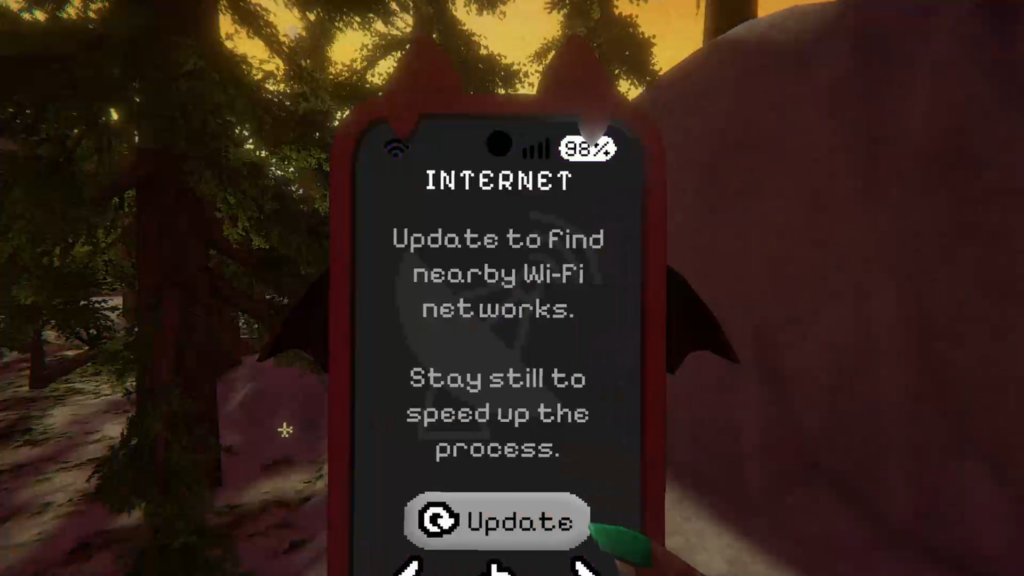
At first, the game feels almost too calm as you’re chasing your missing cat through snowy woods using your phone. The design is similar to PS1 horror game.

Nothing immediately feels dangerous. The environment has a liminal horror game feel and is quiet. Yet, occasionally you hear whispers, which set the tone despite everything seeming normal.

That’s important because the game gives you enough room to relax before it starts changing your behavior.

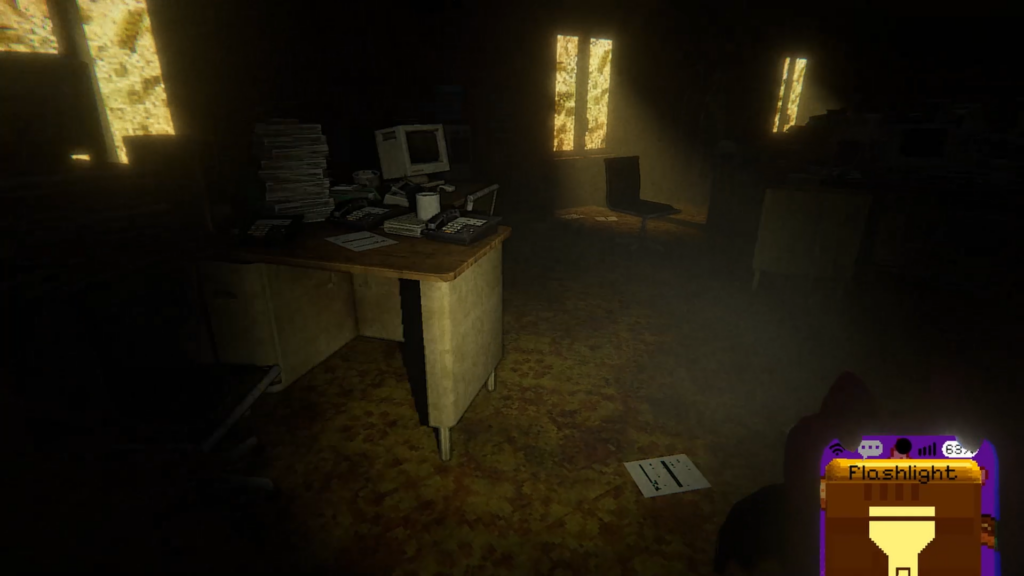
Once you enter the office spaces, the tension starts building differently, mainly through uncertainty.

Rooms start feeling wrong, furniture placement looks wonky, and hallways come off way too quiet.

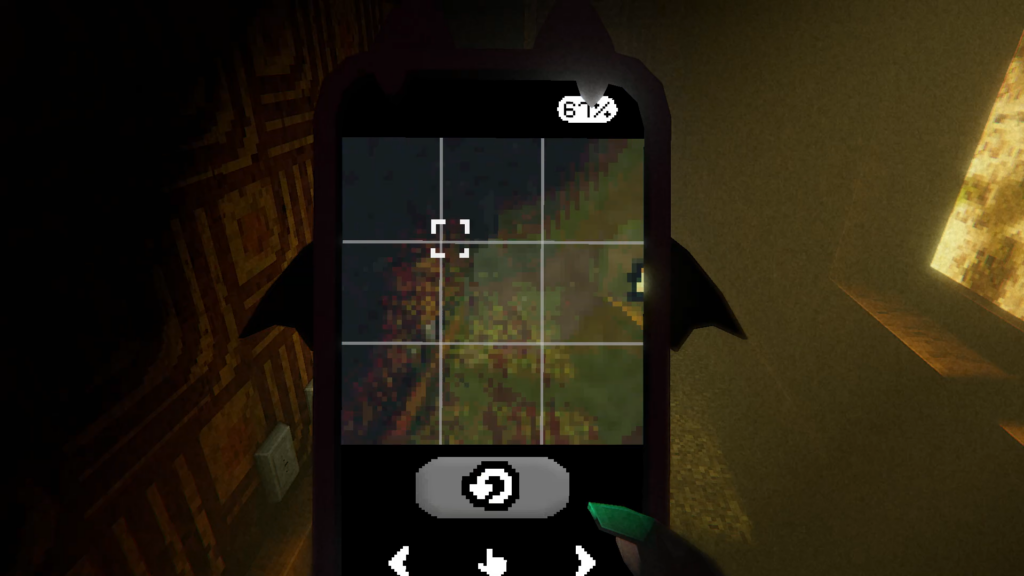
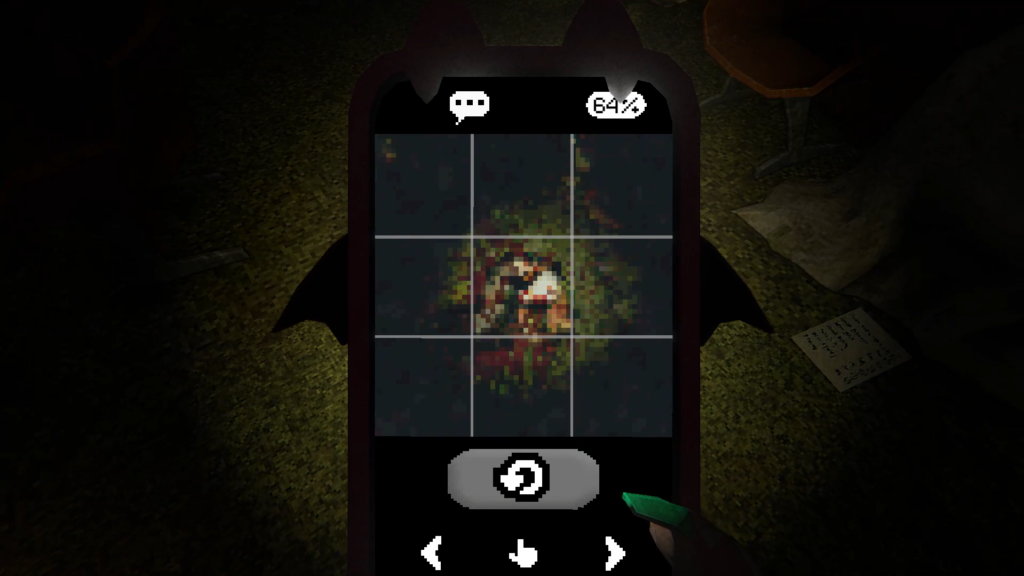
So, you begin scanning rooms longer than necessary, and that’s when the game starts working.

THE GAMEPLAY LOOP

The loop is boiled down to explore, scan, follow clues, then move deeper

Early on, curiosity drives exploration and later, paranoia, which carries most of the experience.

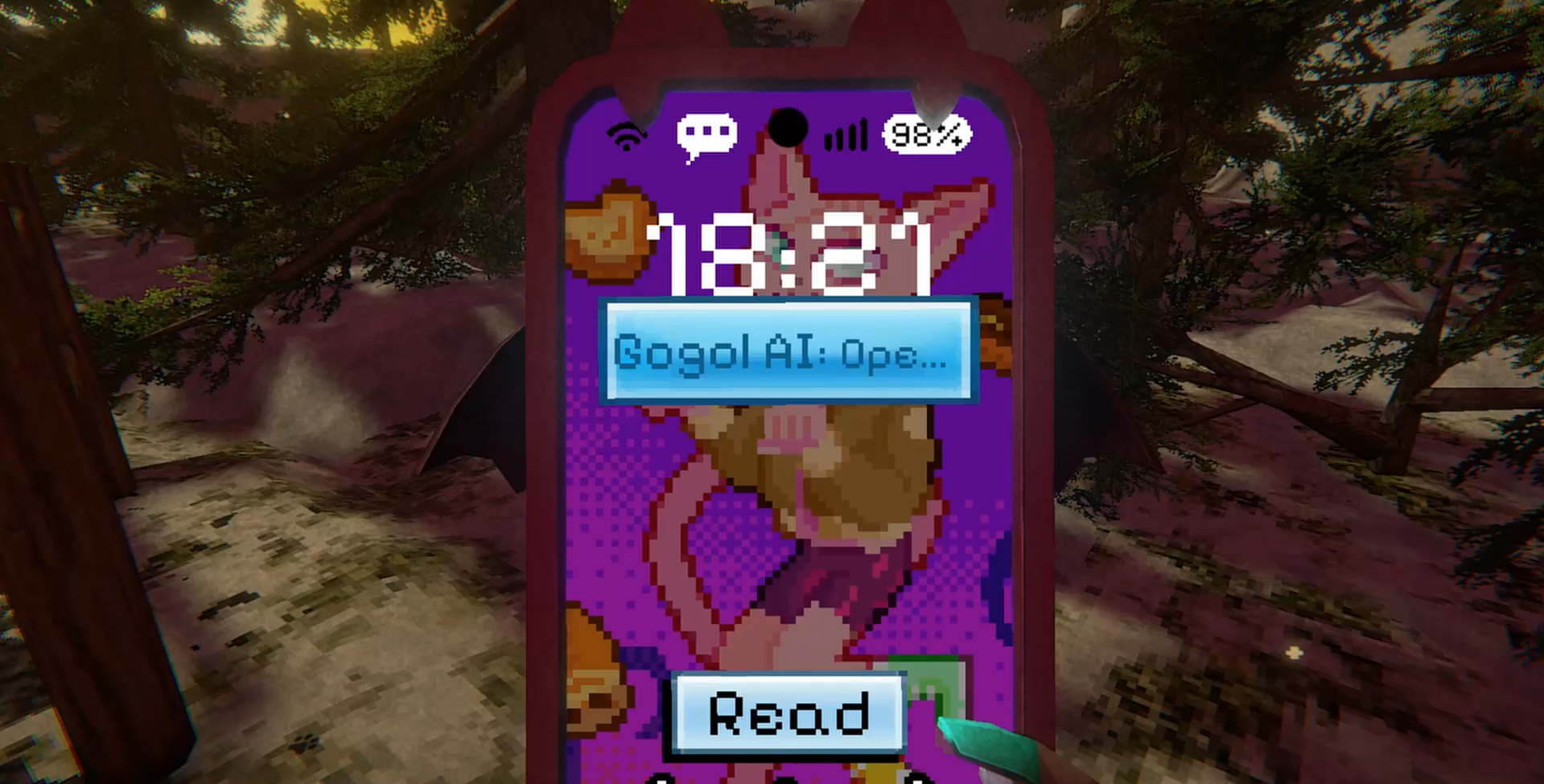
The phone mechanic helps a lot here. It’s technically a utility tool, but psychologically it becomes reassurance. You stop using it because you want to navigate properly and start using it because you don’t trust the room anymore.

All these create a strong horror design.

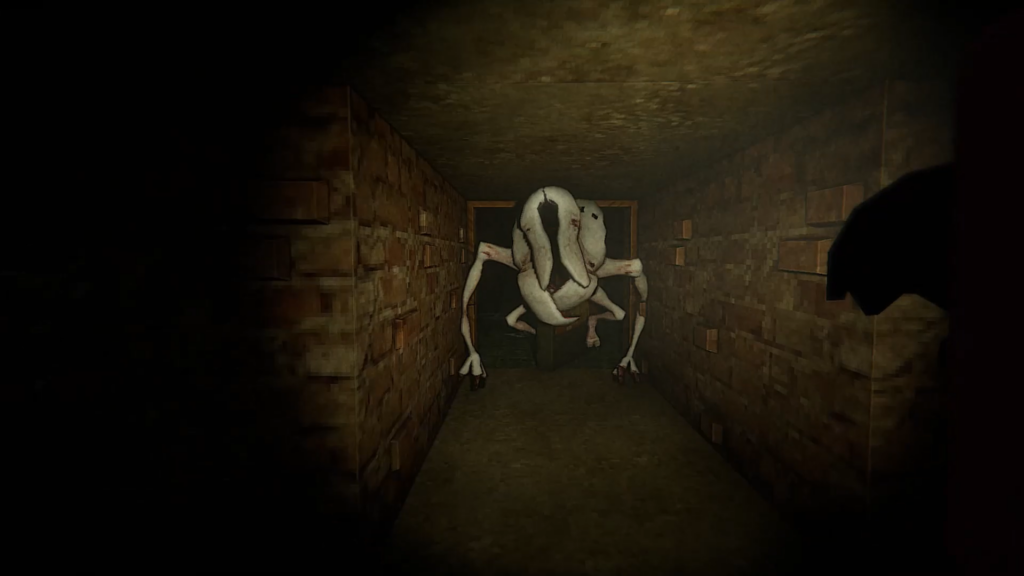
The mimic enemies completely change how exploration feels. Once the game teaches you that objects can disguise themselves, the environment itself becomes the threat.

So, you end up hesitating more and stop walking through rooms casually.

That behavioral change is where the tension succeeds most.

THE ATMOSPHERE

This is easily the strongest part of the game.

The abandoned office environments carry this game far. Harsh lighting, empty desks, long hallways, monitors, and awkward room spacing create constant discomfort even when nothing is happening.

The game understands an important aspect of fear: a room does not need active danger to feel unsafe.

That’s why the quieter sections work so well. You’re reacting to possibility more than actual threat.

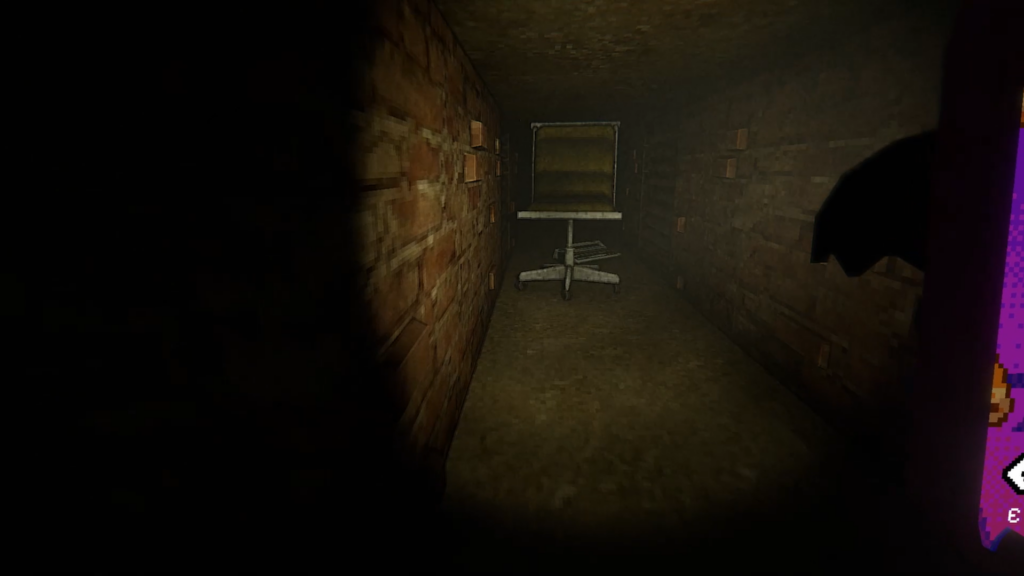
Once mimic enemies exist, every object starts carrying tension automatically. A chair isn’t just a chair anymore because the game already taught you not to fully trust what you’re seeing.

Plus, with the objects moving, a lingering uncertainty keeps the atmosphere working even during slower sections.

SOUND DESIGN

Sound amplifies the tension. Long stretches of silence force you to pay attention to tiny details.

Distant movement, humming lights, environmental creaks, and subtle audio shifts keep the player mentally active even when gameplay slows down.

The game rarely overloads you with noise and that helps. Some of the strongest moments happen when things seem peaceful. You hear something small, stop moving, and suddenly start questioning the room around you.

This is a good example of audio working best when it supports uncertainty instead of replacing it with loud interruptions.

WHEN IT CLICKS

There’s a moment where the game changes how you move.

As you stop entering rooms confidently, a creeping sense sinks in as you start checking objects twice.

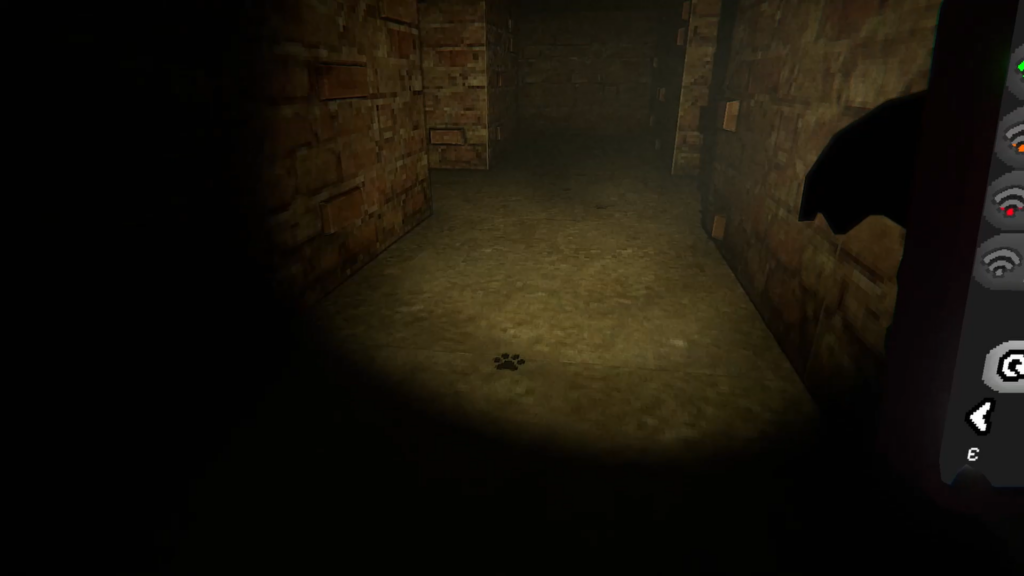
Keep in mind, you are still looking for your cat. So, paying attention to small details like pawprints or meowing works for and against you.

This makes you expect movement when nothing’s there.

Here is the exact point where They Not Fae! becomes effective. That tension stays for most of the experience.

WHERE IT BREAKS

The game loses some tension when encounters escalate too quickly.

Sometimes the mimics can pursue you in pairs, which can obstruct progress literally.

Also, certain attacks happen before enough buildup forms, which weakens the paranoia the game is strongest at creating. This makes few reveals scarier in concept than execution.

The game works best when it lets uncertainty breathe.

Whenever it rushes toward direct confrontation, mostly in the basement (though occurs sparingly), some of that environmental tension drops.

Movement can also feel slightly awkward during tighter moments, especially when reacting quickly in confined spaces.

Still, the core tension system remains strong enough to carry most of the experience without breaking immersion.

FINAL THOUGHTS

They Not Fae! works best when it turns the environment against the player, not through nonstop danger.

The mimic mechanic changes how you process rooms, and the office environments keep that paranoia active almost the entire time.

Once the game teaches you not to trust ordinary objects, even simple exploration to learn the lore starts carrying tension.

Overall, as you play, this game creates the framing for you to start expecting mimics everywhere.

WATCH THE FULL PLAYTHROUGH

Check out They Not Fae! on Steam and experience it yourself. If you’re into indie horror that focuses on atmosphere + paranoia, this one’s worth your time.

If you want more action but tense mimic moments, check out Mimania here, or step into the uncanny with The Mailroom preview here.

If you enjoy indie horror breakdowns like this, follow Gravenox Horror Gaming, and trust me to explore horror so you don’t have to.