
Skip to content

When Sunday School made Silence Feel Heavier than Fear

A Sunday school trip to hell.

Key Takeaways:

  • Silence becomes the antagonist: the no-commentary approach amplifies every footstep and audio shift, making the atmosphere heavier than any jump scare.
  • Subtle anomalies drive the fear: small distortions in childlike drawings create more tension than overt threats ever could.
  • Hyper-awareness replaces traditional horror: the loop structure forces you to question your perception instead of bracing for monsters.
  • Restraint makes the ending land harder: the quiet “final descent” lingers because it offers unease without clean resolution

Overview

I expected Sunday School to unsettle me. I didn’t expect it to make me feel observed by something that wasn’t there.

Developed by Artur Latkovsky, Sunday School brings a unique, surreal, and psychedelic style into the psychological horror of anomaly detecting.

Why is unique? Well, the style resembles drawings like from a four-year-old. There was no loud jumpscares. It was a qiet ambiance that slowly let the dread build, making you curious and apprehensive at the next anomaly.

The Friction

Most horror games want to show you the threat or at least imply it clearly. Sunday School does something more uncomfortable.

It makes you doubt your own perception. Some things you question if it was an anomaly or not, which is amplified from the surreal art style.

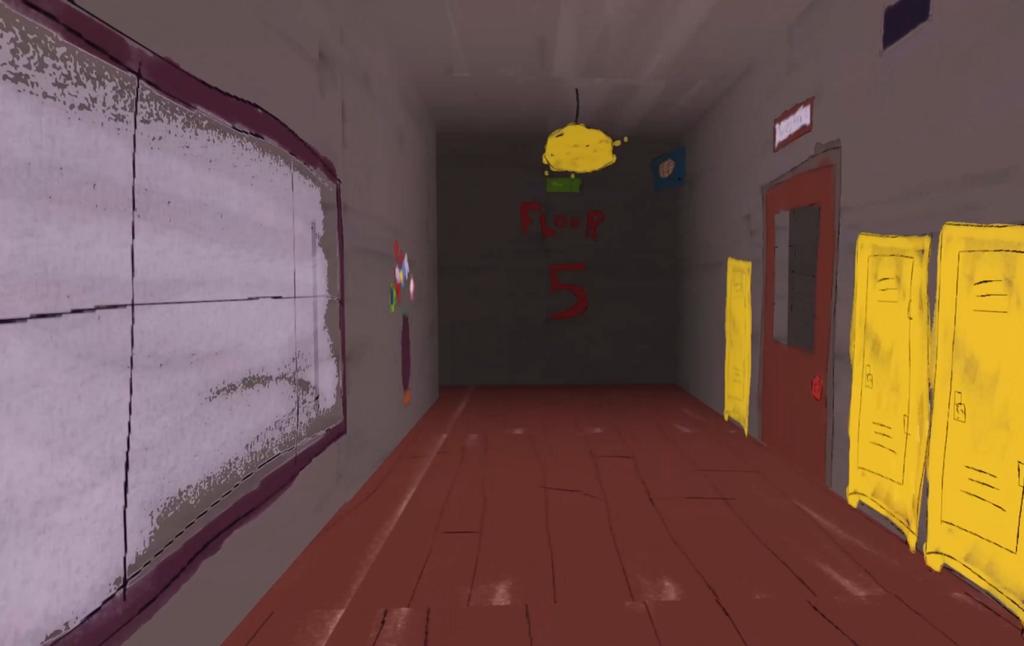
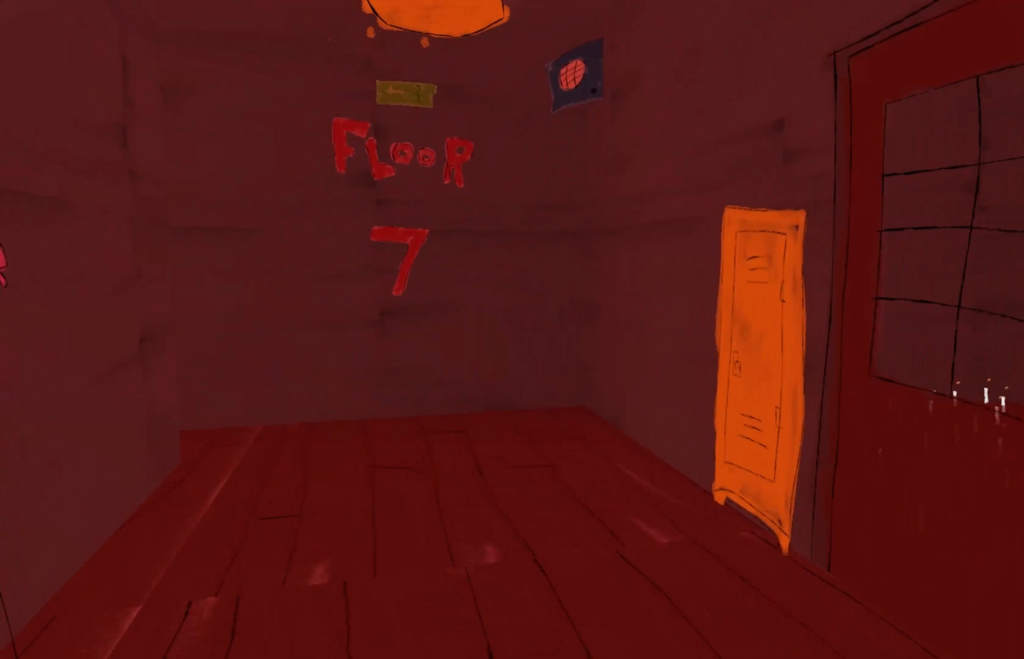
The gameplay follows that “spot the difference” loop structure in familiar hallways and repeating rooms.

While playing, I constantly questioned myself on Was that there before? But instead of obvious environmental changes, the game entices you to observe. To really look.

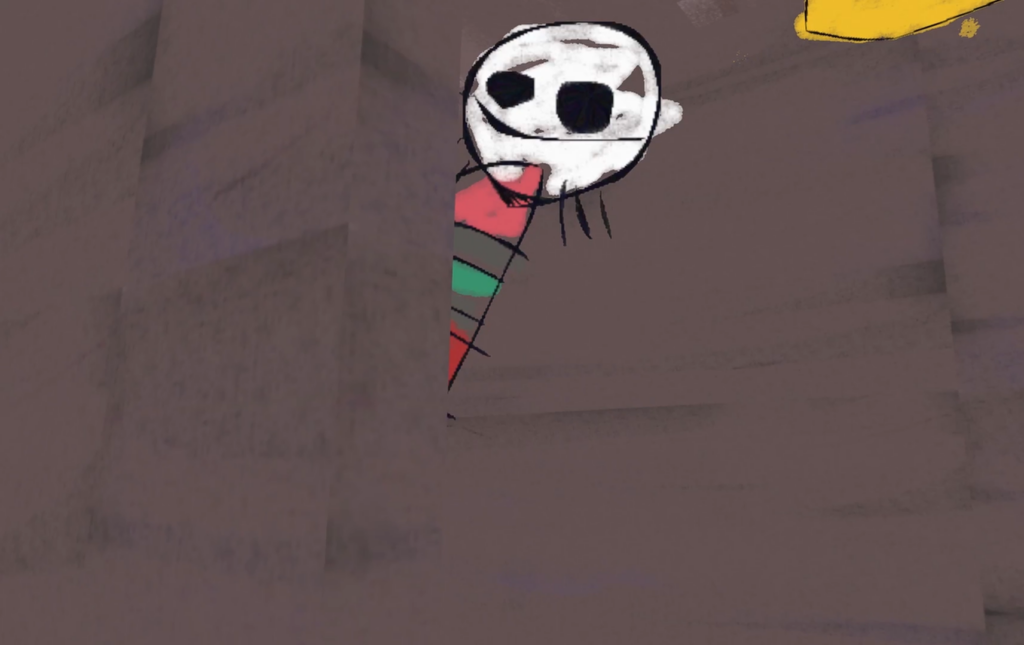
Childlike drawings are all over the environment. Innocent at first. Scribbled figures, uneven shapes, which definitely shows in their simplicity or just funny ridiculousness. So, though, it slowly shifts.

A drawing moves slightly too fast. An eye seems to bug out. Things go missing. Shapes become barely visible. Things that seem like a bug in the game are actually intended distortions. The tension feels organic from the uncanniness.

The Mechanic

What makes this work is the restraint the game has while not being afraid to be just absurd in its horror. In all honestly, I found some of the anomalies funny is a dark way.

The pacing in my run was methodical, carefully glancing at every drawing. This showed how the game attention by weaponizing subtlety.

The most disturbing moments I’d say were the soundscape.

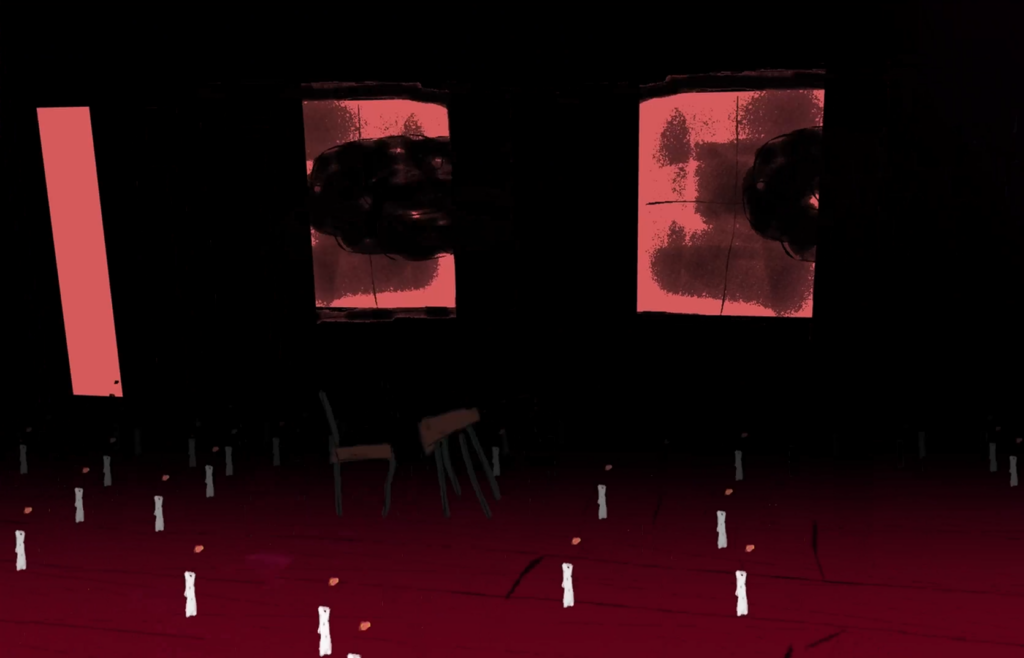
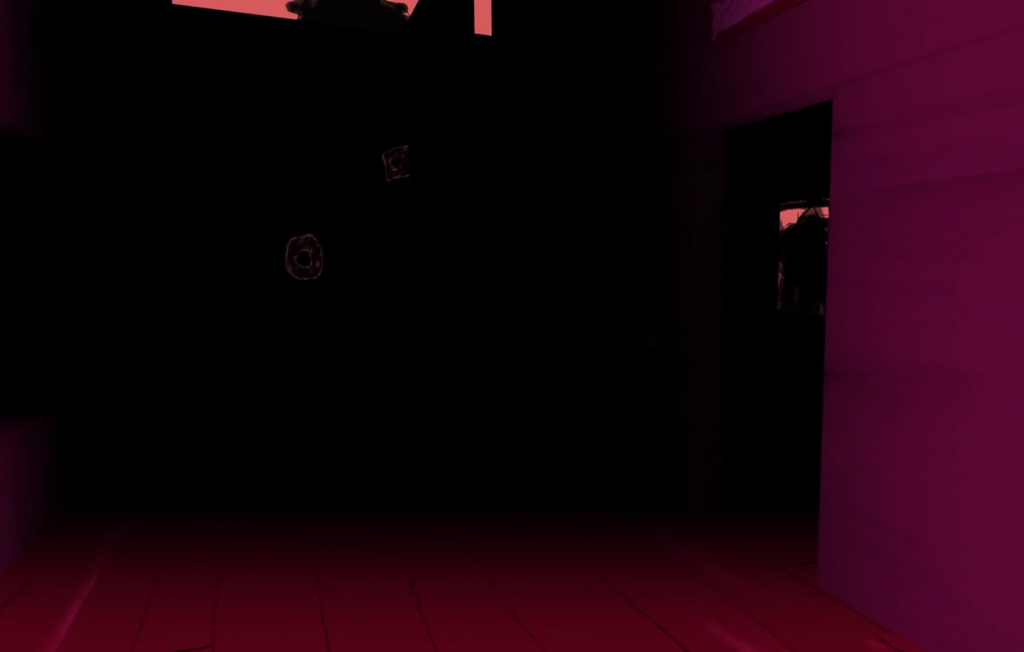
There are stretches where the low background hum cuts out entirely. At some points, you could only hear your footsteps and nothing else, hiking up the tension.

When the sound disappears, your body notices before your mind does. Then the anomalies start to layer in.

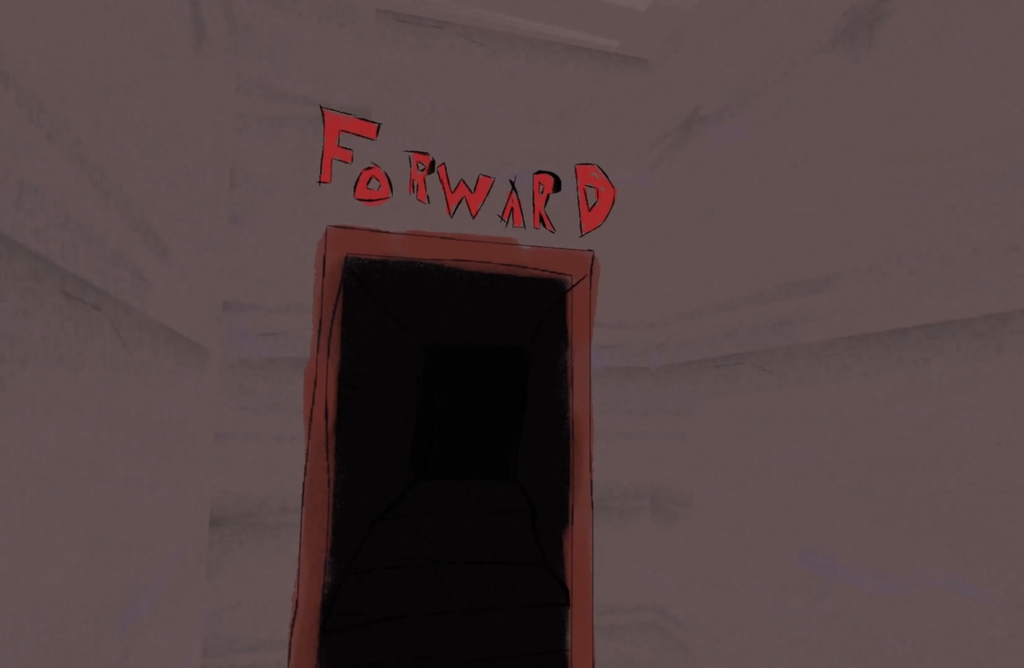
The transitions between floors feel like descending into something less physical and more psychological. Each loop feels slightly heavier. The childlike artwork shifts from innocent to eerie.

By the time you reach the deeper levels, you’re looking for proof that you’re escaping.

The Recognition Moment

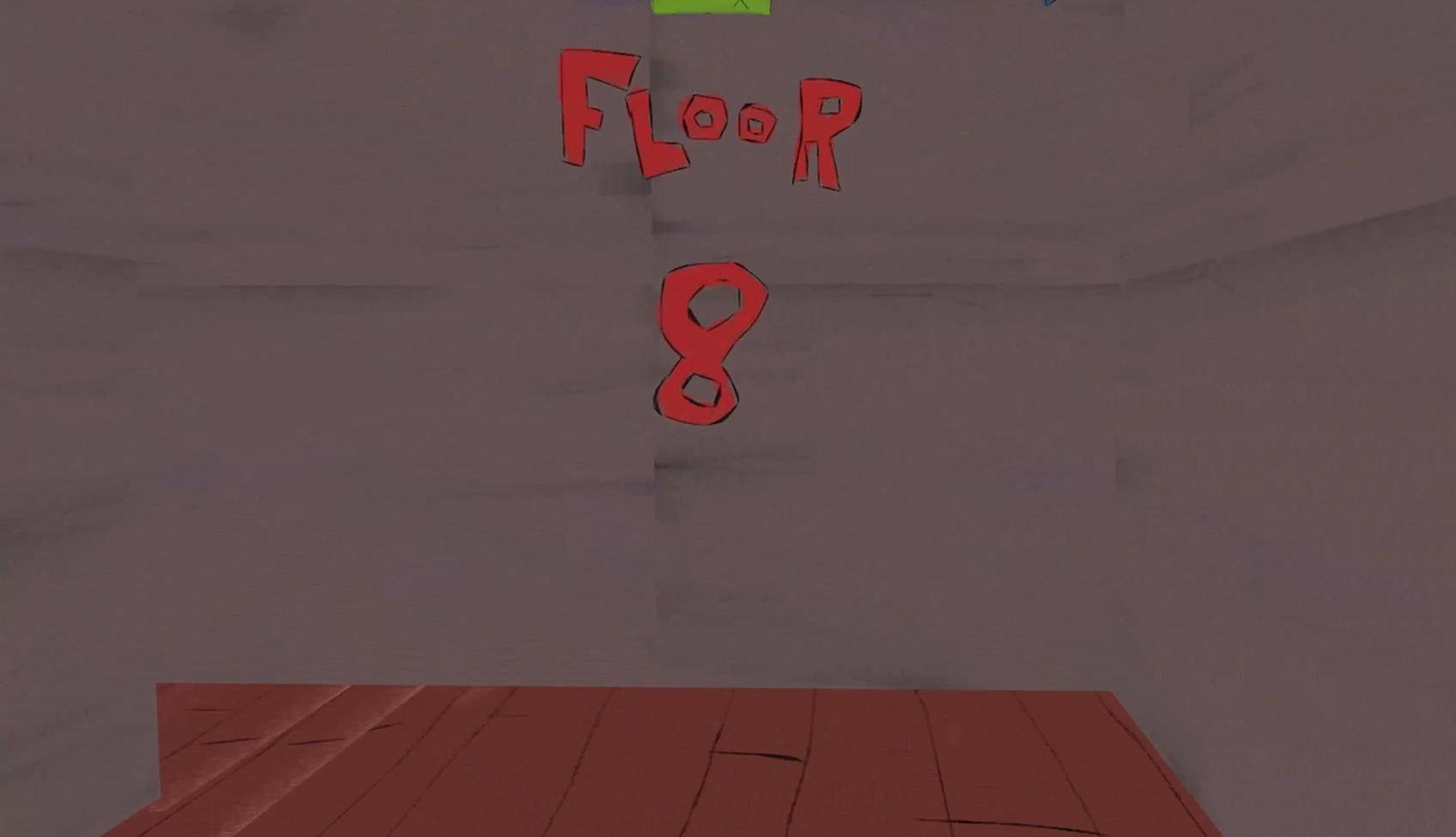
This game makes you hyper-aware. In all seriousness, you will meticulously look for any change, especially on floor 8.

The game recreates that uncomfortable feeling of scanning a room and suddenly questioning whether something moved when you weren’t looking.

That creeping uncertainty where your brain tries to convince you everything is normal, even when it isn’t.

Critiques

Now, I will say the game, for all its absurdity, can be confusing at times and show some roughness.

One anomaly I encountered was hard to identify as I kept wondering if it was intentional or a bug in the game.

I gambled and confirmed it was an anomaly, but this did break emersion a bit. However, by the endings, the missing floor made sense.

The only other issue was the mechanics. In game the mechanics were good and functioned properly, but when trying to close the game, I had some trouble.

It may have been just my setup, but ESC did not work nor Alt + F4. I think a pause menu where you could select to exit would fix that issue.

The Final Floor

When I reached one of the endings, the “dark ending” that pulls everything inward without relying on spectacle. I won’t spoil it, but I will say the silence makes it land harder.

There’s something unsettling about witnessing a reveal without confirmation cushioning it. No voice to process it. No reaction to mirror. Just the environment and emptiness.

It felt unfinished in the way certain memories feel unfinished, like something was understood but never spoken aloud.

Closing Thought

Sunday School takes something comforting, a child’s drawings, and poisons it through repetition and doubt.

The longer you pay attention, the more you start to wonder whether you’re noticing changes… or imagining them.

If you enjoy psychological horror that prioritizes atmosphere and perception over spectacle, this one lingers in a quiet way.

You can watch my full, descent into the looping hallways of Sunday School here and see the anomalies I caught or maybe the ones I missed.

Either way, it was solid for a free indie horror game.

Gravenox13 out