
Skip to content

Trees Hate You Demo: A Dark Humor Rage Game Experience

A forest full of trees somehow creates more tension than most horror games just by teaching you to distrust everything.

QUICK SNAPSHOT

Developer: Tykenn
Genre: Adventure, Indie, Dark Humor, Walking Simulator
Platform: Windows
Demo Length: Around 15 to 30 minutes depending on how many traps catch you
Demo Available: Yes
Wishlist: Steam page live now

KEY TAKEAWAYS

  • This dark humor game builds tension through unpredictability, not horror.
  • The traps work because the game conditions player behavior first.
  • Cute visuals become part of the psychological bait.
  • The best moments happen when you stop trusting the environment entirely.
  • Some sequences drag slightly, but the core loop lands excellently.

FIRST IMPRESSIONS

Admittedly, I thought a goofy indie game about angry trees would be the gist of the game. What I got was basically a rage game built around manipulated expectations.

That’s what surprised me most.

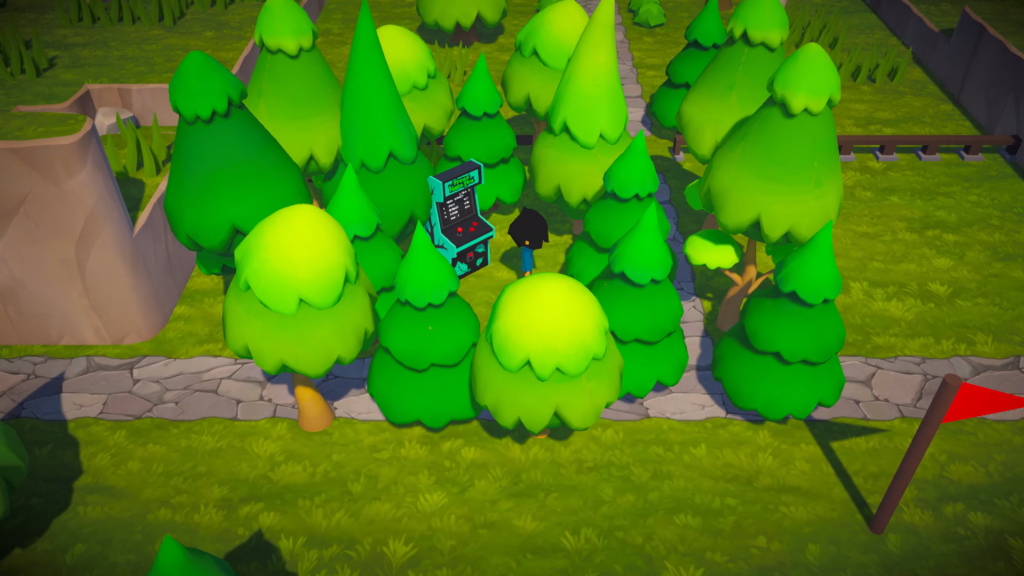
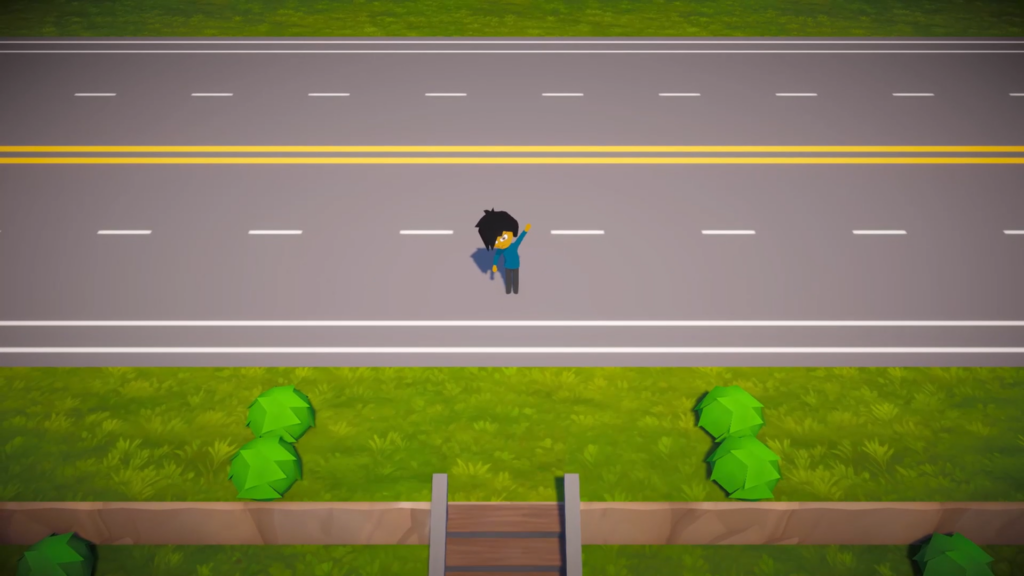
The game starts simple. You had a picnic, you’re walking home through the woods, spot signs pointing in directions, and continue on paths look safe. Surrounding you, trees that look decorative.

Then the forest immediately weaponizes that trust.

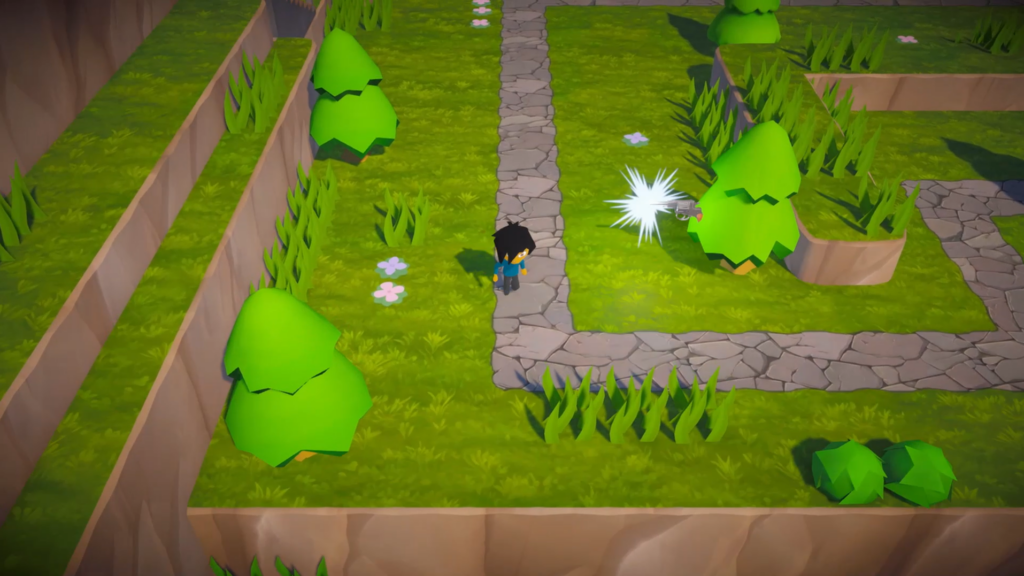
A sign tells you where to go, you read it, a tree punches you across the screen.

That moment establishes the entire identity of Trees Hate You. A dark, humorous psychological challenge with surprising tense moments.

The game is constantly teaching you that normal player instincts will get you punished. In short, curiosity becomes dangerous, following directions becomes dangerous, even standing still becomes dangerous.

And because the game uses bright cartoon visuals and absurd humor, the tension sneaks up on you.

You laugh first. Then you start hesitating before every corner. That’s when the game actually starts grabbing your attention.

THE GAMEPLAY LOOP

At its core, Trees Hate You is a walking simulator mixed with a trap game.

You move through small forest paths while trying to survive increasingly unfair environmental traps.

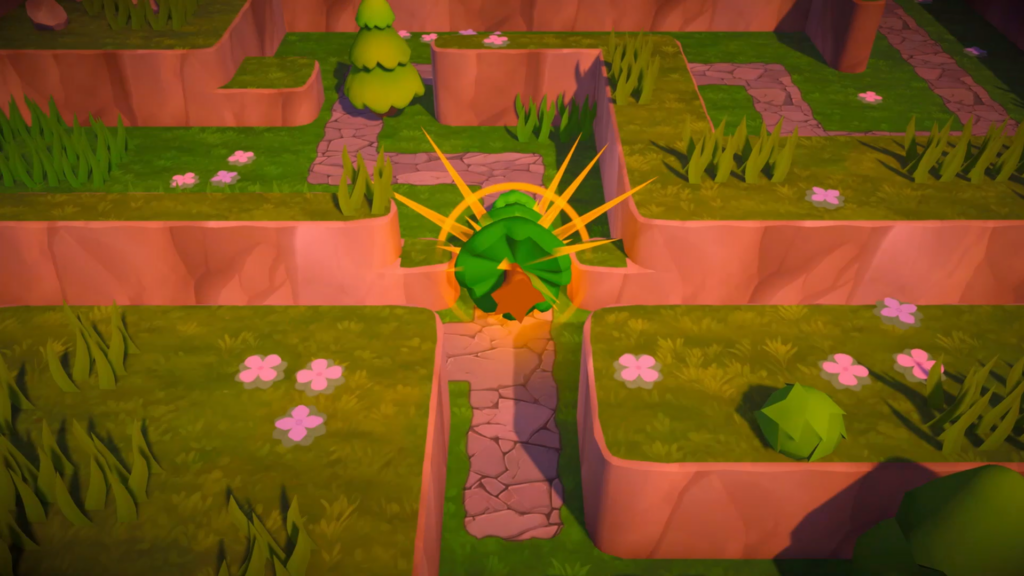
You’ll get a tree roll at you or trees falling from the sky. Signs bait you into danger.

Entire batches of trees suddenly turn into firing squads.

The actual mechanics are simple:

  • Move
  • Observe
  • React
  • Die
  • Retry

Early on, you play normally, trusting paths and sign information. Basically, you trust visual clarity.

Then the game repeatedly punishes those assumptions until you become paranoid. This behavioral shift is where the tension comes from.

By the middle of the demo, I was scanning every tree like it might suddenly attack me.

A design like this was clever. The game creates tension by corrupting environmental trust since we rarely think trees would do this.

Even when nothing happens, you still feel pressure because you expect something to happen. That uncertainty carries the entire experience.

And honestly, the humor helps it a lot.

The traps are mean, but they’re exaggerated enough that dying usually feels funny instead of irritating.

THE ATMOSPHERE

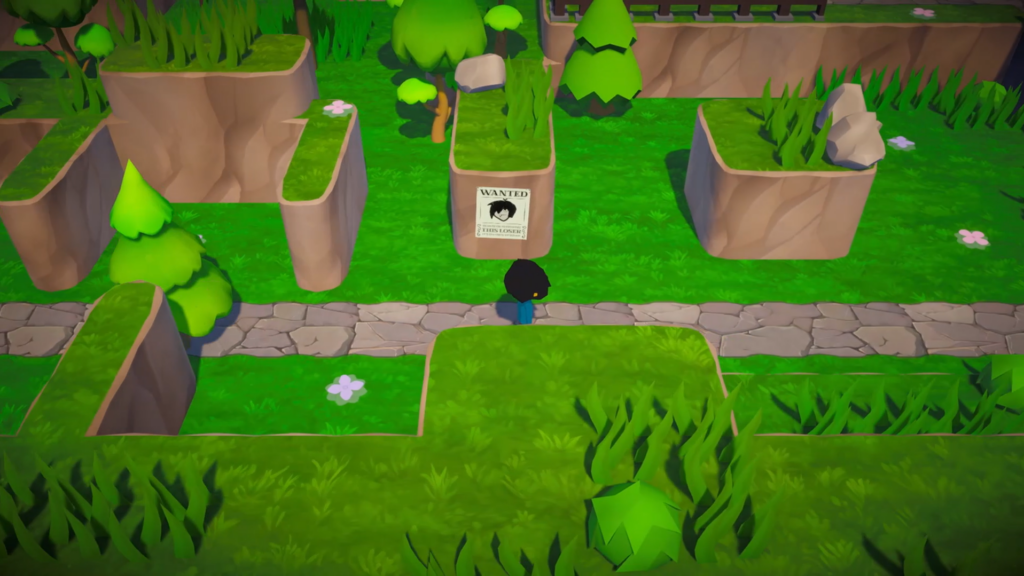
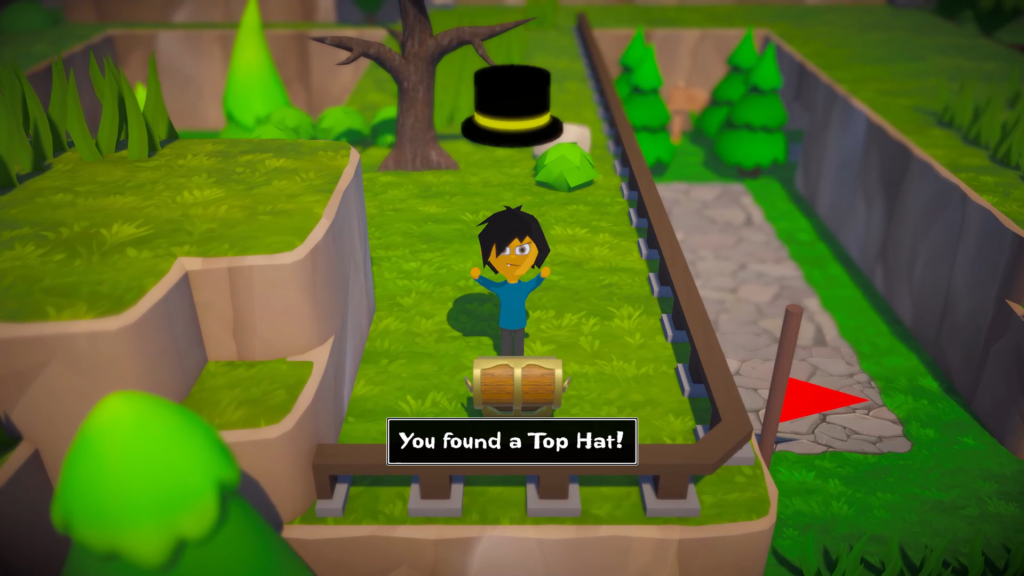
Visually, the game uses a bright 3D-cartoon style.

Big green trees, simple geometry with colorful paths, and soft lighting all imply safety. Nothing about the art style initially suggests hostility.

That contrast is important because the environment itself becomes the deception.

Constantly, the game uses visual comfort to lower player tension before suddenly weaponizing the apples, bustles, branches.

That rhythm works surprisingly well, and there’s also a strong surreal game energy running through everything. It’s like:

“This world operates on malicious cartoon logic.”

Nature behaves like a bully.

The game commits to that tone hard enough that the absurdity starts feeling consistent instead of random, hence the wanted poster of you.

The fact that you can collect silly cosmetic hats while the forest actively humiliates you somehow makes the entire experience funnier.

SOUND DESIGN

The audio does hidden work for tension.

Most of the music starts light and playful, which again lowers your guard.

Then traps interrupt that calm with sudden impacts, exaggerated hits, sharp percussion stings, and loud environmental sounds.

The game uses anticipation audio, and the sound effects themselves are intentionally exaggerated too.

When a tree punches you, it sounds ridiculous. When trees hit, they hit hard enough to feel comedic.

The game understands that the dark humor only works if the impacts feel dramatic.

And because the sound design emphasizes timing so much, even repeated traps still create tension on later attempts.

WHEN IT CLICKS

The game fully clicked for me when I realized I had stopped following signs entirely.

That’s the moment Trees Hate You successfully rewires player behavior.

At first, I treated signs like guidance. Yet, later, I treated them like threats. That mental shift completely changed the experience.

I started second-guessing everything:

  • Why is this path so open?
  • Why are those trees lined up like that?
  • I’m not following this sign.

The game trains paranoia through repetition. And honestly, that’s why the demo sticks. Because the game changes how you think while moving through the environment.

WHAT DIDN’T WORK

  • A few deaths feel more random than earned because certain falling trees give almost no readable warning. 
  • More environmental variation later could help escalation.

None of these completely break the experience. But they do slightly interrupt the tension rhythm the game builds so well elsewhere.

DEMO VERDICT

Trees Hate You succeeds because it understands something important.

Tension does not always need horror. This dark humor game creates tension through distrust, unpredictability, and manipulated player expectations.

That’s why it works.

The demo constantly asks: “What if the environment itself hated you?” to which it fully commits to the answer.

The traps are unfair, trees are malicious, and the game openly trolls the player.

But because the tone stays controlled and absurd instead of obnoxious, the frustration loops back around into comedy.

If you enjoy surreal games, rage games, trap-heavy indie games, or walking simulators with actual mechanical tension, this demo is worth playing.

Especially if you like games that weaponize player psychology instead of just throwing jumpscares at you.

And honestly? Any game willing to turn a peaceful forest into a coordinated bullying operation immediately earns points from me.

WATCH THE FULL PLAYTHROUGH

Watch the full playthrough here.

Wishlist the game on Steam.

With the full release expanding the behavioral tension design already in this demo, Trees Hate You could end up becoming one of those weird indie games people keep talking about.

If you want another absurd and fun demo, check out Mimania. Want a more horror themed demo, take a look The Mailroom.

If you enjoy indie horror breakdowns like this, follow Gravenox Horror Gaming, and trust me to explore horror so you don’t have to.