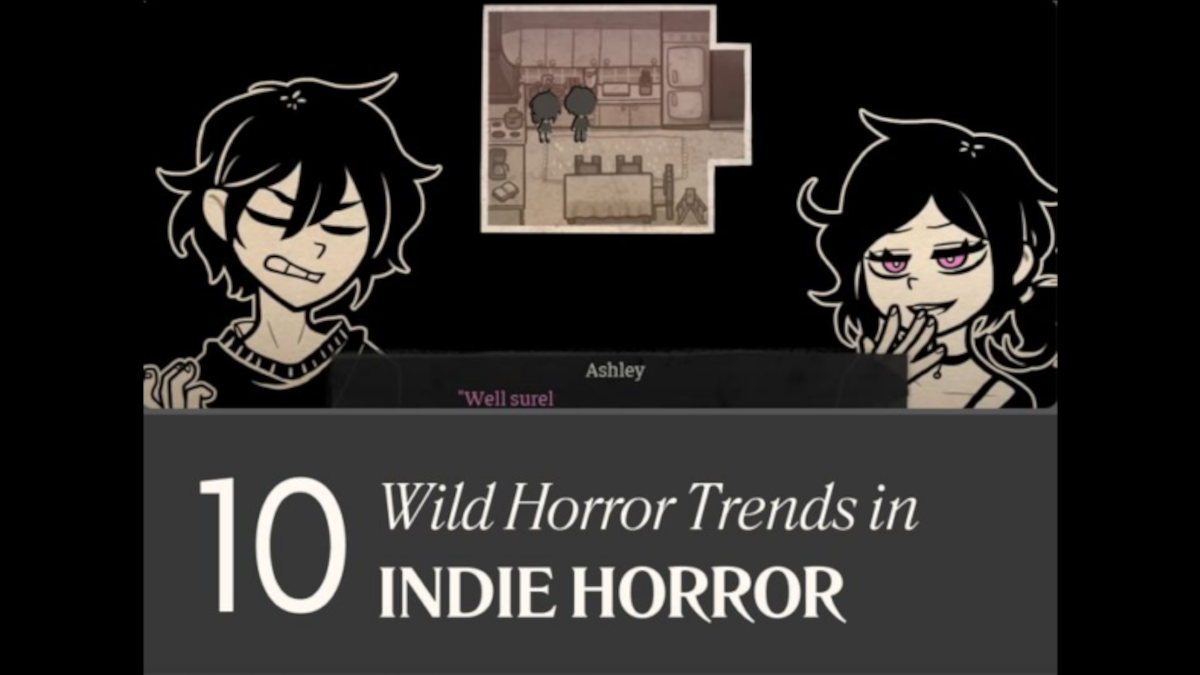
Randomness, taboo themes, and psychological horror… oh, horror trends.
QUICK SNAPSHOT
Indie horror is getting stranger, more psychological, and increasingly experimental. From PS1-inspired visuals and unpredictable procedural generation to liminal spaces, microphone mechanics, and uncomfortable themes, these horror trends show how developers are finding new ways to keep players uneasy
Affiliate disclosure: Gravenox may earn a commission from purchases made through links in this article, at no additional cost to you.
KEY TAKEAWAYS
- Nostalgic Lo-Fi Aesthetics: Developers are embracing low-poly 1990s visuals to create haunting atmospheres that focus on storytelling over graphical fidelity.
- Procedurally Generated Nightmares: Games use procedural generation to create unpredictable scares, keeping players constantly on edge.
- Exploration of Taboo Themes: Indie horror games are boldly tackling controversial and uncomfortable topics, including codependency, mental illness, and societal criticism.
- Revival of Fixed Camera Angles: Inspired by classic survival horror, fixed camera angles are making a comeback to intensify suspense and unease.
OPENING
Ever wonder what makes good psychological horror games work? In 2024, indie developers continued to push the boundaries of storytelling and immersion in the horror genre.
With innovative mechanics, distinctive visuals, and gripping themes, indie psychological horror games are taking us on strange and unforgettable journeys into the depths of fear.
The genre has been exploding with new ideas, fusing traditional scares with experimental approaches. So, I researched the trends making psychological horror so appealing. Now, let’s take a deeper look at my 10 Latest Indie Horror Trends 2024.
1. Nostalgic Lo-Fi Aesthetics
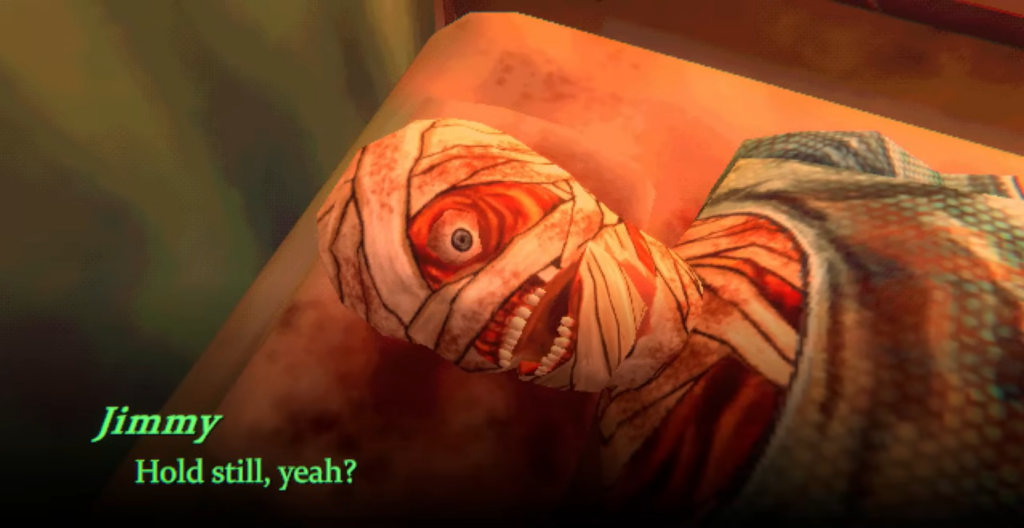
Among current horror trends, independent developers are tapping into the spooky beauty of low-poly visuals from the 1990s. High-end graphics aren’t required for successful horror, as demonstrated by the “haunted PS1” style, which uses dated imagery to create eerie atmospheres.
Games like Mouthwashing adopt this style, offering a vintage horror experience that engrosses players in a hauntingly evocative setting. Because of the graphics’ simplicity, more attention can be placed on the narrative and atmosphere.
2. Procedurally Generated Nightmares
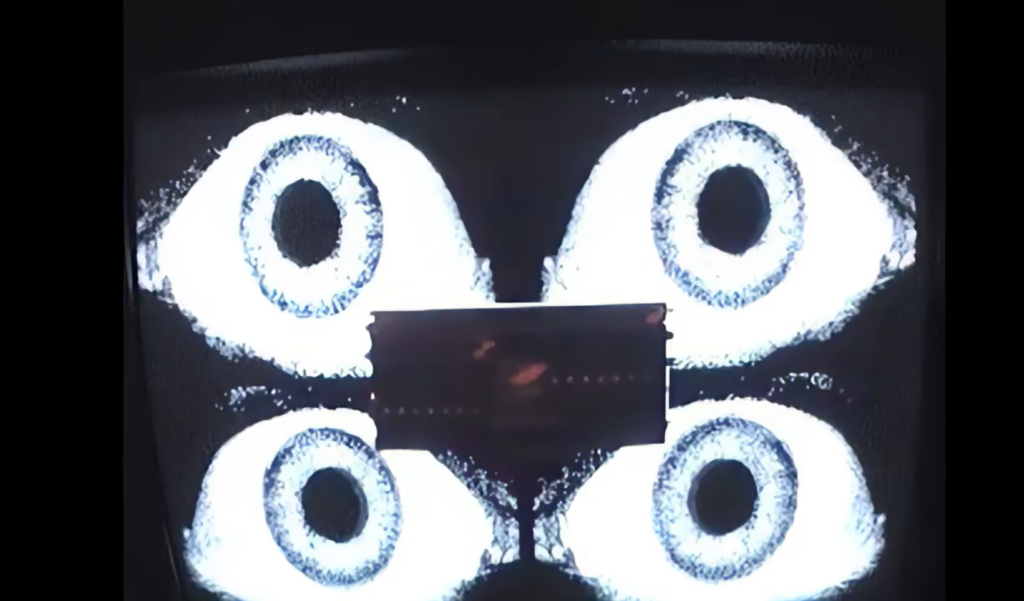
Procedural generation is adding unpredictability to horror games. Through procedural generation, developers can modify the randomness of a game system, giving them subtle control over the level of uncertainty a player encounters.
DarkwebSTREAMER, developed by We Have Always Lived In The Forest, is a good example. The game promises an endlessly generated internet designed to make sure no two playthroughs are quite the same.
Because players can’t completely predict the horrific events awaiting them, this randomness can keep them on edge.
3. Exploration of Liminal Spaces
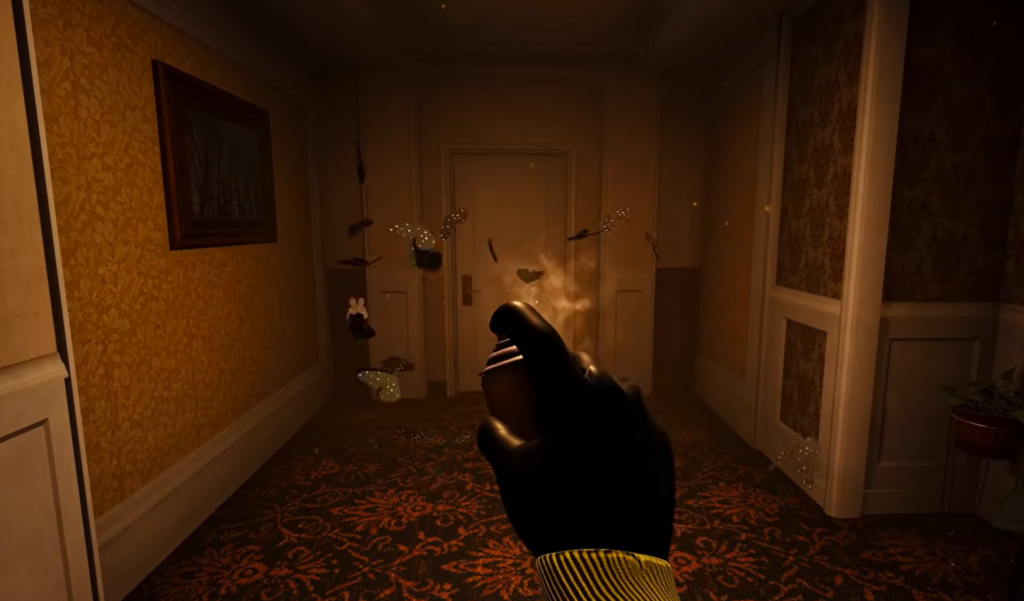
The concept of liminal spaces, transitional or in-between places, has become a popular theme in horror.
Backrooms Media is an excellent example because it explores more than the familiar hotel hallways commonly associated with Backrooms horror. Watery environments, strange rooms, dark forests and structures, and seemingly endless descents expand the feeling that you’ve wandered somewhere you aren’t supposed to be.
Interested in Backrooms Media? Check the current price for Backrooms Media on Green Man Gaming.
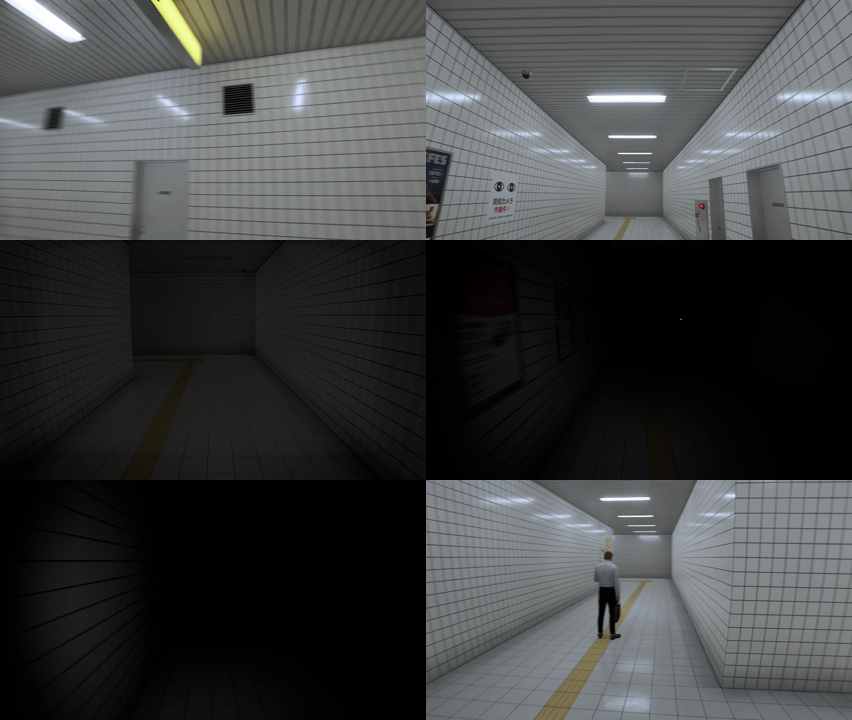
The Exit 8 takes a different approach by placing you in a seemingly endless Japanese subway passage. The repetitive, empty halls turn an otherwise ordinary transitional space into something deeply unsettling.
4. Exploration of Taboo Themes
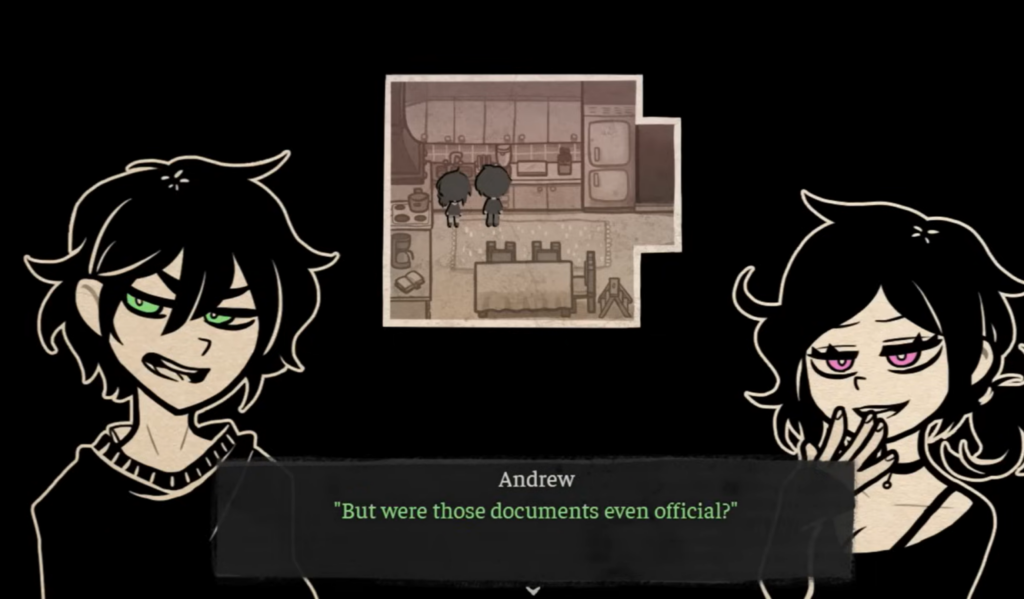
Indie games are boldly exploring complex and sometimes taboo subjects. Developers can tackle niche or controversial themes that might be considered difficult territory for more mainstream releases.
Indie developers explore subjects ranging from existential dread and mental illness to LGBTQ+ representation and political criticism.
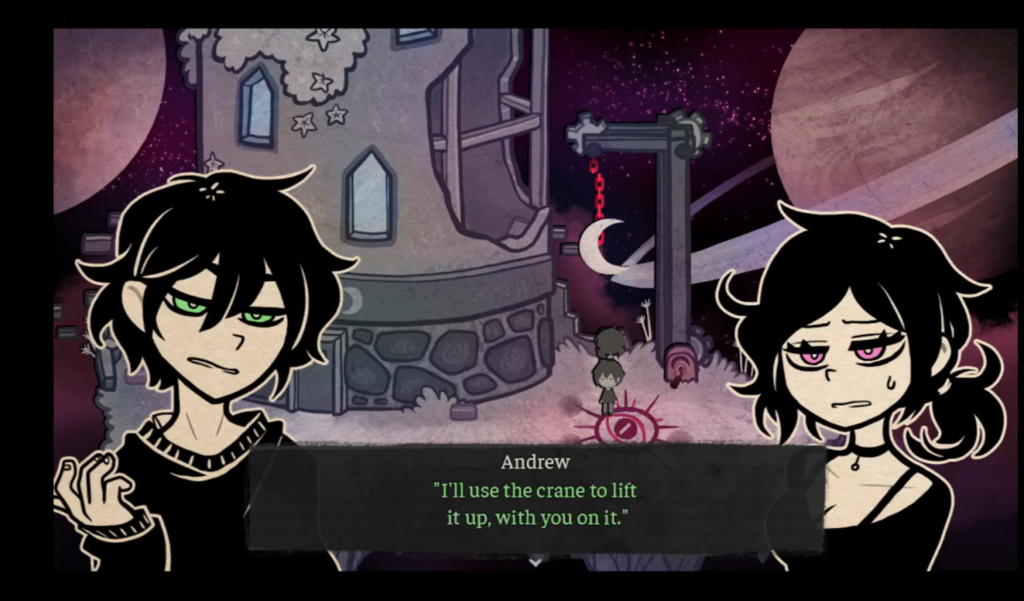
For example, The Coffin of Andy and Leyley, a game I liked despite the backlash surrounding it, delves into codependency and dysfunctional family dynamics, challenging players with uncomfortable scenarios.
The result is a distinctive and provocative experience that goes beyond simple scares.
5. Revival of Fixed Camera Angles
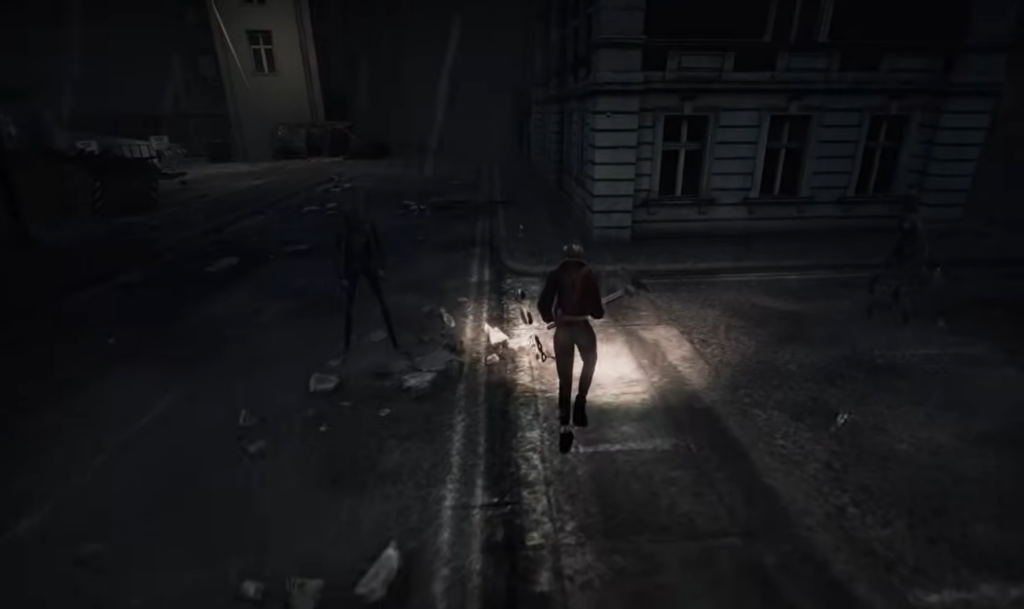
Some indie games, influenced by classic survival horror, are bringing back fixed camera viewpoints to heighten suspense.
Hollowbody uses this technique to evoke the tense atmosphere of horror games from the late 1990s and early 2000s.
The game frequently changes its camera positioning as you explore. In enclosed areas especially, those fixed perspectives can limit what you see and ramp up the tension as you move through the environment.
6. Short, Impactful Experiences
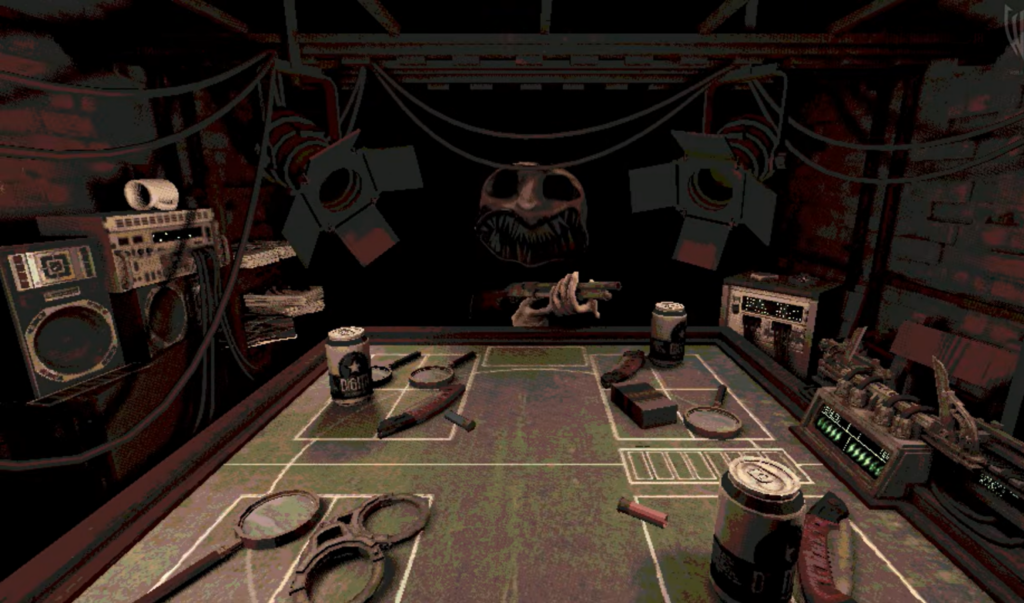
There’s a growing appreciation for concise horror games that deliver intense experiences without requiring a huge time investment, allowing players to jump into immersive horror narratives more easily.
Publishers like Critical Reflex have focused on titles that may be relatively short but leave a lasting impact.
For example, Critical Reflex published THRESHOLD, a brief and evocative horror game, and Buckshot Roulette, a deadly game built around a twisted version of Russian roulette. Both show how horror doesn’t necessarily need dozens of hours to make an impression.
7. Integration of Real-Time Player Feedback
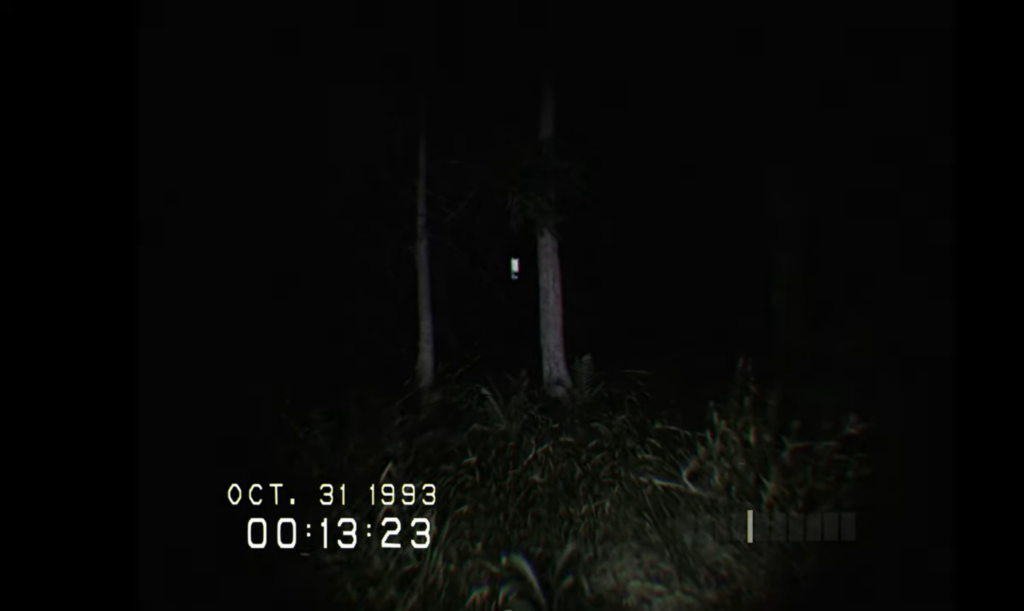
Some horror games are incorporating real-time player feedback to heighten immersion. Don’t Scream, for example, uses your microphone and can end the game if it detects a scream, directly connecting the player’s physical reaction to the gameplay.
Still Breath, a psychological horror game, also incorporates microphone-based gameplay where getting too loud can have consequences.
It’s an interesting evolution of horror mechanics because the game isn’t simply trying to scare the character on screen. It’s responding to you.
8. Psychological Manipulation Through Gameplay
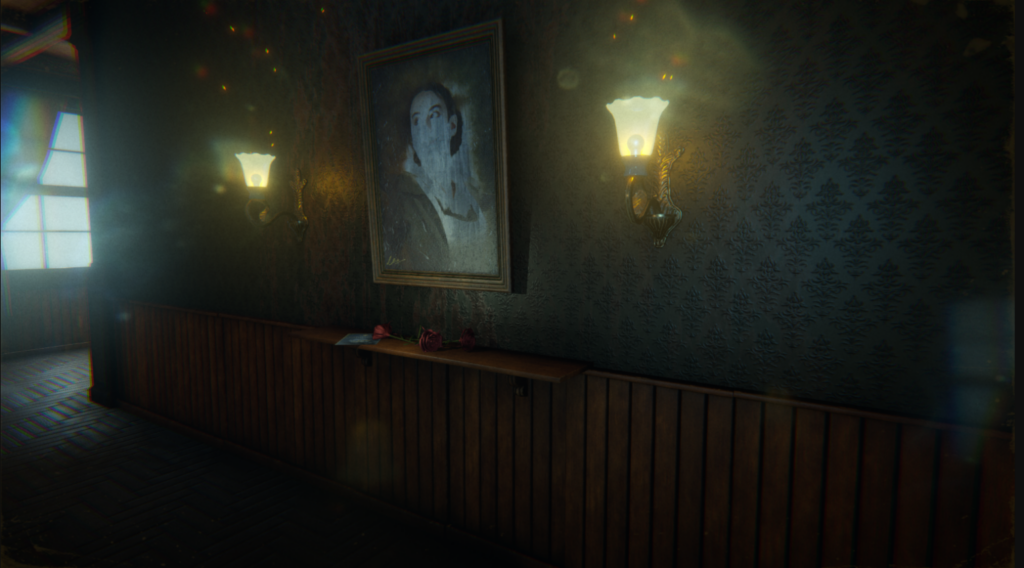
Games are increasingly using psychological tactics to unsettle players.
The Exit 8 requires you to spot subtle anomalies in a seemingly endless subway passage, creating a sense of disorientation and paranoia.
Ten Bells, one of my favorites in the anomaly-detection genre, combines this concept with a psychological horror story. Its anomalies demand constant attention, and some can end your run if you aren’t alert.
9. Community Driven Content and ARGs
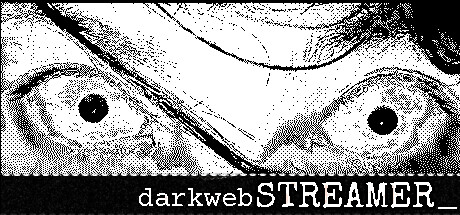
The distinction between games and reality is becoming increasingly hazy due to alternate reality games (ARGs) and community driven content. These experiences can increase player engagement by extending stories beyond conventional gameplay.
The ARG surrounding DarkwebSTREAMER expands its world beyond the game itself. Mascot horror has also embraced the format, with Poppy Playtime using ARG elements to expand the lore surrounding its story.
For horror developers, that means the mystery doesn’t necessarily have to stop when players close the game.
10. Focus on Psychological Depth Over Jump Scares
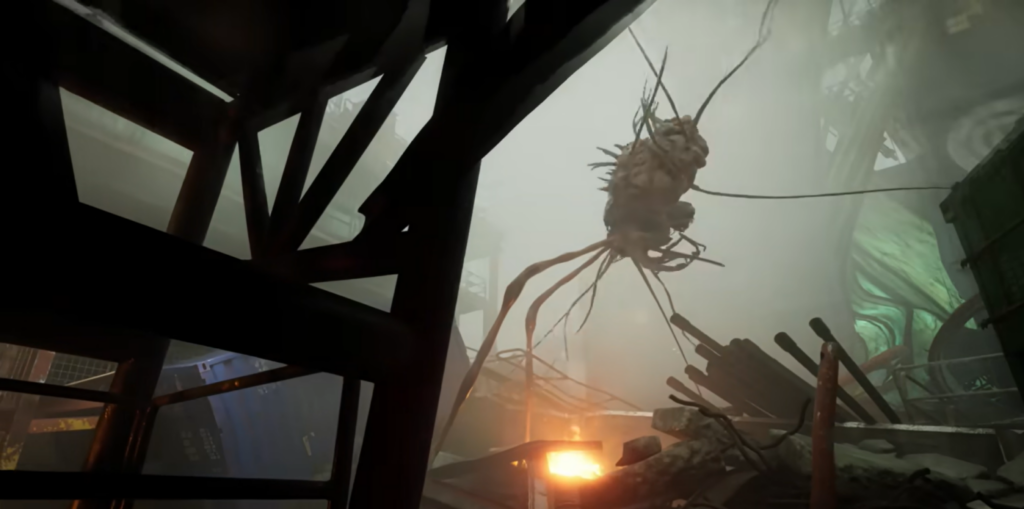
Instead of depending entirely on jump scares, many horror games use psychological depth, atmosphere, and sustained tension to create fear.
Games such as Still Wakes the Deep, with its strong Lovecraftian elements, create horror through a claustrophobic environment, isolation, and the deteriorating situation surrounding the protagonist.
A jump scare might get an immedi
Closing Thoughts
What interests me most about these horror trends is devs experimenting with where the horror itself comes from.
Sometimes it’s an empty hallway or a microphone listening for your reaction. It’s an unpredictable system you can’t memorize, or a story willing to explore something uncomfortable. Games like Mouthwashing, Backrooms Media, The Exit 8, and Still Wakes the Deep approach horror very differently, but each shows how much room the genre still has to experiment.
That’s what keeps indie horror interesting to me: you never quite know where the next unsettling idea is going to come from.
Which indie horror trend has caught your attention lately? Let me know in the comments.

Nero is a writer and lore researcher known for reviewing games on Steam. With years of experience playing horror games, uncovering hidden narrative patterns across indie and AAA titles, and publishing museum catalogs on ancient objects, he blends commentary with psychological horror theory. When he’s not unraveling storylines, he’s enjoying rock music, drawing, working in analytics or obviously playing video games. Check out his latest post to explore the furtive patterns hidden in game lore.