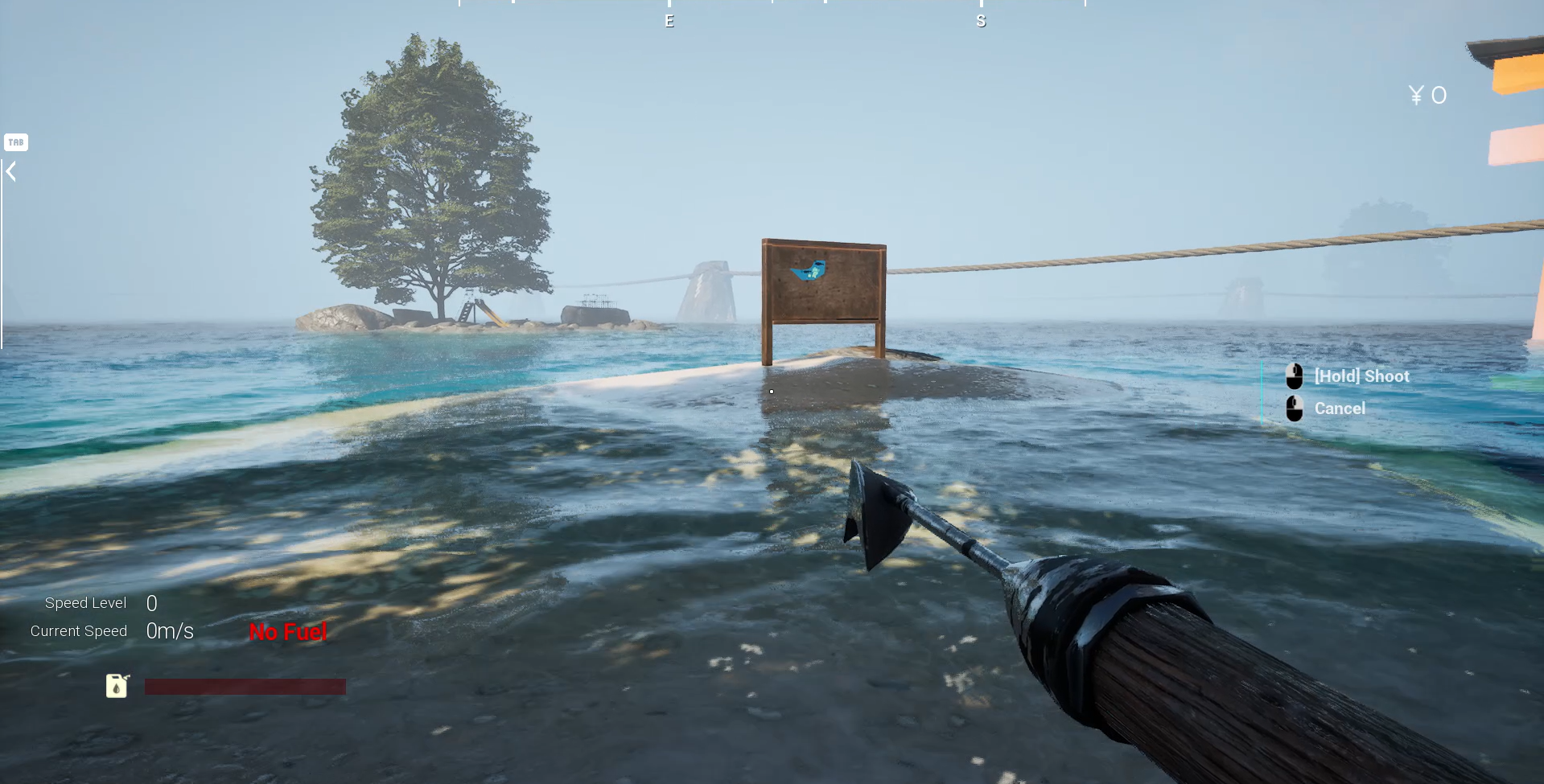
A calm fishing game slowly turns into ritual horror the moment you realize thins are way different than just simple fishing
QUICK SNAPSHOT
Developer: Chilla’s Art
Genre: Psychological Horror / Exploration / Fishing Horror
Platform: PC (Steam)
Playtime So Far: Roughly 1 hour
Full Game Length: Estimated 2–4 hours
Available: Out now on Steam
Steam Page: UMIGARI | ウミガリ on Steam
KEY TAKEAWAYS
- The fishing loop creates psychological safety before the horror starts.
- The game uses ritual behavior instead of constant chase sequences.
- Environmental contrast does most of the heavy lifting.
- One early scene genuinely made me stop and stare in confusion.
- Less focused on hardcore scares and more focused on lingering unease and surreal horror.
FIRST IMPRESSIONS
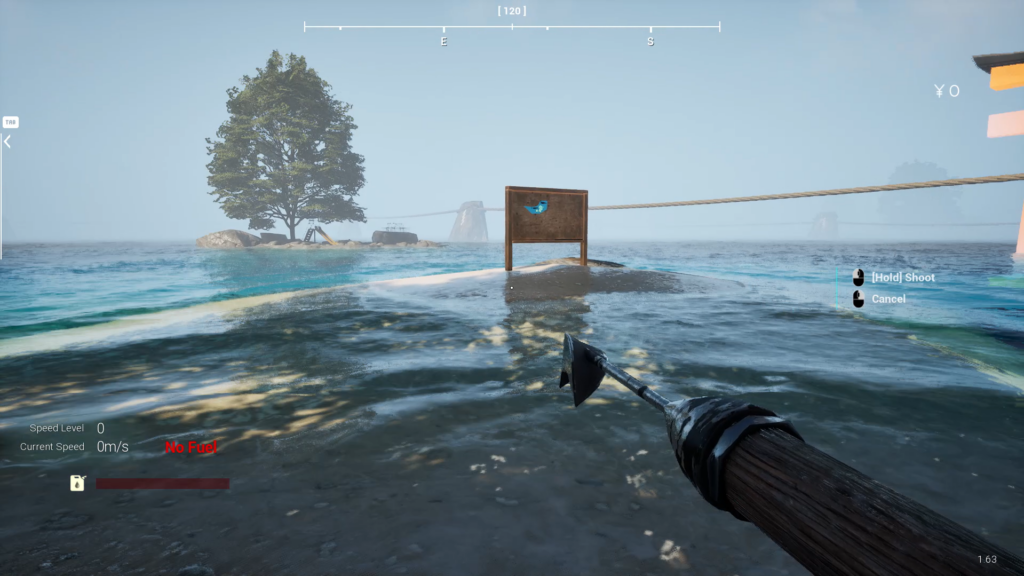
The first thing UMIGARI teaches you isn’t fear. It’s routine, dark spaces, and unexpected moments. Like somebody seemed normal but then saying and behaving weird. That kind of thing.
From the start, the game is surprisingly calm.
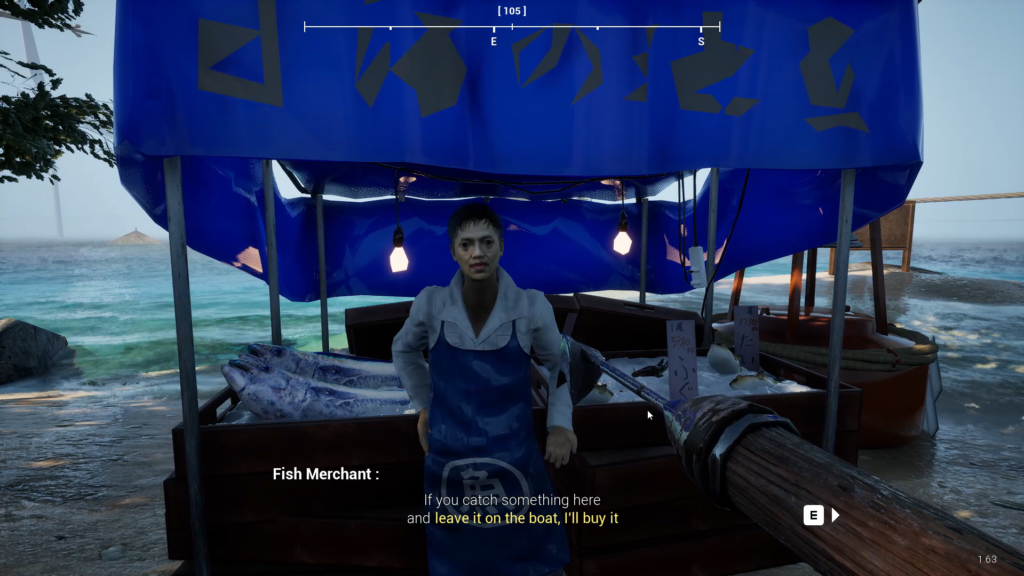
You spend your early time out on inlets and open water harpooning fish, bringing them back to the fish merchant, selling them, refueling your boat, and gradually learning how navigation works. The ocean is bright, and the weather is mostly clear. The water itself almost looks relaxing at times.
That calmness matters.
Slowly the game trains your brain into routine before it twists that routine against you.
At first, the game feels mundane. Not boring mind you, just mundane in the intentional sense. You begin understanding islands, routes, fishing spots, and movement rhythms. Then the game quietly introduces spiritual imagery into the environment.
Large torii gates stand out in the middle of open water. Thick sacred ropes hang between structures with shide on them. Even before the horror fully appears, the game keeps visually reminding you that these waters are tied to something supernatural.
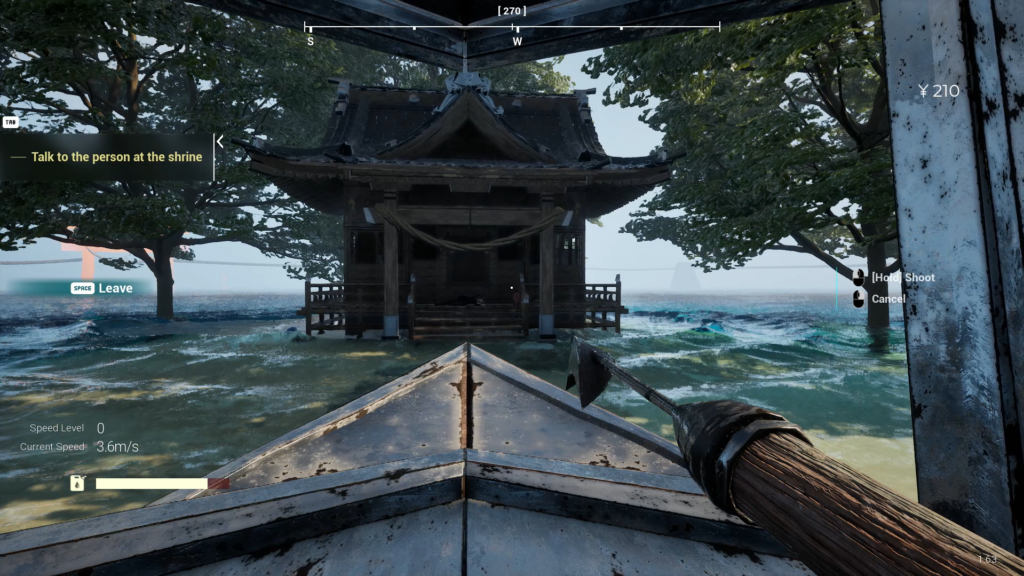
The first major tension spike for me happened once I was told to visit a shrine.
Seeing it in the distance immediately changed the mood. The contrast was sharp. Everything around the ocean was open, bright, and breathable. Then this shrine sat beneath trees looking sodden, dark, old, and abandoned.
I genuinely hesitated before leaving the boat.
That hesitation is important because the game earned it naturally instead of forcing it through music stingers or scripted scares.
THE GAMEPLAY LOOP
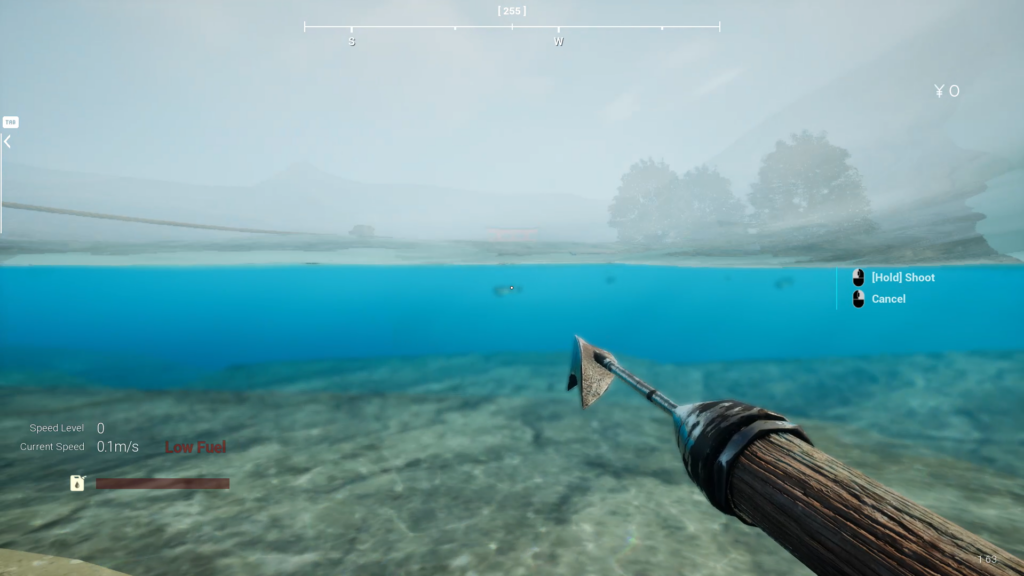
The core loop is straightforward for me so far.
You travel between islands by boat, harpoon fish, sell them for money, refuel, and gradually explore further into the surrounding waters. Upgrades improve your ability to travel faster and hunt better.
Mechanically, the harpoon system is simple but effective. You line up shots manually and time throws carefully while fish move beneath the water.
It gives the game a deliberate pace rather than turning the fishing into a mindless resource grind. I suggest playing with keyboard and mouse.
That slower pacing is what allows the atmosphere to engross you.
The exploration structure also works well because the ocean itself becomes uncertain territory. Open water normally feels freeing in games. Here, it slowly starts feeling isolating.
The farther you move from the merchant island, the more the game starts suggesting that the ocean itself has rules you do not fully understand yet.
And UMIGARI constantly reinforces those rules through objects like bells, gates, shrines, shells with images.
THE ATMOSPHERE
This is where UMIGARI becomes genuinely effective, as the game weaponizes contrast.
Bright water against dark structures and calm sailing against sudden silence makes you feel uneasy in a subtle way.
The shrine sequence especially stuck with me because it visually felt wrong the second I approached it. The old wood looked soaked and decayed. The surrounding trees blocked light in a way that made the space feel colder than the rest of the world.
Then I encountered a female lying on the shrine porch. Her behavior completely changed the tone.
She seemed emotionally drained and talked about a curse, missing objects needed to open the shrine, and fear of Umigari itself. She already sounded like somebody who believed she was doomed.
So, when I agreed to take her back to the fish merchant, my brain immediately categorized her as a survivor character.
Then the game broke that expectation.
During the boat ride back, I turned for a second and watched her suddenly throw herself backward into the ocean.
Honestly, I didn’t react with fear just confusion.
Because the game established a contradiction:
- she feared the curse
- feared Umigari
- yet willingly entered the water herself
That broke the survival logic of the scene. My brain stopped trying to survive the horror and instead tried understanding it.
A psychological tension like that was the moment UMIGARI fully clicked for me.
SOUND DESIGN
The audio design is restrained in a smart way.
A lot of the game is just water movement, engine noise, wind, and environmental ambience. Because the soundscape stays relatively grounded, smaller audio details become more noticeable.
The bell itself becomes psychologically important.
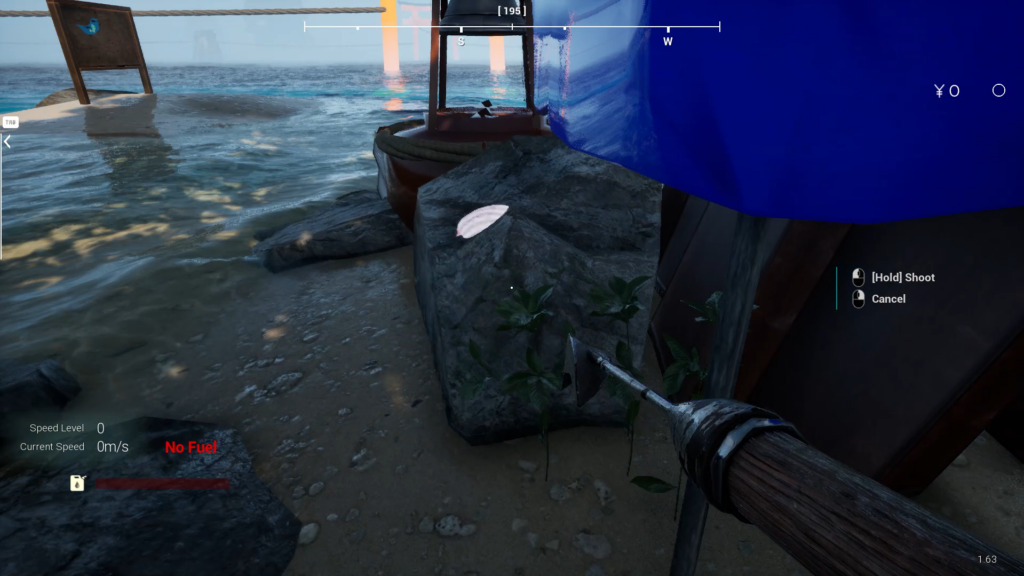
The fish merchant later explains the bell and hangs on a buoy near the torii gate to ward Umigari off. Suddenly, sound part of survival behavior.
You end up respecting ritual actions instead of simply reacting to monsters.
WHEN IT CLICKS
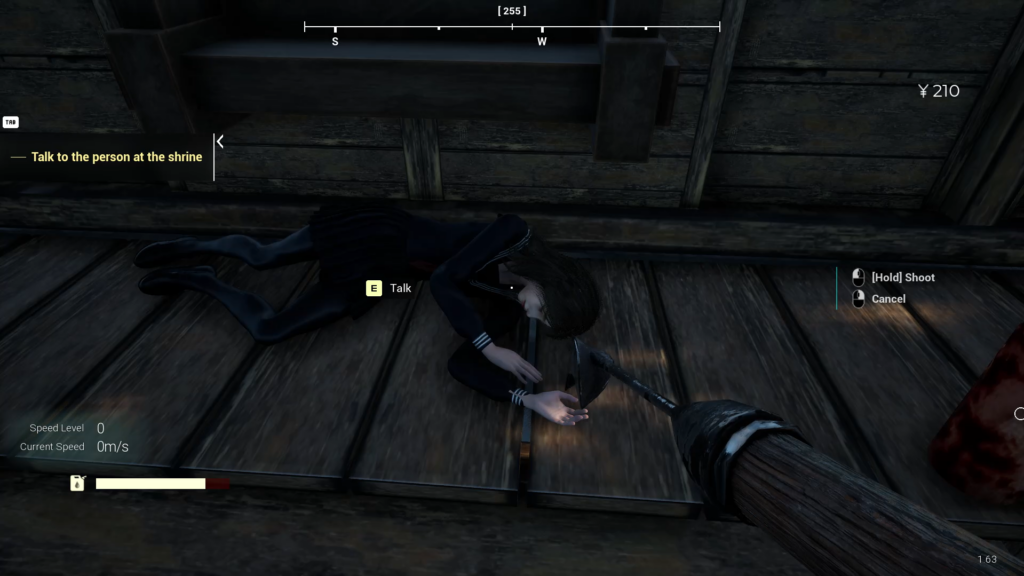
The exact moment UMIGARI clicked for me was not during a chase sequence. It was after the girl disappeared.
I just sat there staring at the water trying to process what happened.
That is the kind of horror reaction I personally value more than loud jumpscares.
The scene interrupted behavioral logic enough that I stopped processing normally for a second.
Then later, while attempting to reach the school area beyond the torii gate, I missed striking the protective bell and encountered Umigari directly.
I died almost immediately.
That moment reinforced the game’s underlying structure:
- rules matter
- ocean has boundaries
- ignoring them has consequences
The horror becomes stronger because it feels rule-based rather than random.
WHAT DIDN’T WORK
There are a few rough edges so far.
The pacing may feel too slow for players expecting constant horror escalation. The game spends a long time building routine before delivering stronger supernatural moments.
Some players will probably bounce off the fishing loop entirely.
Movement and traversal can also occasionally feel a little stiff during longer boat travel sections. The open water atmosphere works, but there are moments where travel distance slightly drags pacing.
And if you are expecting nonstop scares, UMIGARI is probably not trying to be that type of horror game at all.
But honestly, I think that restraint helps the game more than it hurts it.
FINAL THOUGHTS
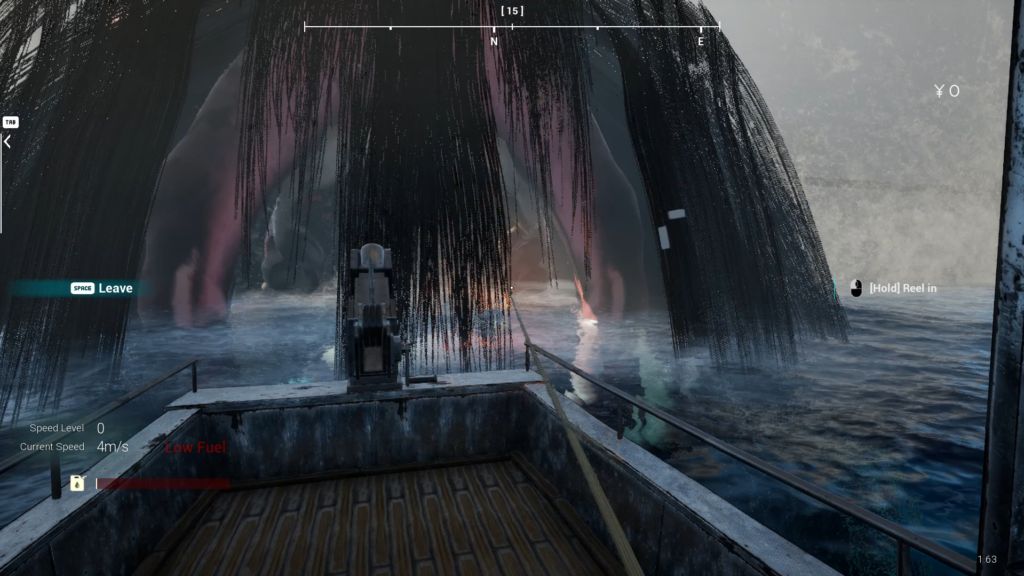
So far, UMIGARI feels more like Lovecraftian unease layered onto a fishing exploration game.
The horror works because the game rarely forces it. Instead, it trains you into routines before making those routines feel spiritually contaminated.
The strongest moments are where your brain pauses trying to understand why characters behave the way they do.
That lingering confusion is where the tension lives.
If the rest of the game successfully builds on that atmosphere and logic, UMIGARI could end up being one of Chilla’s Art’s more unique projects.
Especially for players who prefer:
- slow-burn horror
- environmental storytelling
- ritual symbolism
- psychological unease over nonstop chase sequences
WATCH THE FULL PLAYTHROUGH
Steam Page:
UMIGARI | ウミガリ Steam Page
Wishlist / Follow / Support the developers if ritual horror and slow-burn exploration are your thing.
If you want another bright indie game with dark tones, check out Trees Hate You. Want a more horror themed demo, take a look They Not Fae!.
If you enjoy indie horror breakdowns like this, follow Gravenox Horror Gaming, and trust me to explore horror so you don’t have to.

Nero is a writer and lore researcher known for reviewing games on Steam. With years of experience playing horror games, uncovering hidden narrative patterns across indie and AAA titles, and publishing museum catalogs on ancient objects, he blends commentary with psychological horror theory. When he’s not unraveling storylines, he’s enjoying rock music, drawing, working in analytics or obviously playing video games. Check out his latest post to explore the furtive patterns hidden in game lore.