Skip to content

Teeth Cutter Thriller Game Review: Creepy Date & Factory

This thriller game builds tension through everyday systems like dating and factory work but slowly breaks that tension by making survival itself feel like a spreadsheet you’re losing at.

QUICK SNAPSHOT

Developer: Phillip Hubbard
Genre: Indie horror / narrative thriller game
Platform: PC (indie release context)
Price: $6.99 as of this post
Playtime: under 30 minutes
Worth Playing?: Yes, if you like psychological pressure more than traditional scares

KEY TAKEAWAYS

  • Tension builds through social interaction and economic pressure systems
  • These thriller games collapse comfort by turning normal life loops into horror mechanics
  • The black small spider moment reframes attention itself as danger
  • Games with pixel graphics style presentation makes the discomfort feel “detached but intimate”
  • Strong conceptual horror, but tension sometimes resets too sharply between segments

FIRST IMPRESSIONS

You don’t boot up Teeth Cutter expecting it to behave like a traditional horror experience. It looks and feels like a retro video game, leaning into that stripped down presentation that games with pixel graphics often use to hide how psychologically dense they actually are.

And this part 3 of my review/playthrough series makes that clearer than ever.

Instead of escalating into monsters or combat systems, this thriller game shifts into two completely human situations.

A creepy date that slowly becomes surveillance horror, and a factory job that turns financial survival into mechanical punishment

That contrast is where the tension starts forming. You’re being evaluated, constantly.

This is also where the game stops feeling like isolated horror scenes and a connected system of pressure.

THE GAMEPLAY LOOP

The loop is the same like the other games: interaction to interpretation to pressure increase to consequence.

In “Odd Date,” the loop is social:

  • talk
  • observe
  • misinterpret threat level
  • realize too late what matters

In “Factory,” the loop is economic:

  • work
  • optimize performance
  • balance survival needs
  • slowly lose stability anyway

At first, this feels like it builds tension cleanly. These thriller games give you control surfaces like dialogue choices, job performance precision, and financial decisions

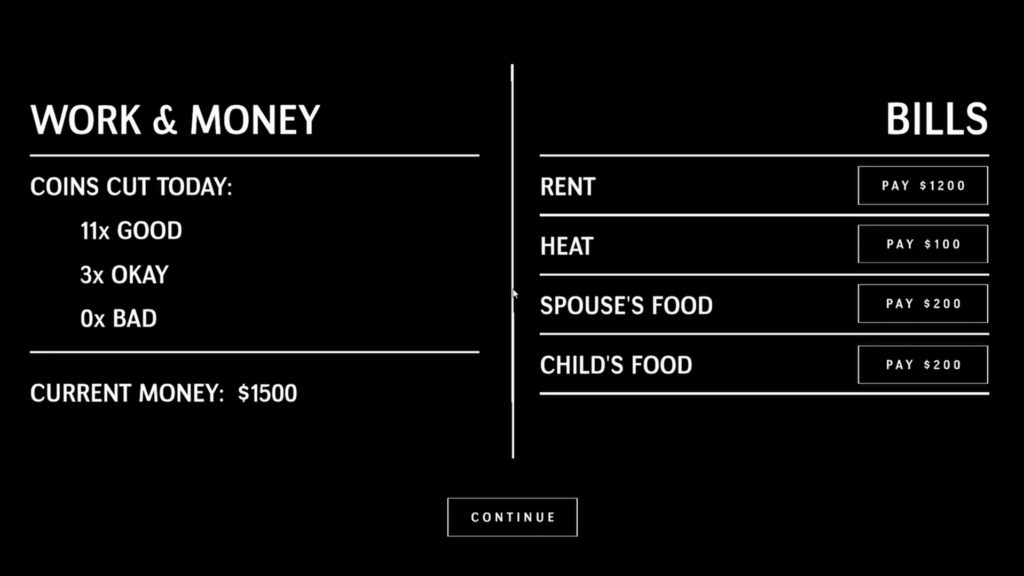
But the deeper you go, the more obvious it becomes. This is especially true for “Factory,” as I felt relatability to working a job you hate.

I distinctly recall working in customer service and handling bottle returns in back like a factory assembly, sorting bottles from one bin to another. To then, me, returning home with barely enough to eat after expenses.

So, once this system is understood, tension just changes shape. It becomes predictive instead of reactive as if you know the exact outcome.

And that’s where the game gets uncomfortable.
THE ATMOSPHERE

This is where the thriller game quietly does most of its damage.

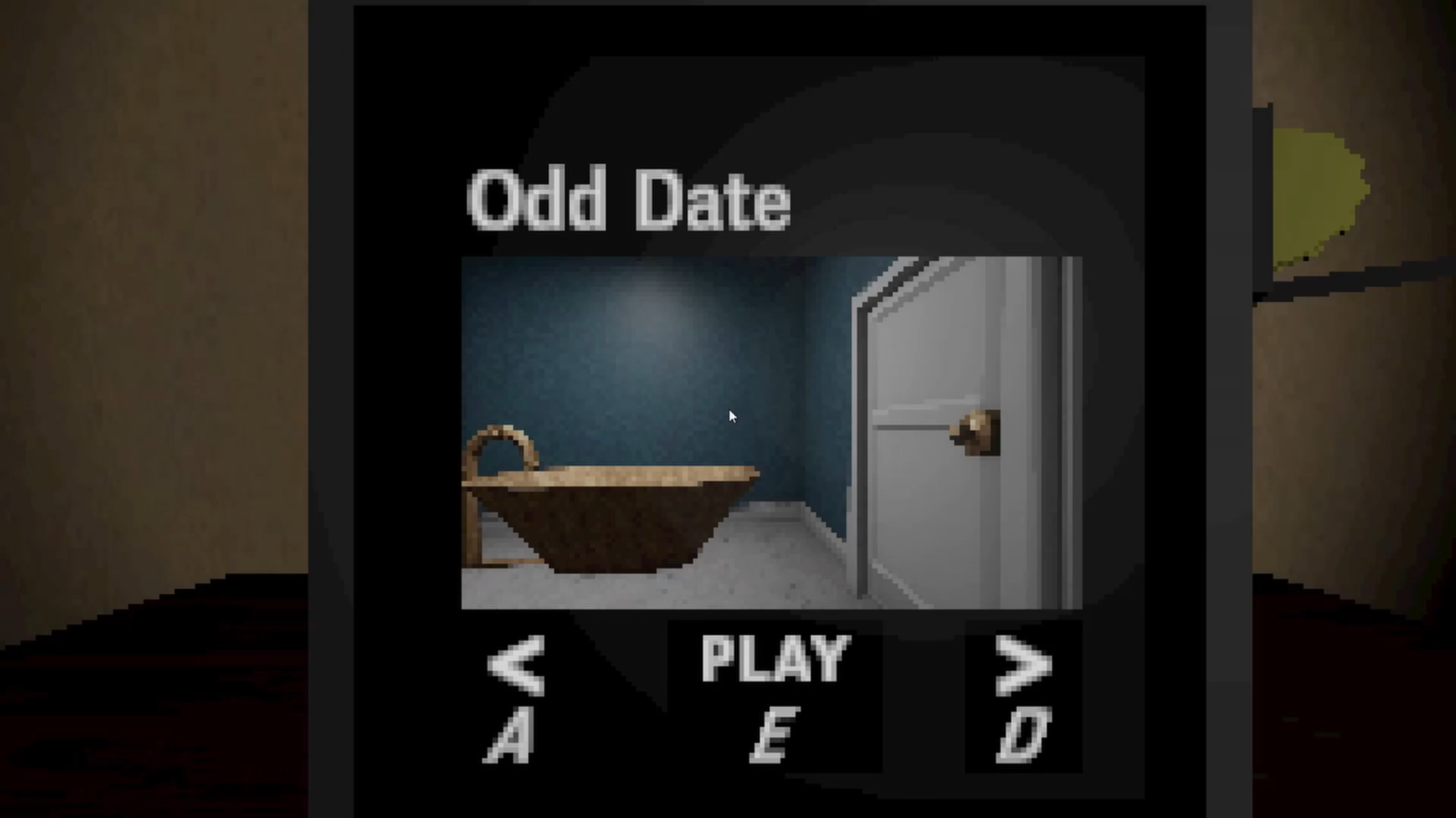
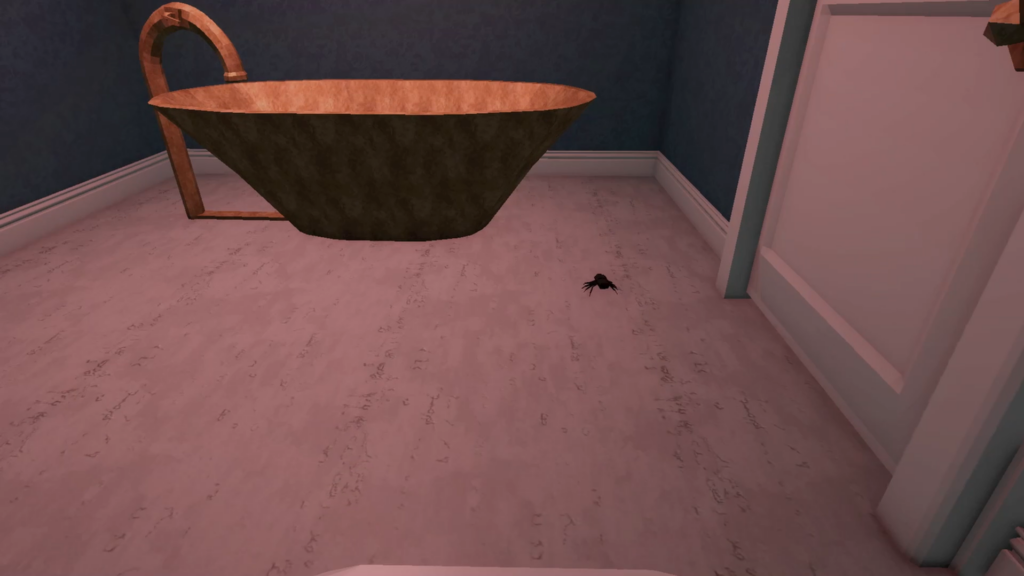
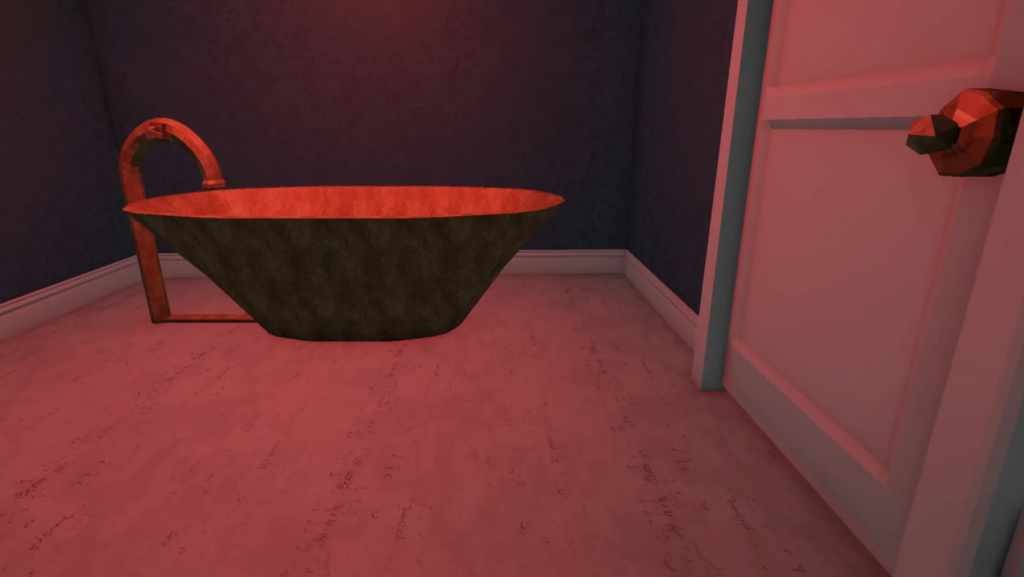
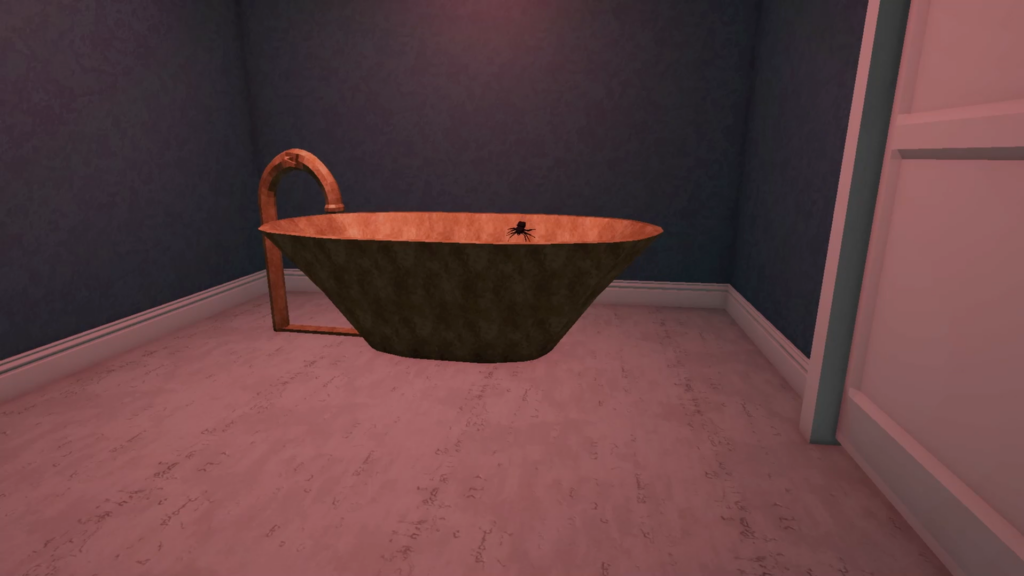
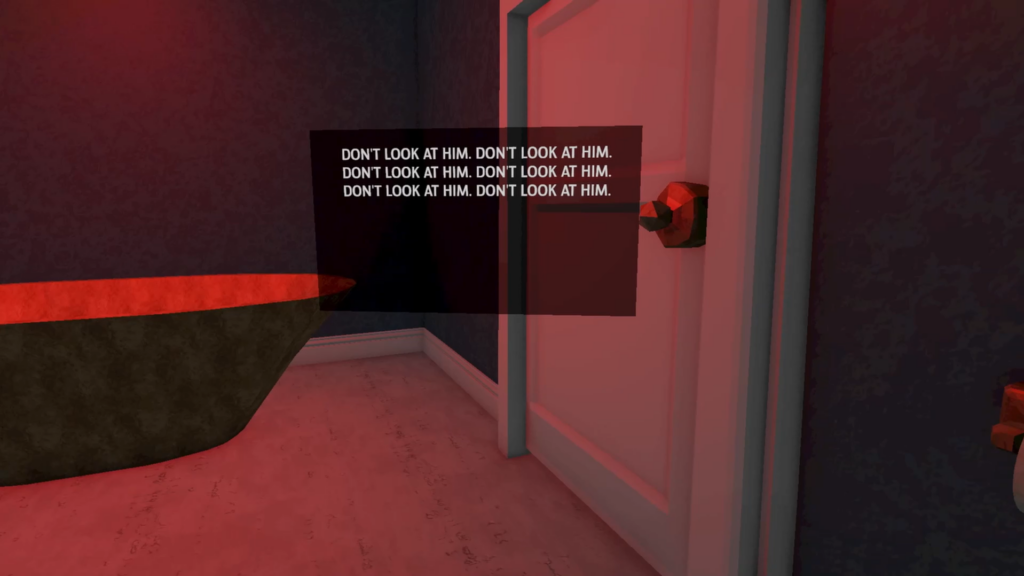
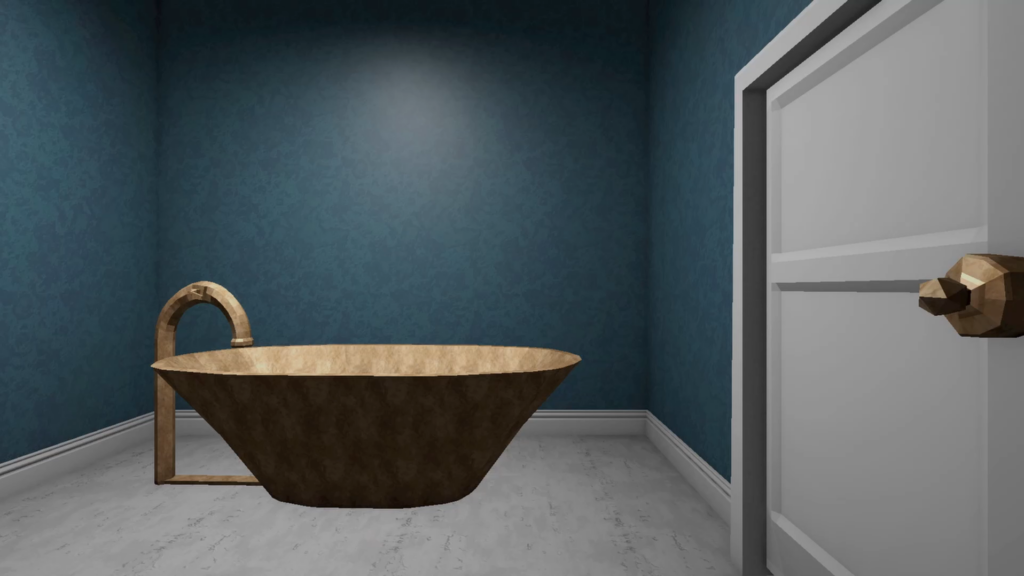
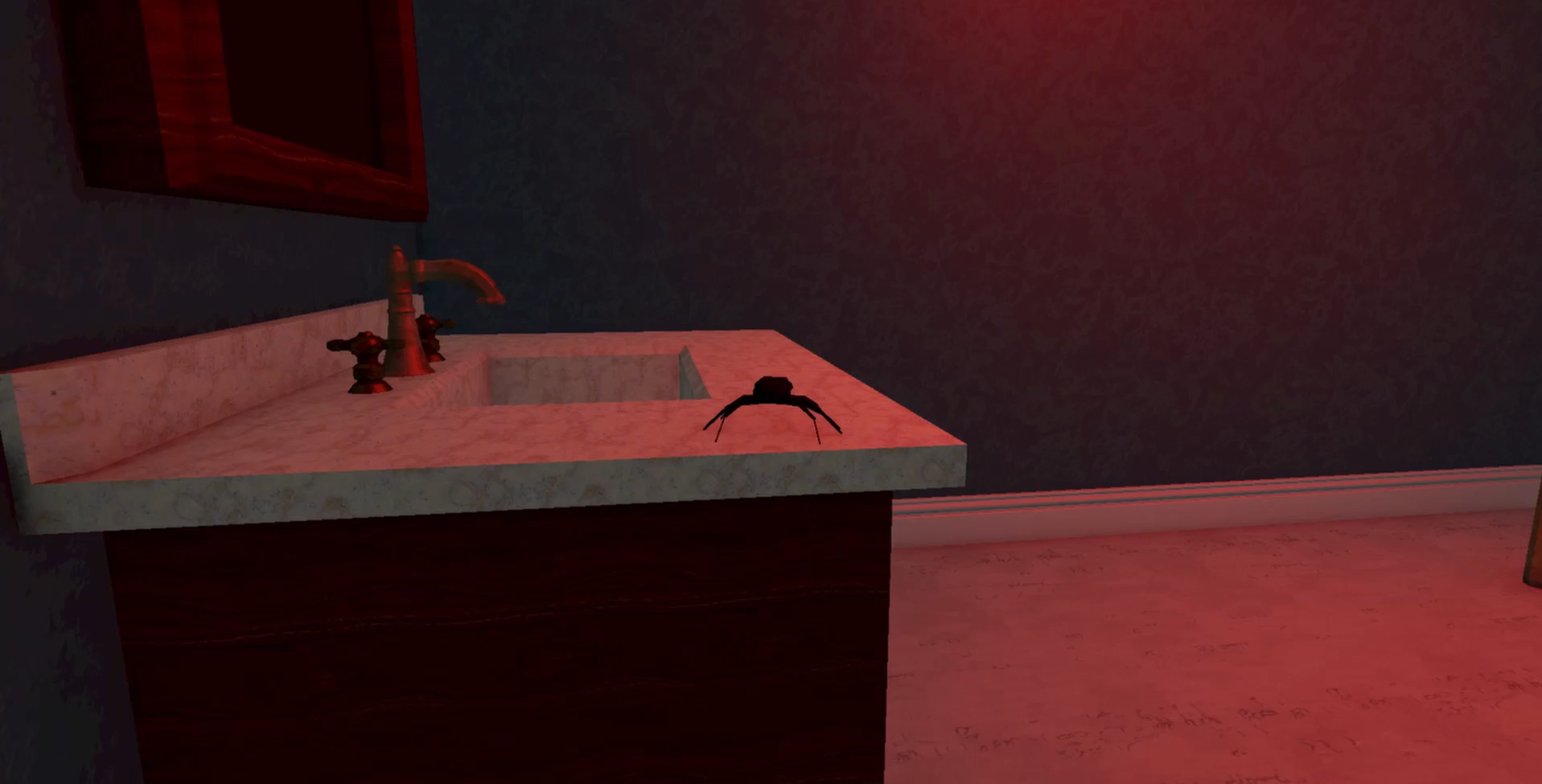
Odd Date submerges us in bathroom isolation, red lighting creep-in, silence punctuated by knocking, and a black small spider moving like it’s “deciding” when you notice it

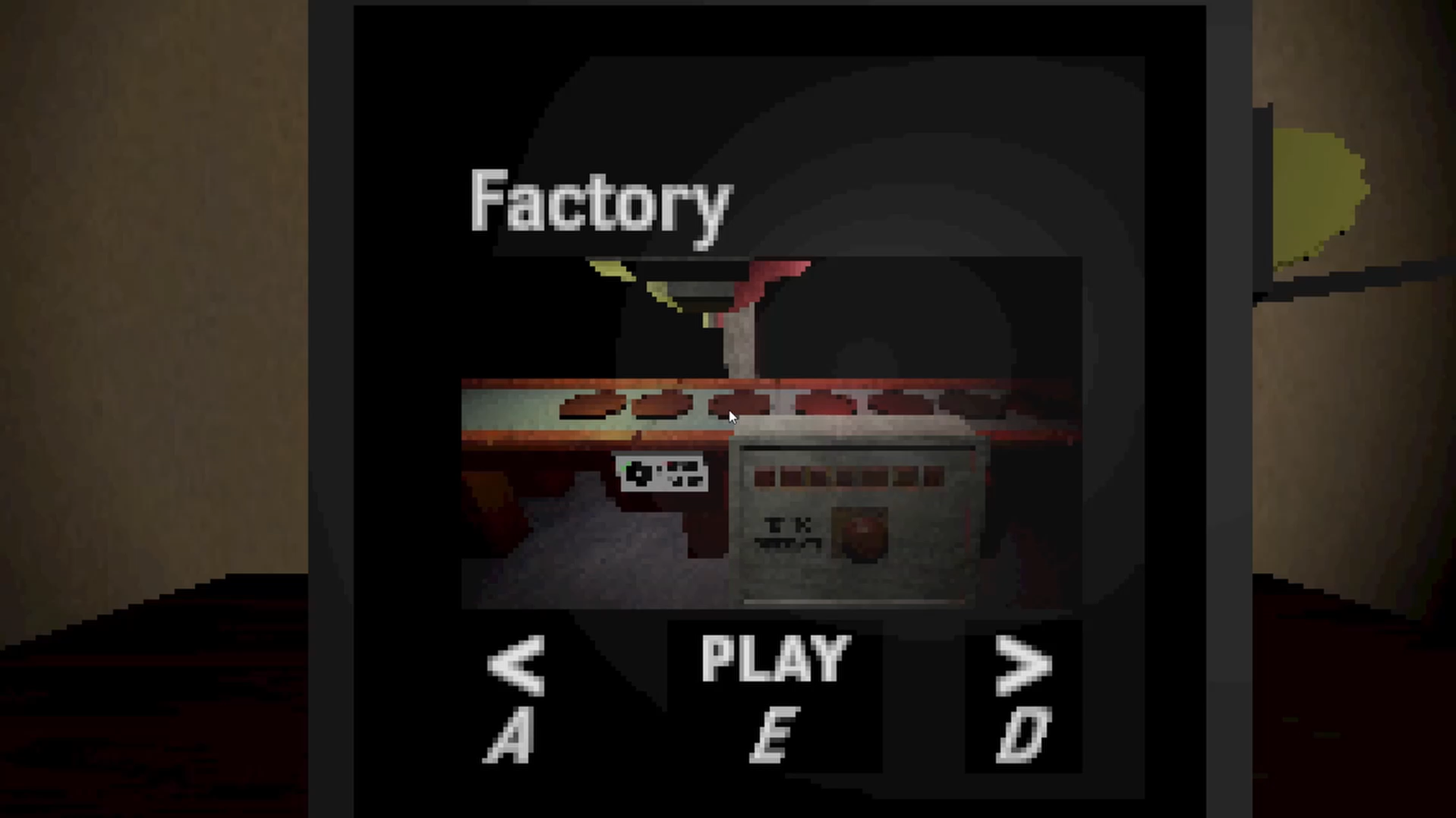
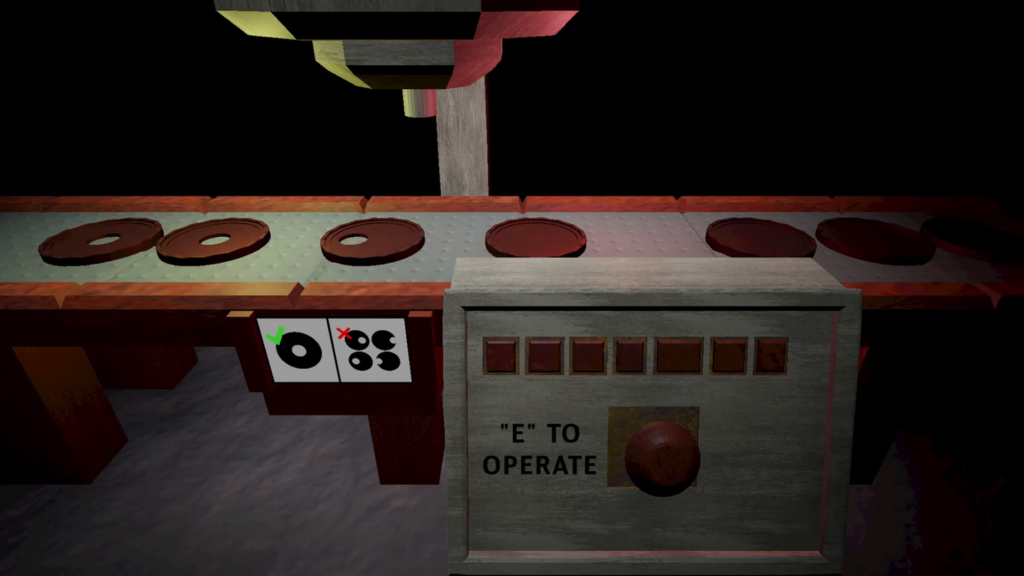
Factory assigns us to repetitive industrial rhythm, UI-like life tracking (rent, food, heat), emotional flattening through numbers, and environmental paranoia (“eyes watching”)

Games with pixel graphics often rely on abstraction, but here that abstraction becomes a filter for anxiety. You’re seeing interpretation space and that space is where fear grows.

The creepy date segment in “Odd Date” works specifically because it feels normal. The bathroom isn’t scary until attention locks onto it. Then it becomes impossible to unsee.

That shift is the core atmospheric trick of this thriller game.

SOUND DESIGN

Sound is doing more psychological work than visual design here.

Silence is constantly weaponized, especially in Odd Date. The knocking: becomes a pacing tool, not just an event

In Factory, the ambience is mechanical repetition replacing emotional rhythm. The audio absence is often more threatening than presence.

These thriller games use sound to force hesitation. You move forward because silence becomes intolerable.

Likewise, the black small spider sequence is especially effective because it’s nearly quiet. That lack of sound, aside from the ticks of it moving, turns movement into uncertainty. You start listening more than looking.

This is where tension builds from expectation of noise that never arrives.

WHEN IT CLICKS

There’s a moment where the structure becomes obvious, as you’re surviving systems.

A creepy date is not about the spider. The factory job is not about work

It’s all about how quickly meaning collapses under repetition and pressure.

You start behaving differently like slowing down interactions, second-guessing dialogue, treating every object as a potential trigger, and reading systems instead of scenes.

WHERE IT BREAKS

The tension doesn’t always hold its shape cleanly.

With Odd Date, the spider jump feels like a release valve. Once revealed, it becomes less psychological and more mechanical.

As for Factory, the escalation of consequences can feel mathematically predictable and paranoia shifts from earned to scripted.

This is where thriller games sometime struggle. Once you see the system, fear becomes anticipation rather than surprise.

Tension becomes readable as outcomes become expected. So, emotional uncertainty decreases.

Even in games with pixel graphics, predictability is still the fastest way to flatten fear.

WHAT DIDN’T WORK

  • The economic system in Factory can feel too transparent, which reduces emotional ambiguity
  • Odd Date’s ending pivot into jump resolution weakens slow-burn tension
  • Repetition of pressure systems risk emotional desensitization
  • Limited variation in consequence feedback loops

That said, none of these break the experience, they just expose how fragile tension is when systems become legible.

THE ENDING (NO SPOILERS)

These thriller games compress tension into consequences that feel inevitable once you understand the rules.

With things like thematic consistency across both scenarios and emotional exhaustion as a design endpoint work very well.

However, what doesn’t fully land is the payoff clarity sometimes lags build up. Plus, emotional resolution is intentionally minimal, but still feels abrupt in places.

FINAL THOUGHTS

These thriller games in Teeth Cutter are trying to make you live inside systems that quietly punish attention, interpretation, and survival planning.

It builds tension through a creepy date that turns observation into danger, and a factory job that turns life into arithmetic dread.

But it also weakens itself slightly when those systems become too readable.

So, the fear it builds through systems that quietly teach you that every choice is already being calculated against you, works in a minigame environment as this game presents.

WATCH THE FULL PLAYTHROUGH

If you’re into pixel graphic games with thriller elements, Teeth Cutter is worth your time.

If you want more horror stories, check out Teeth Cutter Part 2 here, or step into the isolating and sometimes close-to-home horror of Teeth Cutter Part 1 here.

If you enjoy indie horror breakdowns like this, follow Gravenox Horror Gaming, and trust me to explore horror so you don’t have to.