Teeth Cutter builds tension by weaponizing uncertainty—but its strongest stories aren’t about monsters. They’re about what happens when the truth is worse than what you imagined.
QUICK SNAPSHOT
Developer: Phillip Hubbard
Genre: Horror Anthology / Psychological Horror
Platform: PC
Price: $6.99 USD
Playtime: Roughly 2–4 hours for the full anthology
Worth Playing?: If you enjoy short horror that experiments with different fears rather than repeating the same scare formula.
KEY TAKEAWAYS
- Tension builds through uncertainty and incomplete information.
- Each story explores a different type of fear instead of relying on one horror theme.
- The strongest scenarios focus on psychological dread rather than jumpscares.
- The anthology succeeds when it lets the player’s imagination fill the gaps.
- Some stories feel more like horror concepts than fully developed experiences, but the best ones linger afterward.
FIRST IMPRESSIONS
Fear often begins with a simple question….
What if someone is inside your house?
What if faith leads somewhere it shouldn’t?
What if the person who hurt you most was far worse than you ever realized?
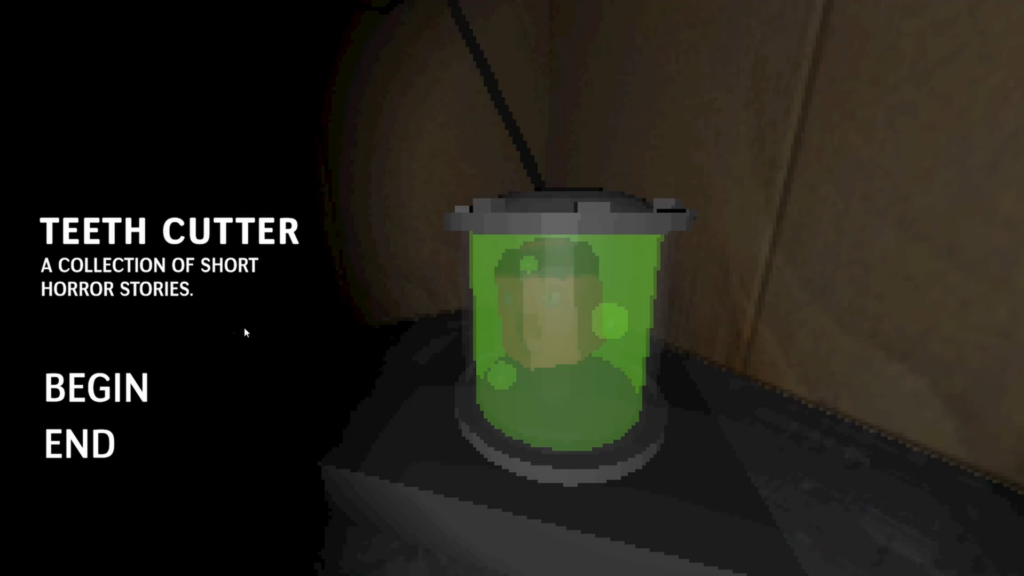
Teeth Cutter is an indie horror game that builds its horror around questions like these, using short stories to explore the uncomfortable space between suspicion and certainty.
That idea sounds straightforward on paper, but it creates a surprising amount of variety. One moment you’re investigating a church hiding something impossible beneath it. The next, you’re dealing with a home invasion. Then you’re reconstructing the memories surrounding an abusive father.
The pacing is intentionally fast because every scenario needs to establish its premise, build tension, and deliver a payoff within a short runtime.
Sometimes that limitation works in the game’s favor. Other times it leaves me wanting more. But when Teeth Cutter clicks, it wastes little time getting under your skin.
THE GAMEPLAY LOOP
The loop is simple where you explore, read clues (sometimes), discover the truth, and experience the consequence.
For the first three stories, the gameplay itself remains relatively straightforward. The tension comes from information rather than solving elaborate puzzles or mastering difficult mechanics.
You know something is wrong; you just don’t know what. It’s this uncertainty that drives each scenario forward.
The home invasion story builds tension because every step inside the house feels dangerous.
The church story builds tension because the notes raise more questions than it answers.
The father story builds tension because each revelation changes how you understand the people involved.
From these, we can see that narrative is the focus; the mechanics rarely are.
THE ATMOSPHERE
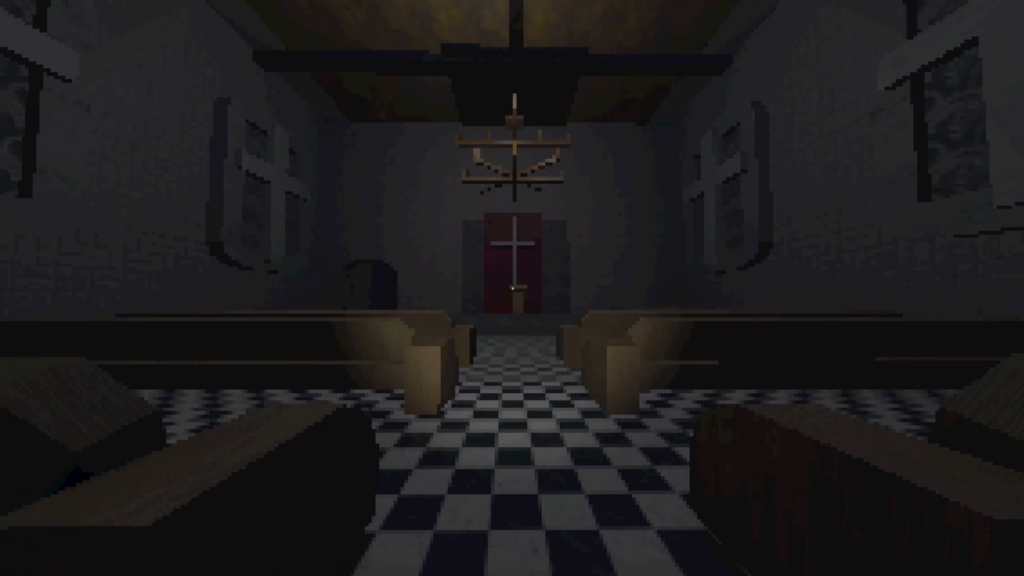
This is where Teeth Cutter shines.
Lighting
The game understands how much darkness matters. It’s the kind of darkness where your brain starts imagining possibilities.
In Intruder, the mere act of seeing the lights go out immediately transforms a familiar home into hostile territory.
Space
The environments are small and purposeful.
The church scenario was easily the standout for me. As what begins as a seemingly normal investigation slowly descends into something that feels detached from reality.
The deeper you travel beneath the church, the more the environment stops acting like a physical place and starts feeling like a liminal nightmare.
Environment
The strongest locations create questions like Who built this? Why is this here? Should I really keep going?
Those questions carry the horror far more effectively than constant scares.
SOUND DESIGN
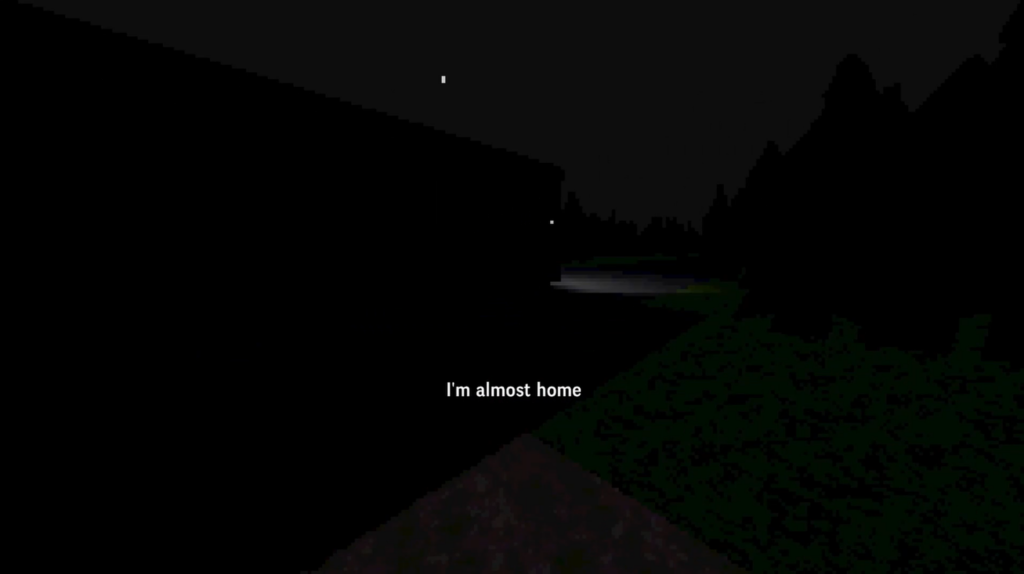
The game rarely relies on loud audio stingers to force a reaction. Rarely it does, but it does utilize silence effectively.
What begins as religious horror gradually transforms into cosmic horror, with each note revealing a reality far stranger than expected.
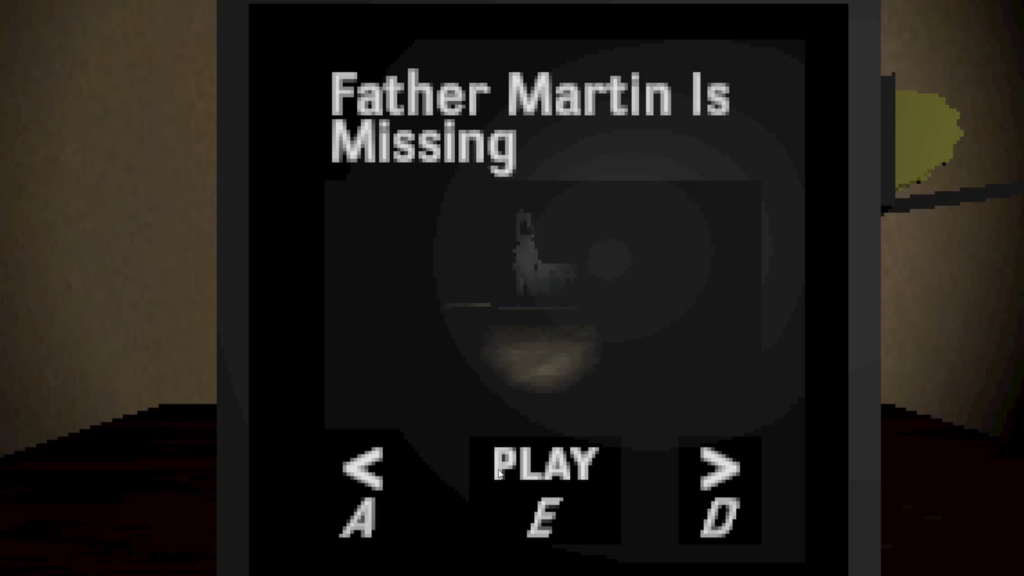
In Father Martin Is Missing, long stretches of exploration create a growing sense that you’re moving toward something you won’t understand until it’s too late.
The distant empty spaces and lack of reassurance all contribute to that feeling.
Meanwhile, Intruder benefits from the opposite approach.
Sounds suddenly feel important because you’re convinced somebody is inside the house.
You start listening differently and become cautious at whispers.
That’s exactly what horror should do.
WHEN IT CLICKS
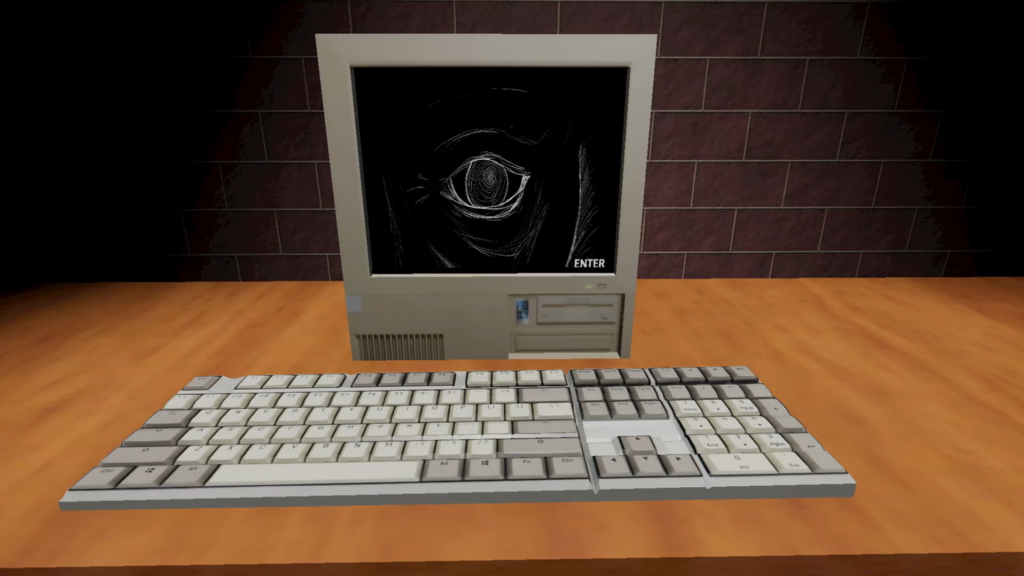
There is a moment in each of these three stories where your behavior changes.
In Intruder, you stop confidently exploring and start clearing rooms.
In Father Martin Is Missing, you stop treating the investigation as a mystery and start wondering whether you should continue.
In Terminal, you stop observing the story and start dreading what you’re about to learn.
That’s when the game works, as the fear comes from your expectations.
You become an active participant in your own discomfort.
THE THREE STORIES
Intruder (Scelerophobia)
This was probably the biggest surprise; for the setup is simple.
You arrive home and immediately see evidence that somebody has entered your house. The game plays directly into your assumptions.
Everything points toward a home invasion, and what follows is a tense sequence that culminates in a darkly ironic twist.
What makes the story memorable is the realization that fear can distort judgment.
The scenario asks an uncomfortable question. What if your fear makes you the danger?
Father Martin Is Missing (Ecclesiophobia)
This was my favorite of the three because the premise starts as a missing person investigation involving a priest.
Soon, it quickly evolves into something stranger. Notes scattered throughout the environment document Father Martin’s growing obsession with a hidden discovery beneath the church.
One note after the other pushes him further away from reason.
The deeper you descend, the more the game abandons conventional religious horror and enters cosmic horror territory.
The final reveal lands because it transforms faith itself into something terrifying.
Terminal (Patraphobia)
This is the story that stayed with me the longest.
Unlike the other two, there are no hidden dimensions or supernatural entities.
Just people, a son, a father, and the horrifying truths buried between them.
As the investigation unfolds, the father’s history becomes increasingly disturbing with abuse, violence, obsession, and cruelty.
The story slowly shifts from fear of the father to fear of inheritance. Fear that damage can spread from one generation to the next.
The ending is brutal because it feels emotionally earned.
WHAT DIDN’T WORK
The anthology format has a lot of strengths and a weakness.
Some scenarios end right when they become most interesting. Others rely heavily on written notes and environmental storytelling, which won’t work for everyone.
I also found myself wishing certain concepts had more room to breathe. For instance, the church story in particular could easily support a larger standalone game.
That’s not necessarily a criticism. It’s more a reflection of how compelling some of these ideas are.
THE ENDING (NO SPOILERS)
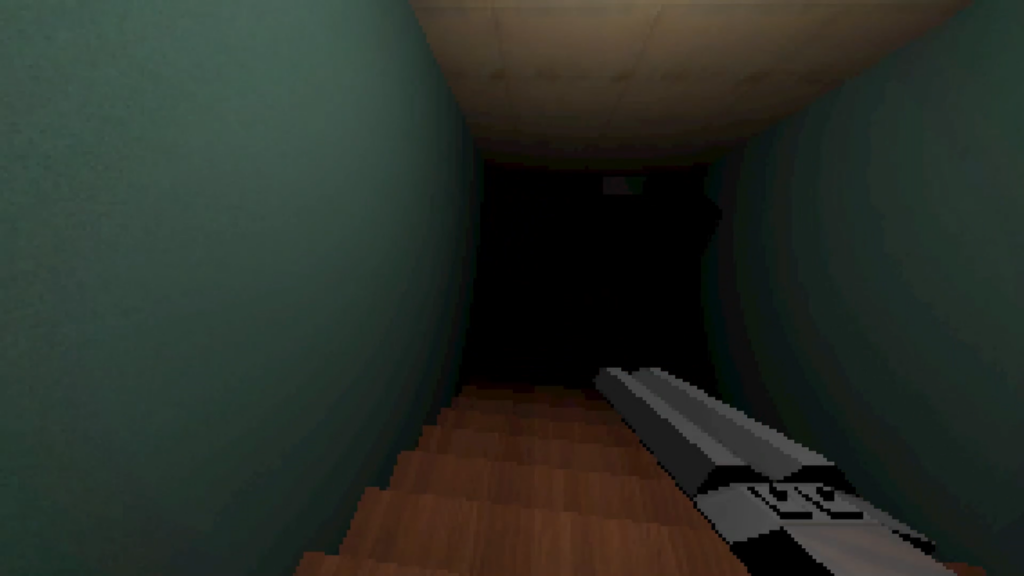
The endings for these first three stories generally deliver on the tension they build.
None of them rely solely on a final jumpscare. Instead, they focus on revelation.
You’re learning the truth, understanding what happened, and realizing your assumptions were wrong.
That’s a much harder type of horror to pull off, and for the most part, Teeth Cutter succeeds.
FINAL THOUGHTS
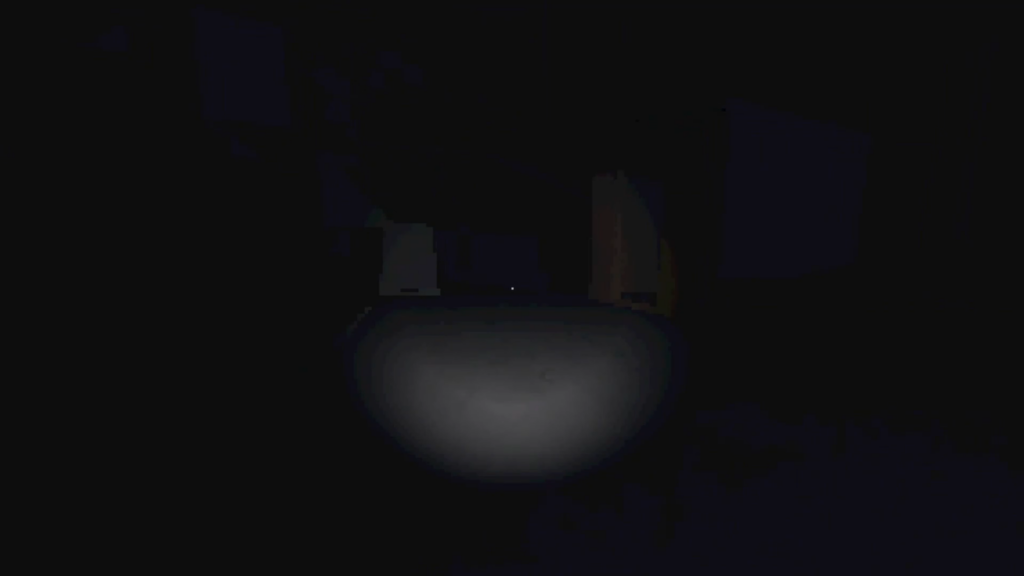
As a psychological horror game, Teeth Cutter succeeds because it focuses less on monsters and more on uncertainty, making this horror anthology game memorable.
The strongest stories are scary because they force you to rethink what you believed was happening.
The home invasion story explores how fear distorts judgment. The church story explores the terror of forbidden knowledge. Additionally, the father story explores the scars left behind by abuse.
Three different fears and three different approaches. And three reminders that the most effective horror often begins long before the monster appears.
Score (First Three Stories)
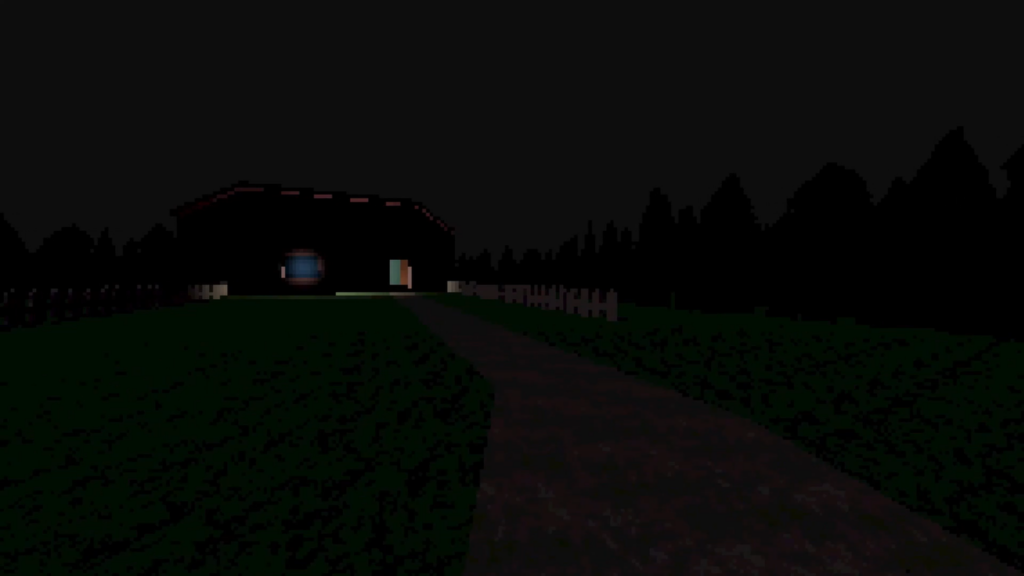
8/10
Not every idea receives enough time to fully develop, but the anthology’s best stories prove that short-form horror can still leave a lasting mark
WATCH THE FULL PLAYTHROUGH
If you’re looking for an indie horror anthology that experiments with different forms of fear instead of repeating the same formula, Teeth Cutter is worth checking out.
If you want more tense moments, check out Psalm 2 demo here, or step into the supernatural nightmare of Escape Camp Stranded here.
If you enjoy indie horror breakdowns like this, follow Gravenox Horror Gaming, and trust me to explore horror so you don’t have to.

Nero is a writer and lore researcher known for reviewing games on Steam. With years of experience playing horror games, uncovering hidden narrative patterns across indie and AAA titles, and publishing museum catalogs on ancient objects, he blends commentary with psychological horror theory. When he’s not unraveling storylines, he’s enjoying rock music, drawing, working in analytics or obviously playing video games. Check out his latest post to explore the furtive patterns hidden in game lore.