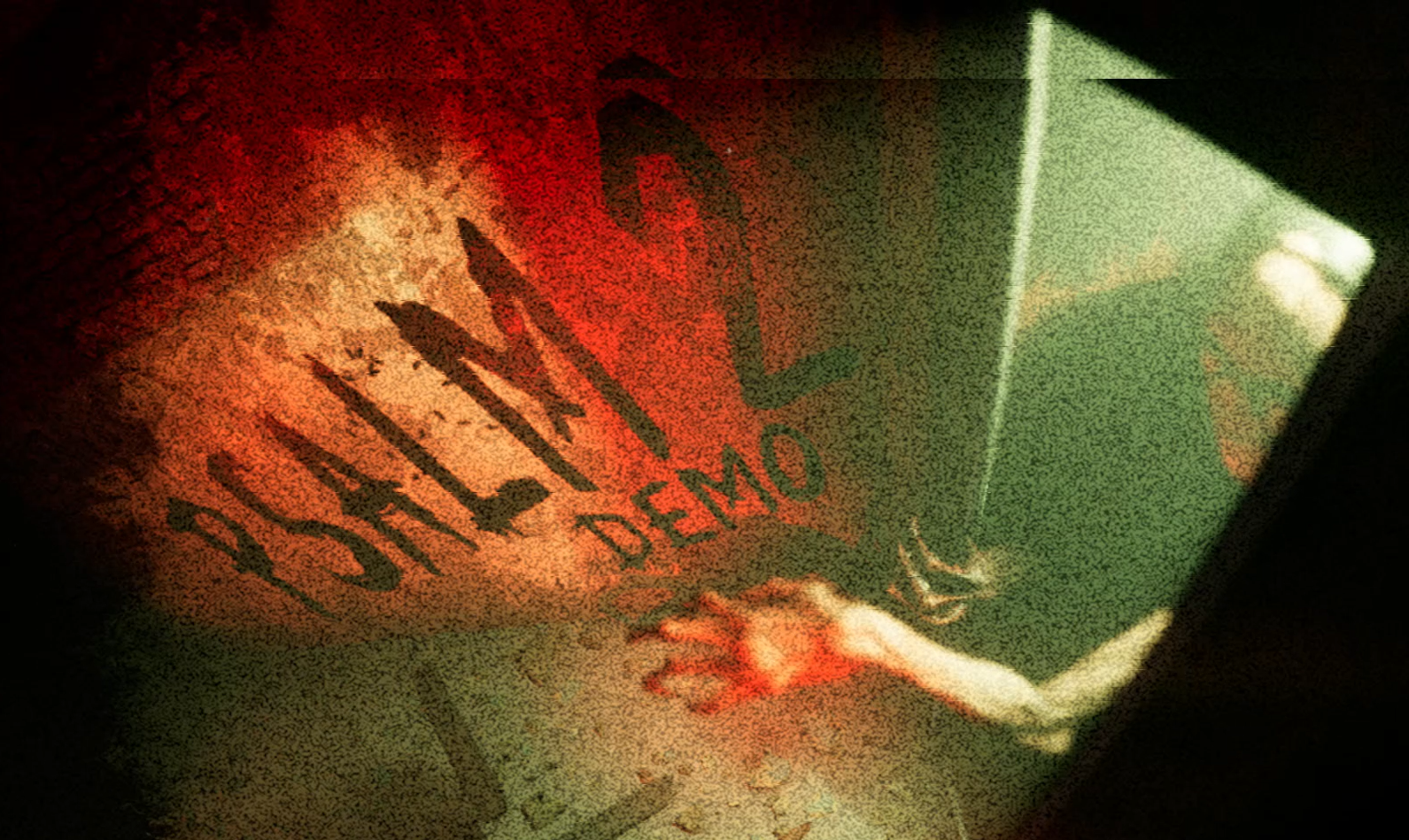
Psalm 2 Demo turns simple linear exploration into slow psychological pressure by making you apprehensive on every floor as you descend into dread.
QUICK SNAPSHOT
Developer: Notex, a1esska, N4bA
Genre: Psychological Horror / Walking Simulator
Platform: PC
Demo Length: Around 10–15 Minutes
Demo Available: Yes as well as full game
Wishlist: Recommended if you like a game that builds tension with environmental signals and visuals
KEY TAKEAWAYS
- The elevator creates a subtle psychological pacing, shifting you from safety to accumulating dread.
- Sounds and partial visibility carry majority of the fear as the jumpscares appear relevant to plot and pacing.
- The game weaponizes anticipation through your exploration into the unknown.
- Some moments feel rough with uncertainty of what to do at times, but the atmosphere lands and story.
- The demo’s strongest idea is forcing you to participate in the danger.
FIRST IMPRESSIONS
First, I’m well versed in religious writing. So, when I saw the game was called Psalm 2, it made me curious about what this game was about.
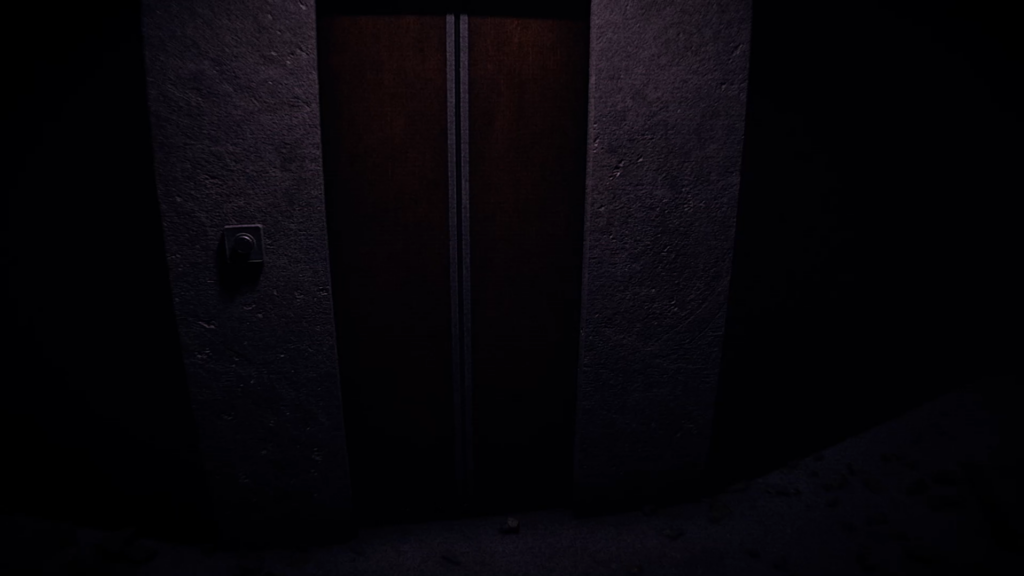
I expected a lot of religious references going in. Instead, I was confronted with an elevator door, isolation, unknown circumstances, and no idea on what to do except ride the elevator.
That opening actually sets the tone well.
As mentioned, you wake up outside an elevator in a dark concrete area filled with rubble and columns. This gives the impression you’re inside some structure that is either poorly managed or abandoned.
The odd part was how quiet it was, waiting in stark darkness, only hearing the elevator moving and arriving.
A lot of horror games rush you forward because they’re afraid silence will lose attention. Psalm 2 Demo does the opposite. It utilizes the anticipation leaving you trapped in silence, waiting for the inevitable.
Eventually, the elevator doors open.
The elevator itself is strangely modern compared to the environment around it. Clean red doors. It had functional lighting inside and looked barely aged, except for a small cobweb in the upper corner.
This gave the elevator a sense of safety rather than just a mode of transport.
THE GAMEPLAY LOOP
For the gameplay, it is relatively simple. Given that the game is tagged as a walking simulator, it speaks for itself.
You descend through floors, explore rooms, interact with objects, and slowly piece together how to progress. Most of the tension comes from observation and uncertainty.
Floor 1 introduces this structure well.
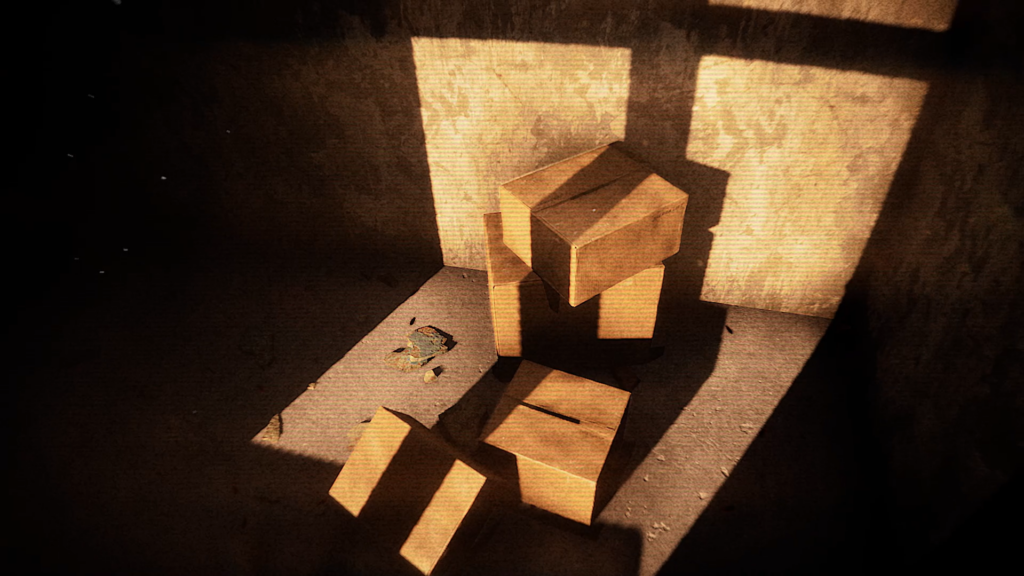
You step into a room barely lit by sunlight leaking through a window despite the rest of the area being dark. There’s some rubble, and bugs skittering about.
An interesting aspect was the stacked boxes near the elevator. Soon, you’ll see a blinking floor light.
That blinking light leads to one of the demo’s first strong moments.
Near the corner of the room is what looks like a dark figure lying on the floor in a fetal position. As you approach, a static filter suddenly distorts the screen and the body disappears completely.
The game simply removes the figure before you fully process it, and this works.
Repeatedly the game uses partial information, and honestly, that’s where most of its tension comes from.
Floor 2 is where the demo really starts clicking.
The environment shifts into something that feels halfway between an apartment and an industrial utility space. Light switches look like they belong in factory, power cabinets, dark hallways, cage bars, generators. It feels lived in, but wrong.
After turning on the lights, you notice a cage-like section of the room sealed off by metal bars. Beyond it is darkness until you hear growling. When the figure finally approaches the bars, the design is simple but effective.
Sunken eyes with tiny white dots staring out from darkness. The being doesn’t rend or aggressively reach out. All it does is watch you for a moment before backing away deeper into the shadows.
A lot of horror games ruin tension by making enemies overly aggressive too early. Psalm 2 Demo does something important instead:
- Things become scarier when they act like they already belong there.
- The being or creature retreating instead of attacking creates the feeling that you’re the intruder in its space.
THE ATMOSPHERE
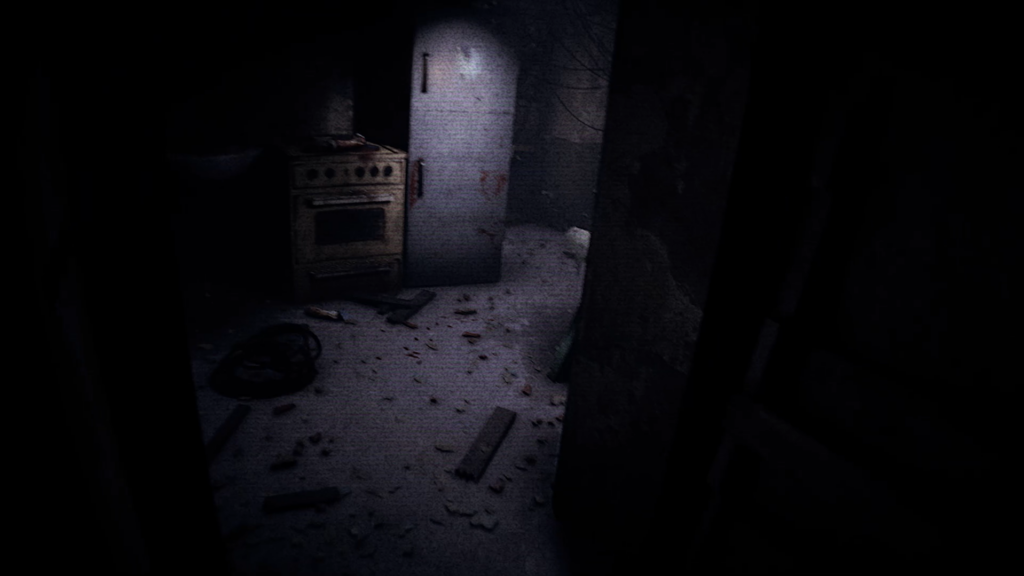
This Demo constantly makes environments feel lived in without fully revealing what occupies them. That’s what gives the spaces tension.
The apartment section especially does a good job with this.
Hallways stay partially hidden even after lights turn on. Rooms feel cramped as darkness sits in corners instead of fully disappearing.
Even ordinary objects like freezers, cabinets, and generators start appearing suspicious because of the game conditions you to expect movement around them.
One of the better moments happens in the kitchen area. You open a freezer and find old meat or sausage links inside.
Then sound of movement echoes behind you. Turning around reveals a vague figure standing in the darkness of the hallway before it steps backward and disappears again.
You never fully see it, and the demo’s horror works best here when visibility stays limited. The game keeps making you question what you actually saw versus what your brain filled in itself.
Even later, when you find the hidden cavity inside the cage room wall, the creature is mostly represented through tiny glowing eyes hidden in darkness.
The demo also avoids overloading the screen with visual noise. Most rooms are relatively sparse, which helps the darkness stand out more when something moves inside it.
SOUND DESIGN
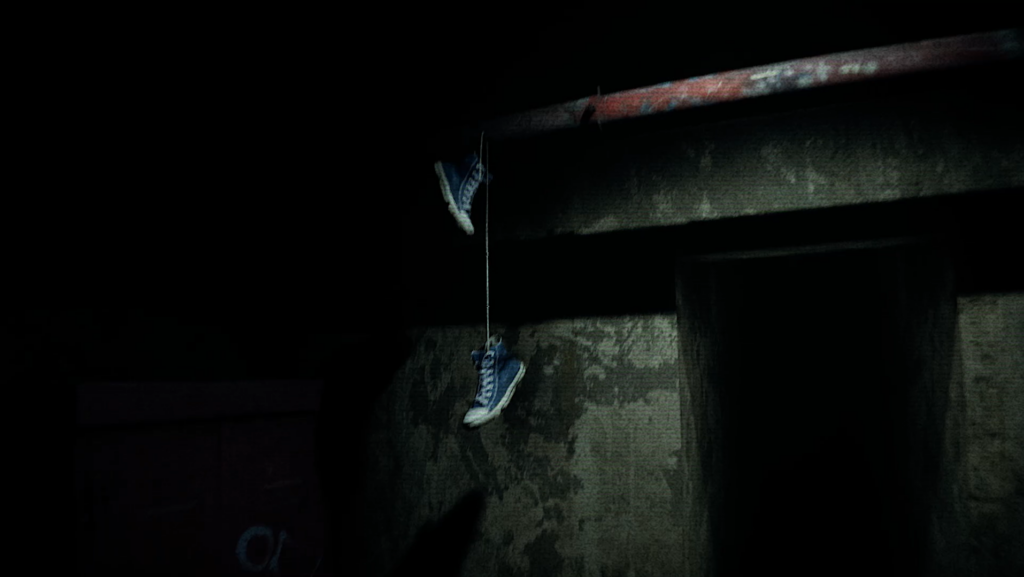
Static distortion becomes a warning sign throughout the demo.
Growling is used sparingly enough that it still works when it appears. Knocking sounds inside the upstairs hallway immediately change your behavior because the game trains you to stop trusting closed spaces.
One moment that stood out was the upstairs hallway door.
You hear knocking from behind it while exploring. Obviously, you pause near it or run because the sound instantly creates uncertainty. Later, returning to the hallway and discovering the door now opened feels wrong.
That’s the kind of subtle escalation Psalm 2 Demo handles best.
The silence inside certain rooms also deserves credit. The game frequently strips away ambient sound enough that every movement feels heavier. You start listening carefully for changes in the environment.
That’s good horror pacing.
WHEN IT CLICKS
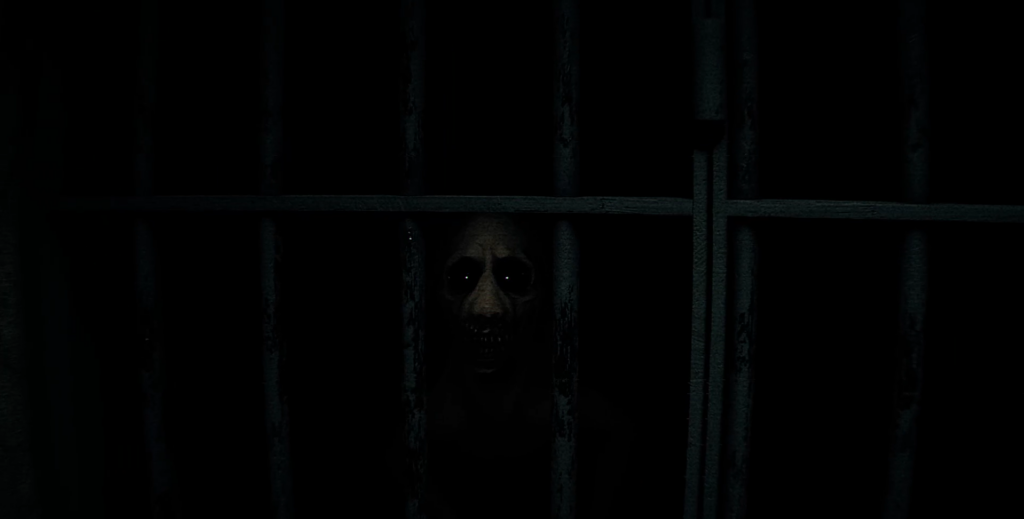
The demo fully clicks once the feeding mechanic is introduced.
Inside the cage room, you find a food bowl beneath a cavity in the wall where those tiny white eyes stare back at you. Examining the bowl triggers a brief vision showing the meat from the freezer along with a gaunt smiling figure lurking just off from the center of the frame.
At that point, the game shifts psychologically.
You realize the creature:
- lives here
- eats here
- watches you
- expects something from you
Then the game makes you participate in that system directly. You return to the freezer, collect the meat, and place it into the bowl yourself.
That’s the strongest idea in the entire demo.
The horror shifts from observation and becomes participatory. You are now engaging with and feeding it.
After placing the food down, the game triggers another visual distortion. The food disappears. Freshly picked-clean bones suddenly remain in the cavity.
Then the cage door slams shut.
That payoff works specifically because the demo spent most of its runtime withholding direct violence. The being stalks, observes, retreats, and waits until the final moment before finally rushing you head-on.
The final sprint toward the you land because the game earned it first.
WHAT DIDN’T WORK
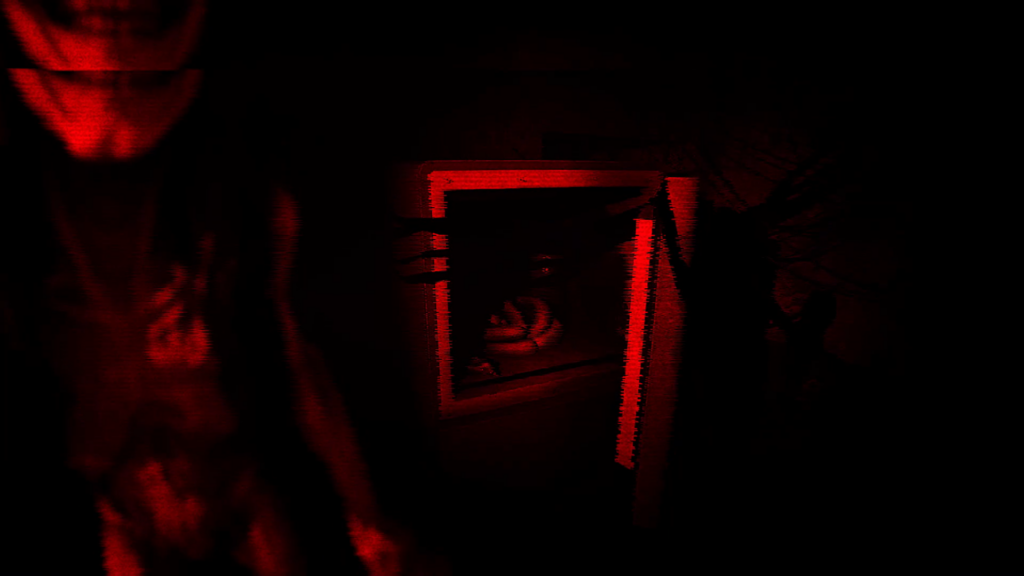
- Some environmental navigation can feel slightly unclear.
- A few visual transitions rely heavily on static distortion effects, to where if not positioned right, you miss it.
The demo is strongest when it trusts the environmental tension it skillfully built throughout the game.
DEMO VERDICT
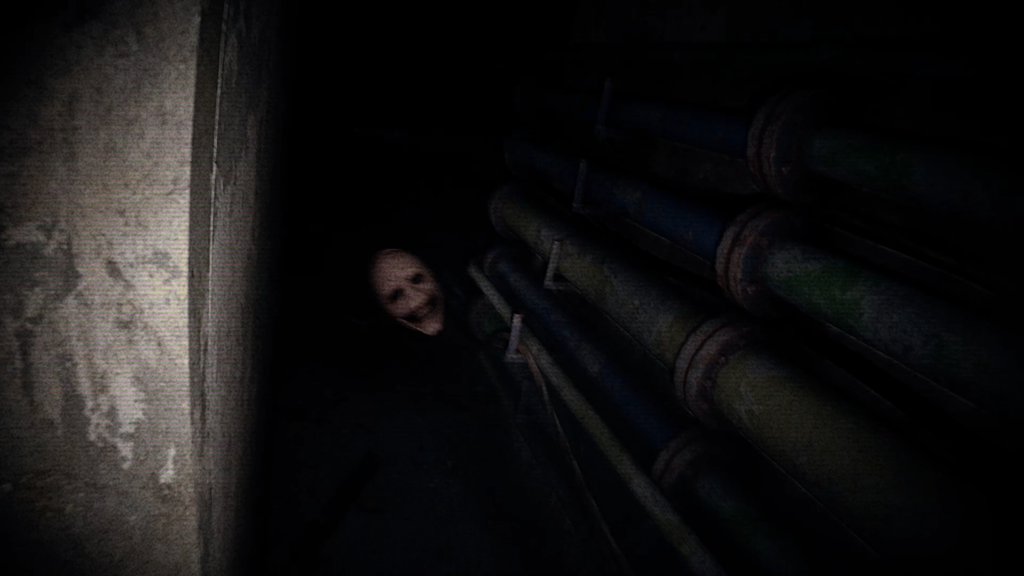
Psalm 2 Demo feels interested in making the environment itself feel psychologically hostile.
The elevator structure creates strong pacing. Each floor feels like another layer of descent into something increasingly dreadful. The creature design stays restrained enough to remain unsettling.
Most importantly, the game understands how to make you participate in your own discomfort instead of simply watching scary things happen around you.
That feeding sequence alone honestly sold the demo for me.
If the developers can maintain this style of slow-burn environmental tension without overexplaining the horror later, the full game could end up being genuinely memorable.
WATCH THE FULL PLAYTHROUGH
Steam Page: Psalm 2 Demo
Wishlist / Follow / Support the developers if psychological horror and environmental storytelling interests you.
If you want another bright indie game that builds dread from the mundane slow dread, check out UMIGARI. Wanting a more unique gameplay, see my gameplay of They Not Fae!.
If you enjoy indie horror breakdowns like this, follow Gravenox Horror Gaming, and trust me to explore horror so you don’t have to.

Nero is a writer and lore researcher known for reviewing games on Steam. With years of experience playing horror games, uncovering hidden narrative patterns across indie and AAA titles, and publishing museum catalogs on ancient objects, he blends commentary with psychological horror theory. When he’s not unraveling storylines, he’s enjoying rock music, drawing, working in analytics or obviously playing video games. Check out his latest post to explore the furtive patterns hidden in game lore.