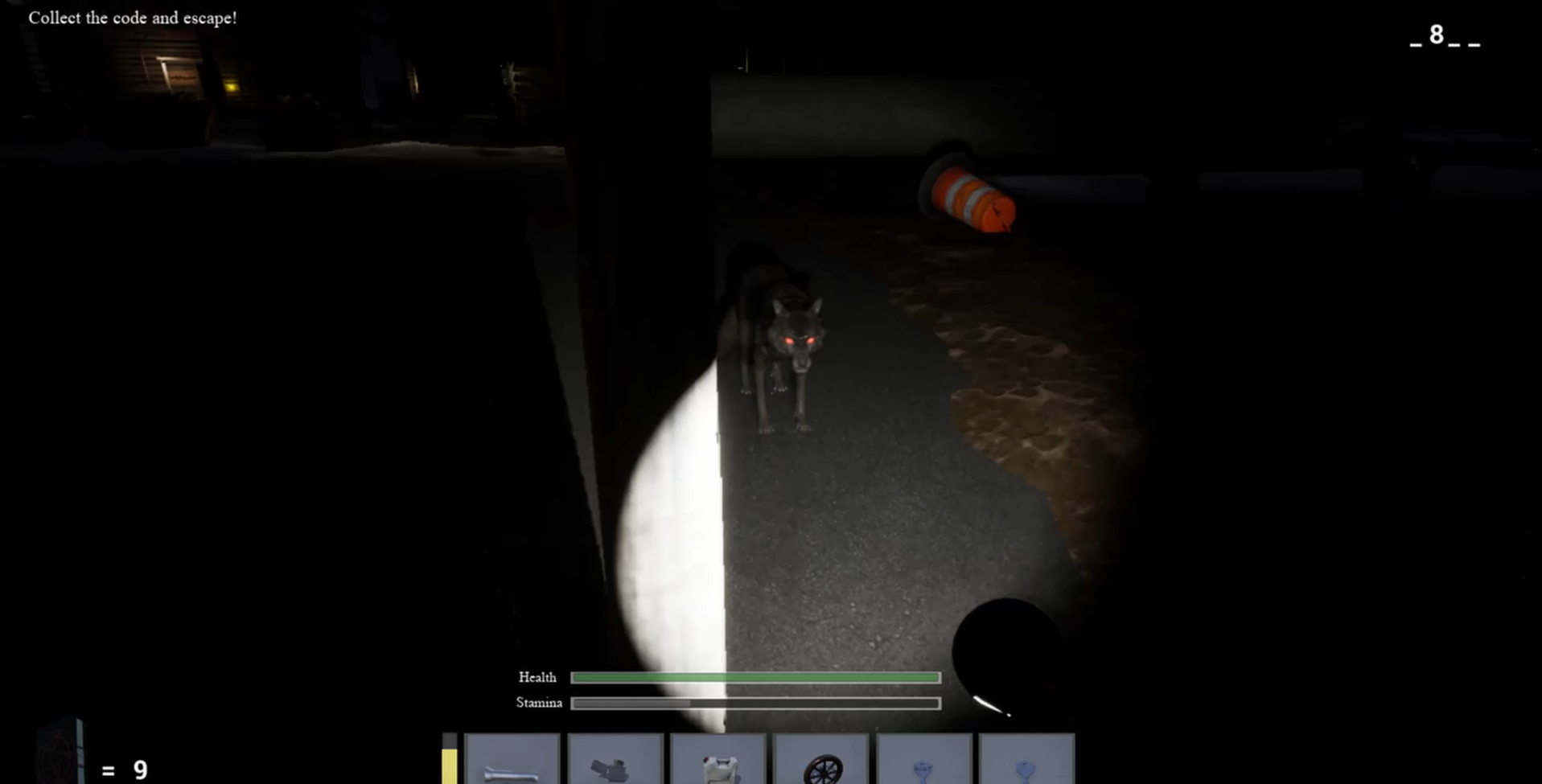
Escape Camp Stranded builds tension through temporary safety—but keeps you uneasy by never letting you know exactly when danger will return.
QUICK SNAPSHOT
Developer: attack_button
Genre: Horror, Puzzle, Exploration
Platform: PC
Price: $0.99
Playtime: 1–2 hours depending on exploration and endings
Worth Playing?: If you enjoy short indie horror games that rely on anticipation rather than constant chase sequences.
KEY TAKEAWAYS
- Tension builds through the radio’s temporary safety mechanic.
- The flashlight acts as defense, but never fully removes danger.
- The campground atmosphere creates a surprising sense of comfort that makes the horror more effective.
- The old man works because he creates anticipation rather than constant pursuit.
- Strong tension design for a first release, even when some systems show rough edges.
FIRST IMPRESSIONS
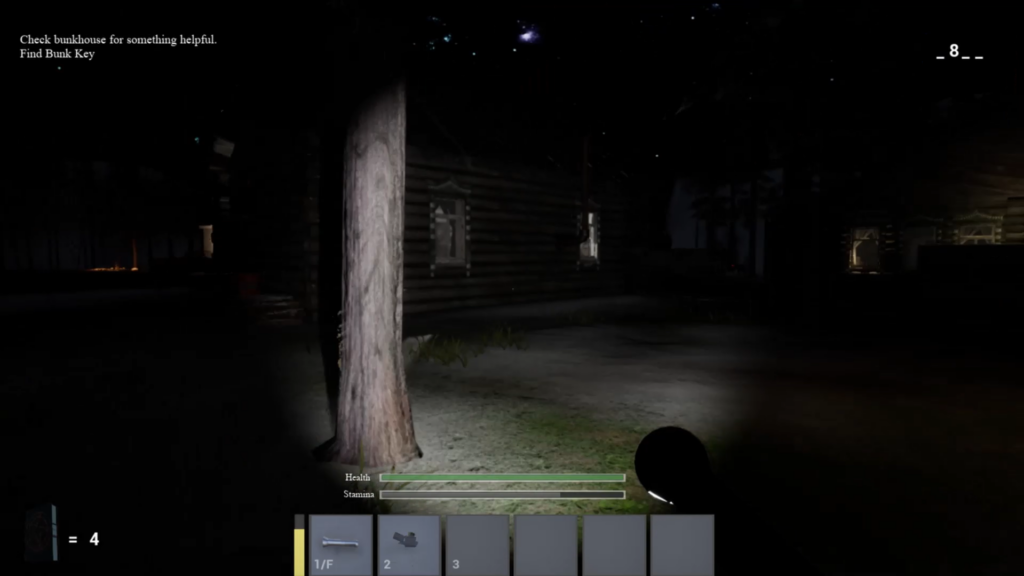
Venturing into Escape Camp Stranded was visiting a childhood home. It looks familiar but feels uncanny.
With the shadowy woods, abandoned cabins, and a monster wandering around waiting to jump out when least expected creates a tense uncertainty.
So, the game surprised me by making anticipation its primary source of tension.
The campground itself feels strangely welcoming at first. There are cabins, signs, bunk beds, bookshelves, and enough environmental detail to make it feel like an actual camp rather than a generic horror map. It is dark but not immediately threatening. There is a rustic familiarity to the environment that almost feels safe.
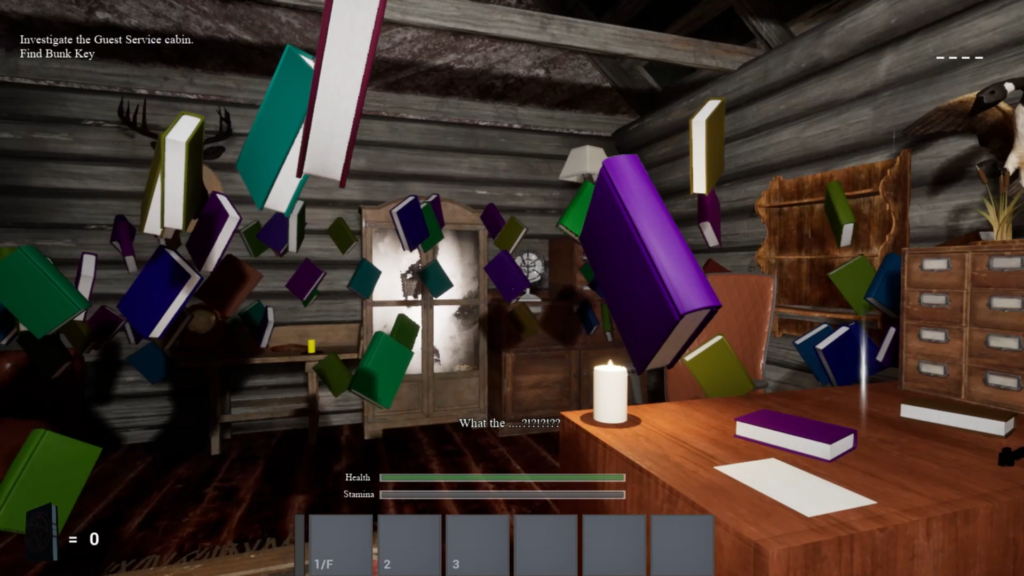
Although, after exploring the first cabin, reading notes, and solving the candle puzzle, things begin to shift. Books start moving, and a cabinet opens through some candle ritual. Once you get the flashlight, a distant laughter of the old man comes.
That moment changes the way you play.
When I saw him outside the window and disappeared into the campground, the game planted a simple question in my mind:
“Where is he now?”
From that point forward, tension came from what I couldn’t perceive.
THE GAMEPLAY LOOP
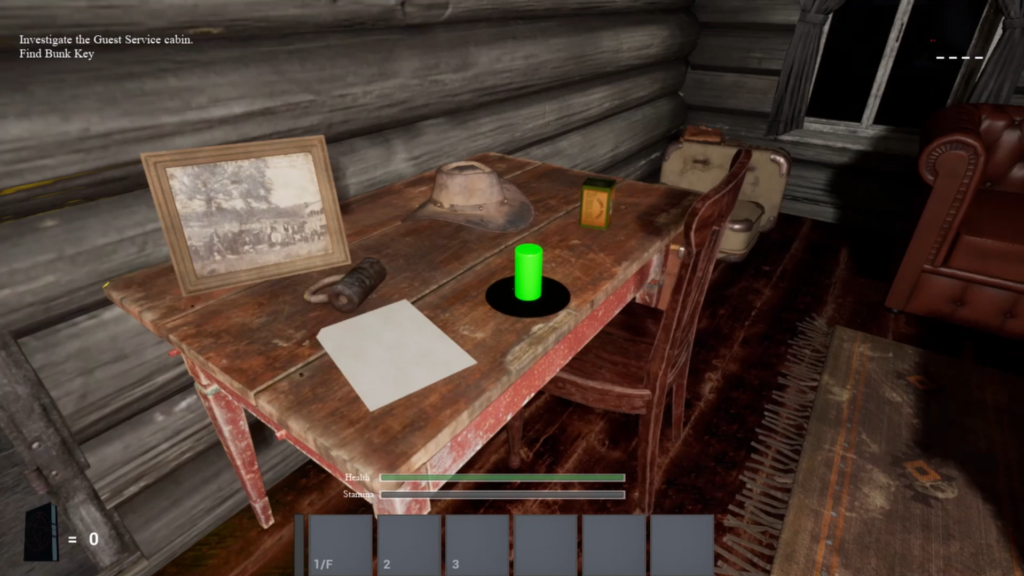
The gameplay carries out by exploring, finding clues, solving puzzles, activating safety, and exploring again.
At first, this works because the game introduces information gradually.
You discover notes explaining mechanics and learn about the flashlight. Soo, you begin piecing together the campground’s secrets.
Then the radio mechanic enters the picture.
Activating a radio provides roughly 30 seconds of safety. During that window, you can explore without worrying about the old man attacking.
When the radio shuts off, however, that protection disappears.
Suddenly every trip away from the cabin becomes a calculated risk. This is where tension builds.
Tension builds when:
- You’re trying to solve puzzles before the radio expires.
- You’re far enough away that you can no longer hear the radio.
- You’re mentally counting down the remaining seconds.
- You know the old man could appear at any moment.
Tension breaks when:
- Enemy pathing behaves strangely (wolves may enter cabin while radio is on).
For most of the experience, though, the loop succeeds because it transforms exploration into risk management.
You are constantly weighing one question…, “Do I keep searching, or do I head back now?”
THE ATMOSPHERE
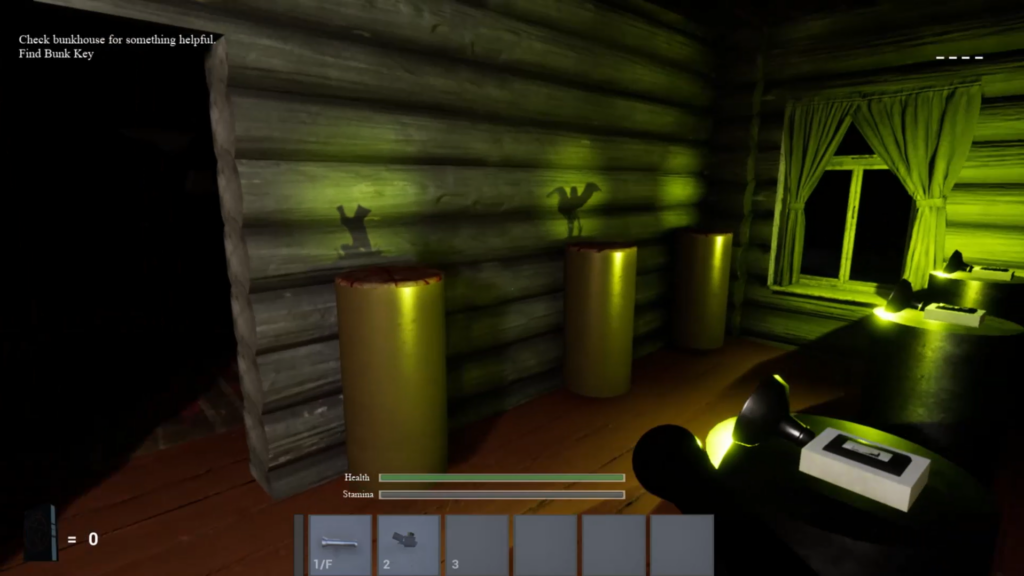
This is where Escape Camp Stranded performs surprisingly well.
Lighting
The darkness limits visibility without making exploration impossible.
With the flashlight, it becomes both a practical tool and a psychological comfort blanket. Losing sight of your surroundings immediately increases tension.
Space
The campground feels open enough to encourage exploration while remaining confined enough to feel vulnerable.
Cabins become temporary sanctuaries, yet the problem is that they never feel completely safe.
Environment
What stood out most to me was the contrast between familiarity and danger. The setting isn’t a haunted asylum, nor is it an underground laboratory.
It’s just a campground.
That normality creates an interesting tension as the environment constantly suggests safety while the game repeatedly reminds you that safety is temporary.
Every tension builds because the campground feels believable.
The more believable it feels, the more unsettling the supernatural elements become.
SOUND DESIGN
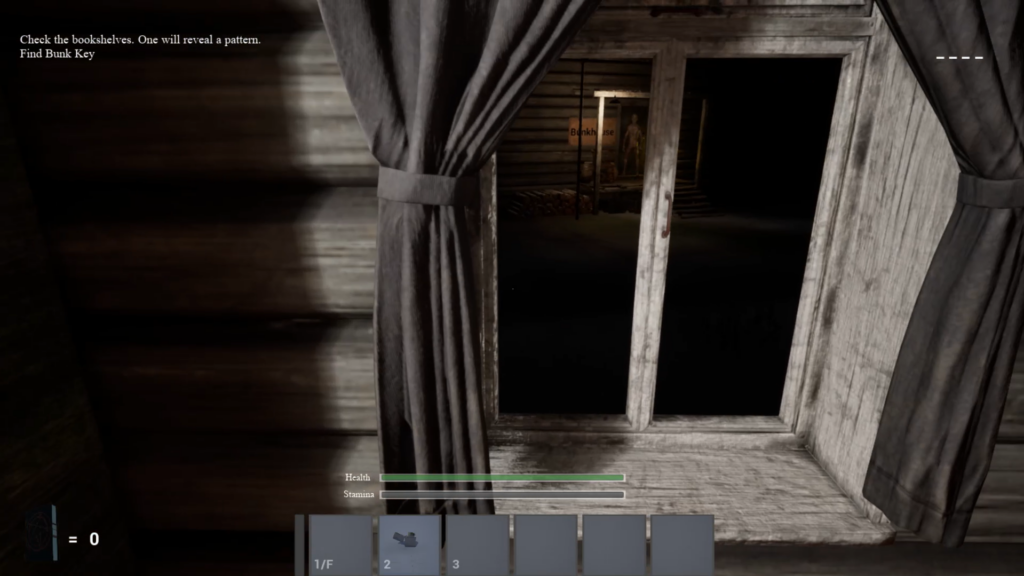
Sound is pretty decent give the first release.
The old man’s laughter immediately establishes that something is wrong, and wolves serve a different purpose.
You hear them before you see them. That audio warning keeps you alert while exploring, especially when visibility is limited.
The radio is arguably the game’s most important sound cue. It’s vital information since as long as the radio is playing, you know you’re protected.
Once it stops, your behavior changes immediately to moving faster, being more cautious, and thinking about escape routes.
This builds tension via the sound since it directly controls player decision-making, adding psychological pressure returns.
WHEN IT CLICKS
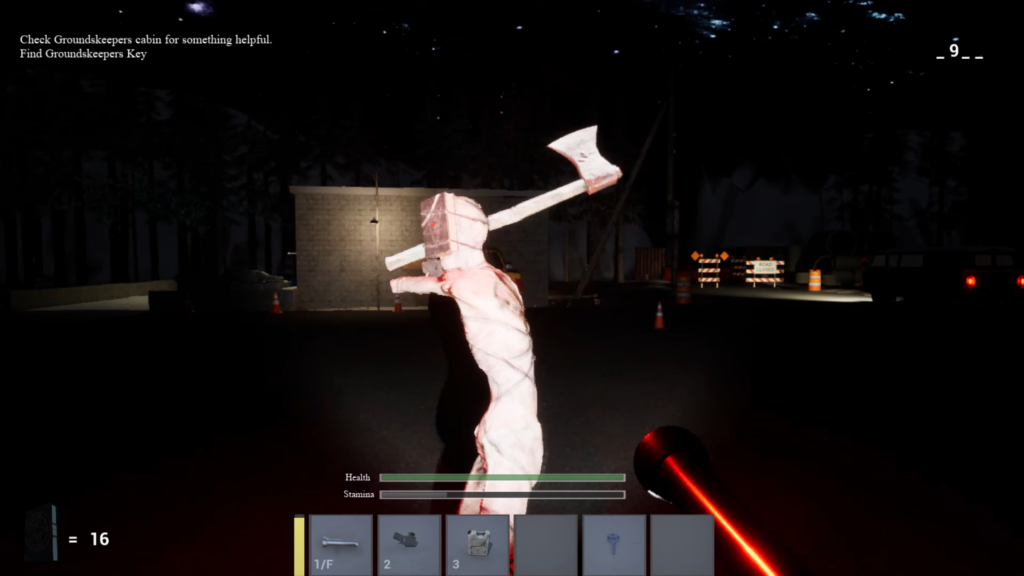
There is a moment where the game suddenly makes sense.
For me, it happened after learning how the radio system worked. At first, I treated exploration normally until I realized I was counting seconds.
I tried staying within earshot of the cabin and became hesitant to venture too far. Soon, I stopped focusing on puzzles and started focusing on survival.
That’s when the game works best, as the tension is no longer being forced by scripted events.
Mechanics like this makes you become responsible for your safety. And because you know that safety is temporary, every decision feels heavier.
WHERE IT BREAKS
Escape Camp Stranded builds tension effectively, but it doesn’t always maintain it.
The biggest issue comes from the wolves. At times they interrupted interactions with outdoor keypad and puzzle elements.
There were also situations where wolves entered cabins or became stuck around doorways.
Moments like these expose the underlying systems and remind you that you’re playing a game. Once immersion breaks, tension follows shortly afterward.
The old man remains effective largely because the game avoids overusing him.
The wolves, unfortunately, can sometimes break the flow, not often but on a few occasions.
WHAT DIDN’T WORK
- Wolves can interrupt puzzle interactions.
- Enemy pathing occasionally feels awkward
None of these issues ruin the experience.
They simply become more noticeable because the core tension design works as well as it does.
THE ENDING (NO SPOILERS)
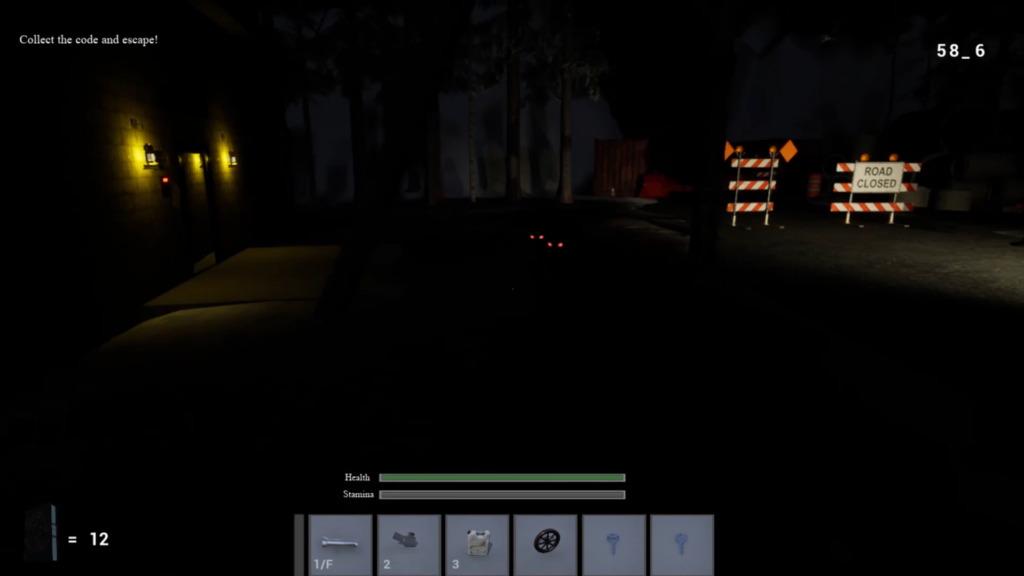
The ending supports the game’s overall theme.
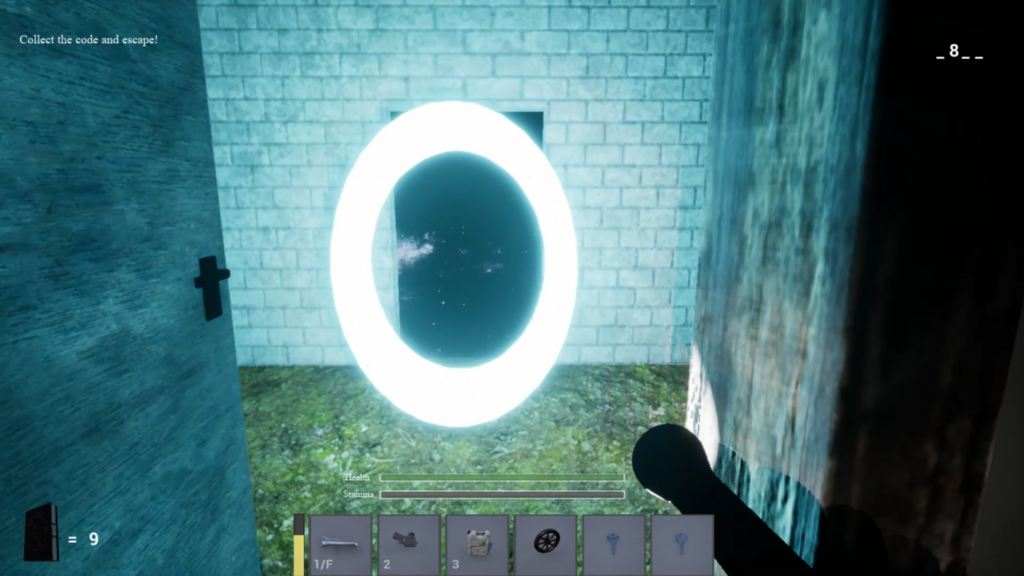
There is a deeper mystery surrounding the old man, the pentagram books scattered throughout the campground, and the supernatural elements woven into the nightmare.
What I appreciated is that the standard ending doesn’t completely resolve everything.
The game understands that horror often works best when some uncertainty remains.
Just because the nightmare may be over, that doesn’t necessarily mean it is gone.
FINAL THOUGHTS
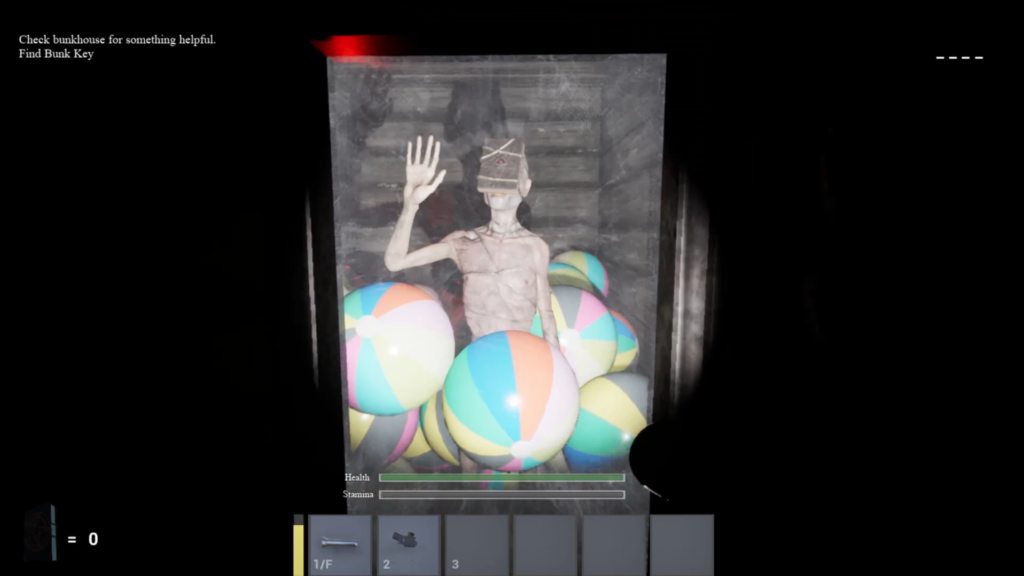
Escape Camp Stranded succeeds because it understands something many indie horror games overlook.
Sometimes fear comes from waiting.
The radio mechanic creates temporary safety, the old man creates uncertainty, and the campground creates familiarity.
Together, those elements generate a tension loop that remains effective throughout most of the experience.
It isn’t perfect.
Yet considering this game’s strongest moments are when you’re standing in the darkness, listening for the radio, wondering whether you have enough time to keep going.
That’s where Escape Camp Stranded finds its identity. And for a short indie horror game, that’s a solid place to be.
WATCH THE FULL PLAYTHROUGH
If you enjoy short horror experiences built around anticipation, exploration, and managing temporary safety, Escape Camp Stranded is worth a look.
Interested in other indie horror, take a look at Psalm 2 demo or dive into Umigari here.
If you enjoy indie horror breakdowns like this, follow Gravenox Horror Gaming, and trust me to explore horror so you don’t have to.

Nero is a writer and lore researcher known for reviewing games on Steam. With years of experience playing horror games, uncovering hidden narrative patterns across indie and AAA titles, and publishing museum catalogs on ancient objects, he blends commentary with psychological horror theory. When he’s not unraveling storylines, he’s enjoying rock music, drawing, working in analytics or obviously playing video games. Check out his latest post to explore the furtive patterns hidden in game lore.