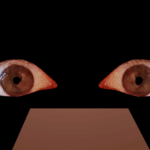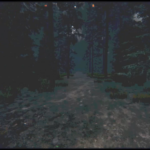
Most retro horror games ask if you can make it to tomorrow. Hermitage asks what you’ll have left of yourself when tomorrow finally arrives.
QUICK SNAPSHOT
Developer: techabsurdist
Genre: Survival horror, first person horror, psychological horror
Platform: PC
Price: TBD (Demo Available)
Playtime: My first run lasted seven in-game days.
Worth Playing? Yes, especially if you enjoy psychological slow-burn horror that builds dread through routine instead of constant chase sequences.
KEY TAKEAWAYS
- Hermitage turns survival horror into a grief system where every day alive costs part of your humanity.
- Its retro horror games look works through minimalist low-poly creatures, heavy rain, fog, and limited visibility.
- The first person horror stays effective because the forest rarely explains whether its sounds and figures are real, remembered, or imagined.
- The journal, radio, Kali shrine, and abandoned two-player card game carry more emotional weight than the hunting itself.
- The survival loop builds tension through hunger, thirst, fire, and strength, but risks repetition once the routine becomes familiar.
- Its PSX horror style supports the psychological slow-burn horror by making the forest feel incomplete, distorted, and difficult to read.
FIRST IMPRESSIONS
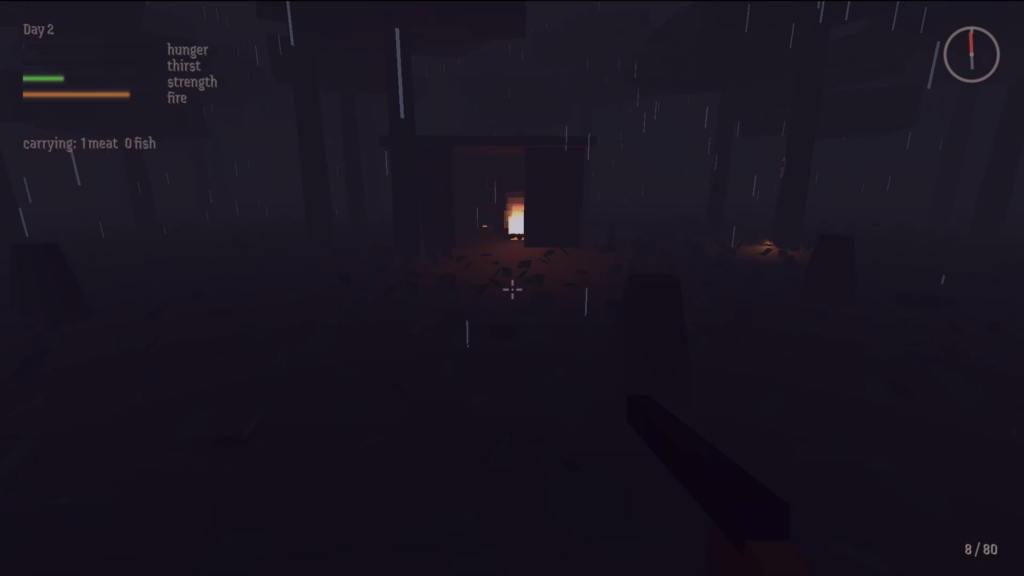
Can retro horror games inspired by older survival experiences create dread. Well, with Hermitage by techabsurdist, yeah, it can.
It drops you into the rain soaked forests of Jharkhand with little more than a cabin, a gun, and enough uncertainty to make every decision feel like it carries weight.
As a survival horror game it covers resource management and tight decision-making. Yet, it’s not about monsters lurking outside your cabin. It’s about surviving inside a place that slowly changes you, one day at a time.
The rain never stops, and every meal comes with consequences. Even the compass seems willing to betray you if you wander too far.
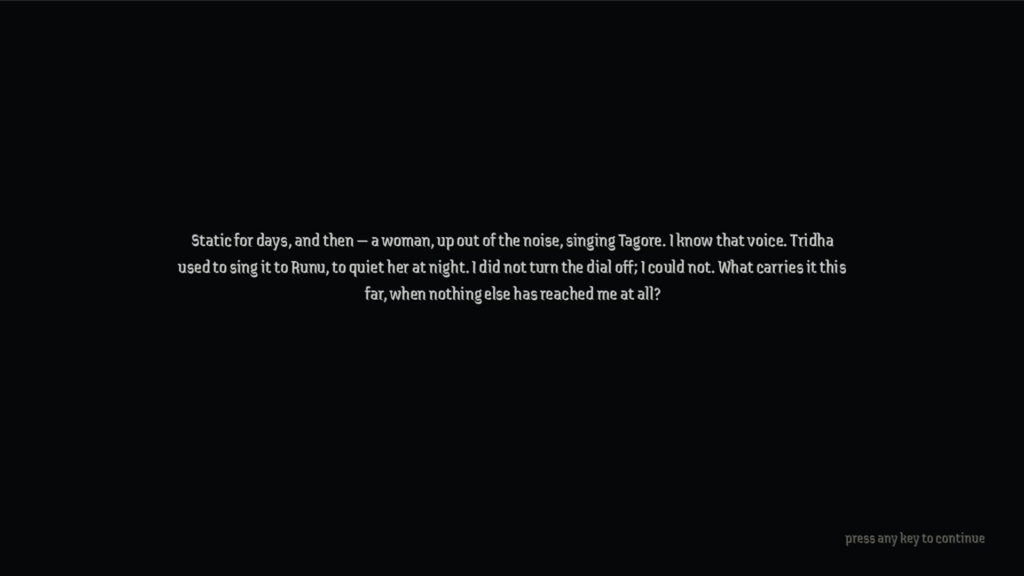
My first day was spent learning the basics. I chopped wood to keep the fire alive, hunted strange mutated animals, caught fish from the nearby lake, and tried to understand the strange routines keeping my character alive.
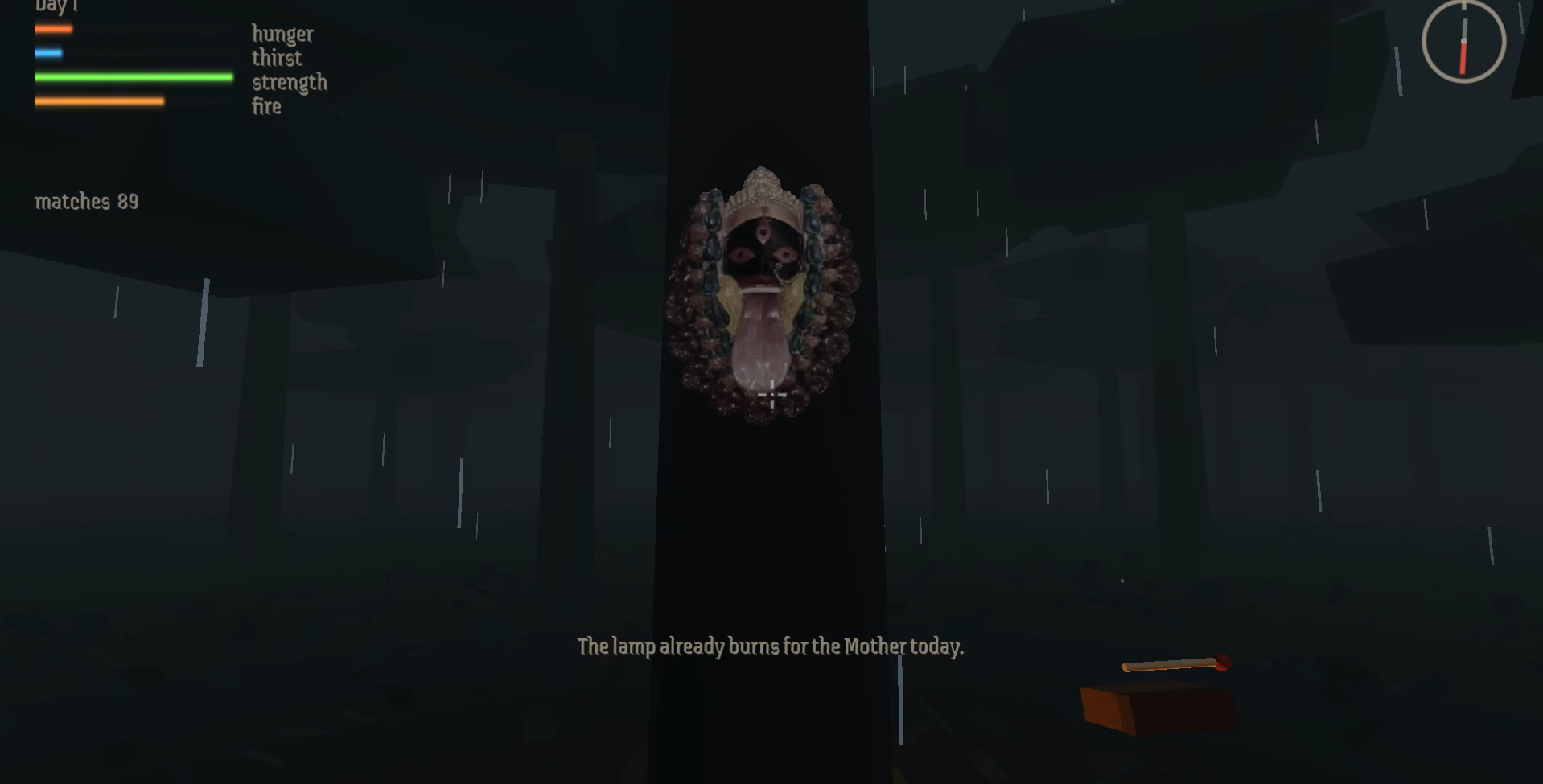
Outside sat a Kali mask nailed to a tree.
Inside waited a crackling fire, a radio that mostly whispered static, and a two player card game called Rang Milanti – despite the fact I was completely alone.
That loneliness settled in surprisingly fast.
THE GAMEPLAY LOOP
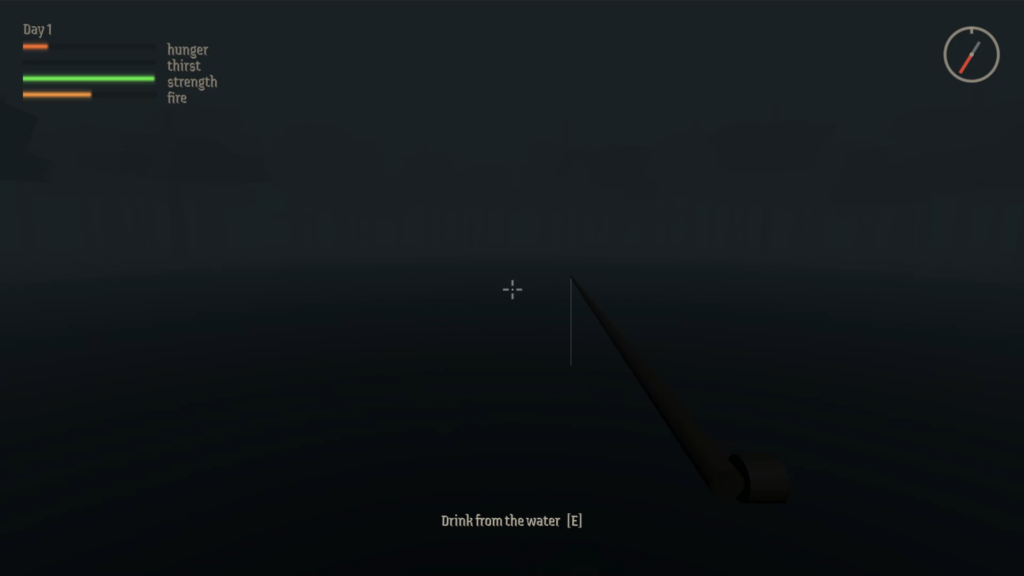
The loop is deceptively simple as all you do primarily do is hunt, fish, chop wood, cook, pray, and sleep.
Like many survival horror games, resources constantly demand your attention. The difference is that Hermitage never lets you solve the problem.
Fish satisfy hunger while increasing mutation. Mutated meat keeps you alive but makes your character physically deteriorate. Water removes thirst, yet nothing feels clean.
Even carrying heavy carcasses drains precious strength that you’ll need later just to keep your fire burning.
All that helps you survive quietly contributes to becoming something else.
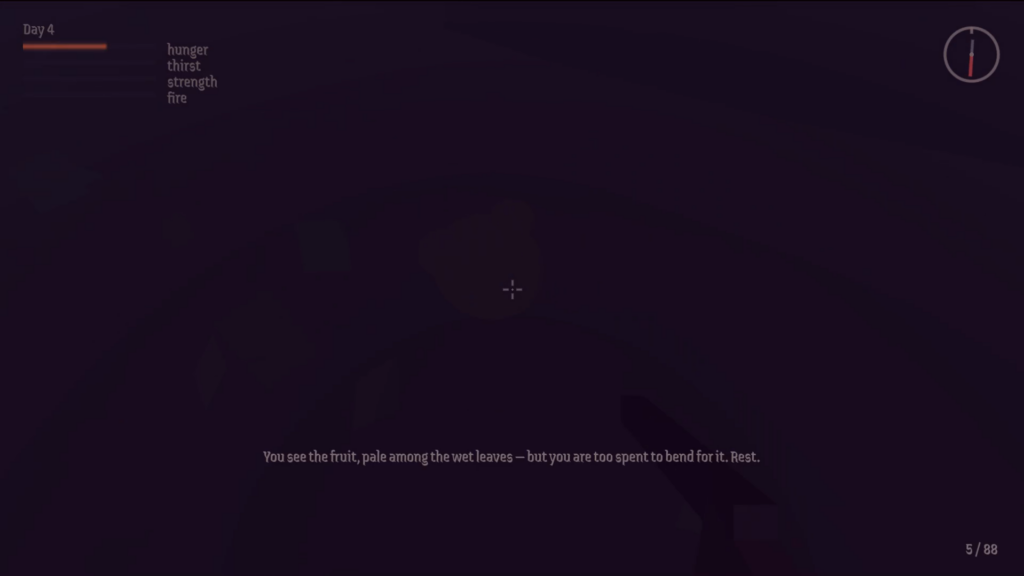
I completely missed one mechanic during my playthrough. Fruit scattered around the forest reduces mutation, but I somehow overlooked the on-screen message until I reviewed my recording later.
Oddly enough, that mistake almost improved the experience.
As the protagonist slowly loses himself physically and mentally, missing important details felt strangely appropriate. The player begins slipping alongside the character.
Journal
At the end of each day, you get a journal entry. Every night the protagonist writes another entry.
Those pages became my favorite part of the experience.
They begin with simple observations about fishing, the old rifle, and memories of playing Rang Milanti with someone named Runu.
Then the entries gradually change.
His compass no longer behaves normally.
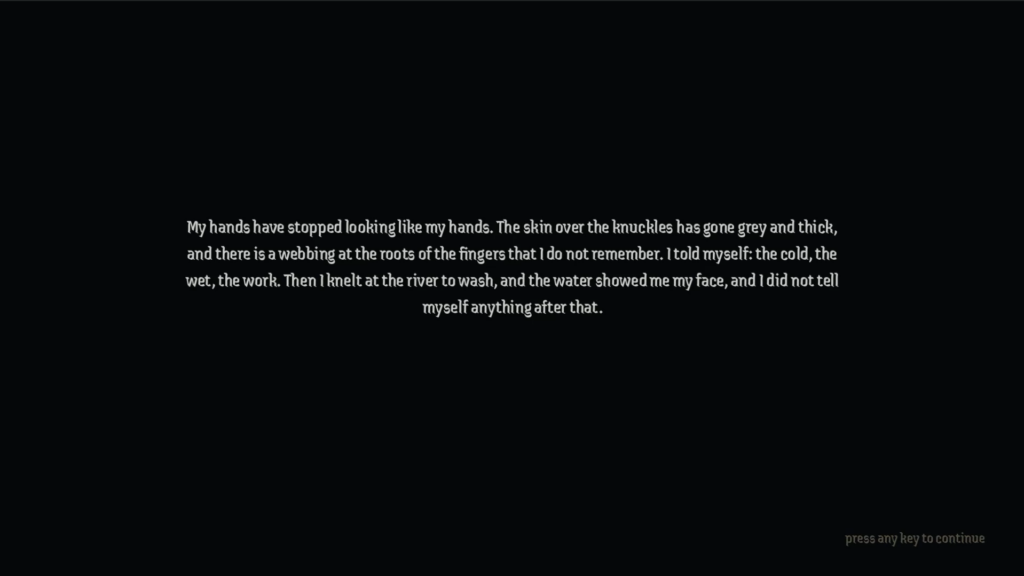
He refuses to look into the river because his jaw has begun changing.
Writing itself becomes physically difficult.
Eventually he writes down the names Runu and Tridha simply because he’s afraid he’ll forget them.
That gradual deterioration is where Hermitage embraces psychological slow-burn horror. The monster isn’t only outside your cabin.
It’s becoming the person reading these journal entries.
One line especially stayed with me.
Standing before the Kali mask, the protagonist admits he doesn’t know what to ask anymore. Instead, he simply wishes Kali keeps what she takes.
It’s an exhausted acceptance of grief rather than a desperate plea for rescue.
THE ATMOSPHERE
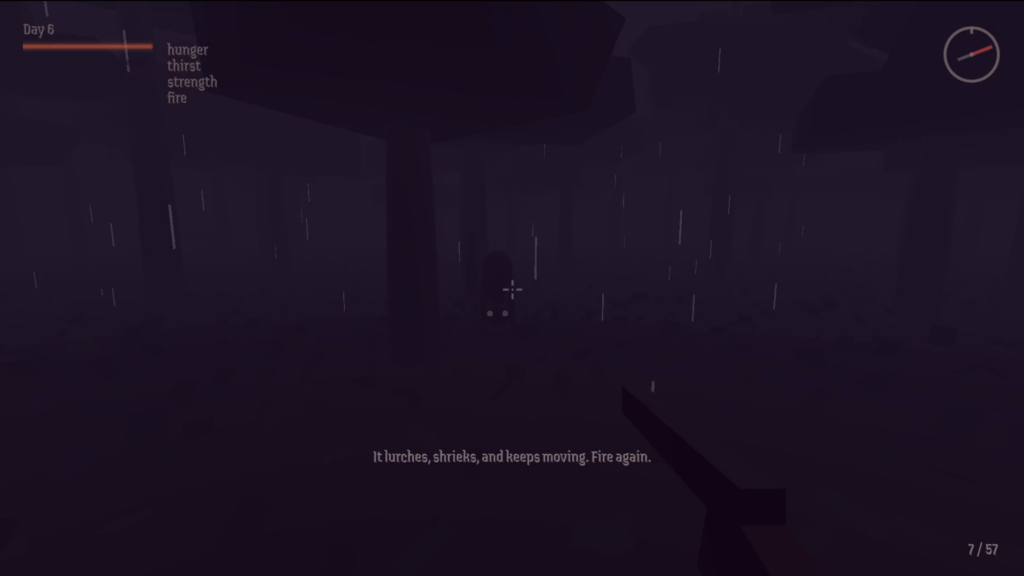
This is where Hermitage separates itself from many modern first person horror games.
It rarely relies on loud scares. Instead, it patiently wears you down.
The endless rainfall becomes background noise until a woman’s laughter drifts through the trees.
The first time I heard it, I searched everywhere. It wasn’t a ghost or a monster. In fact, it was never confirmed and I found nothing.
Eventually I simply returned to fishing because I still needed food. That moment perfectly captures the game’s philosophy.
Fear may interrupt a process but it doesn’t stop survival. It becomes another task competing for your attention.
The cabin itself never feels comforting either. The radio whispers static, occasionally breaking into voices or songs that sound more like memories than broadcasts.
Rather than providing gameplay information, it quietly reminds you that someone used to be here.
SOUND DESIGN
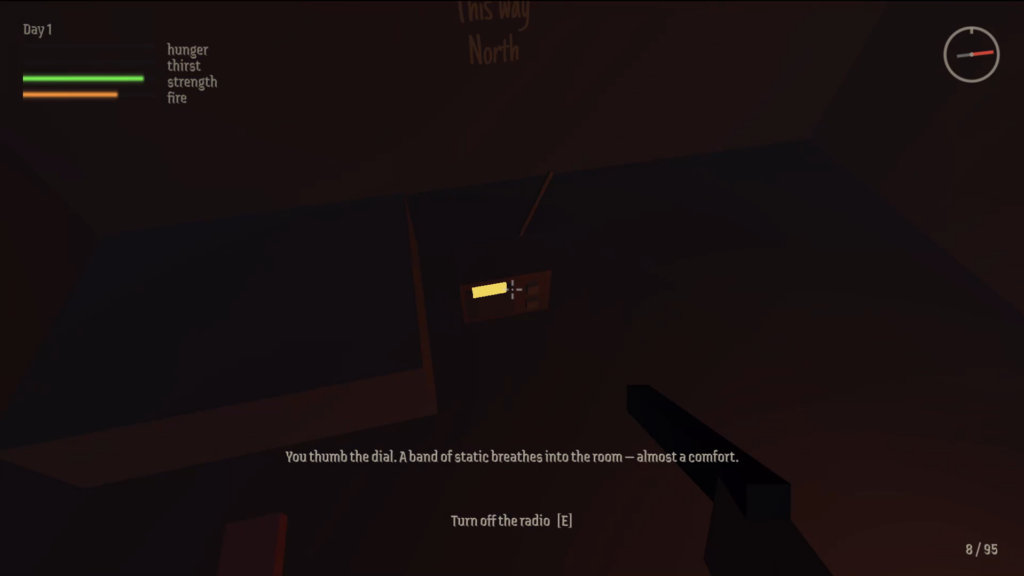
Sound works strongly here. The rain acts as a constant oppression, as it darkens the forest to make hunting a bit harder.
Coupled with the rain is the random laughter that seemingly follows you everywhere in the forest.
The game has no loud scares, which helps make the dead a slow burn. The sound become survival signals on whether you hit the target of the hunt or a new sound breaks into the steady rhythm of the rain.
WHEN IT CLICKS
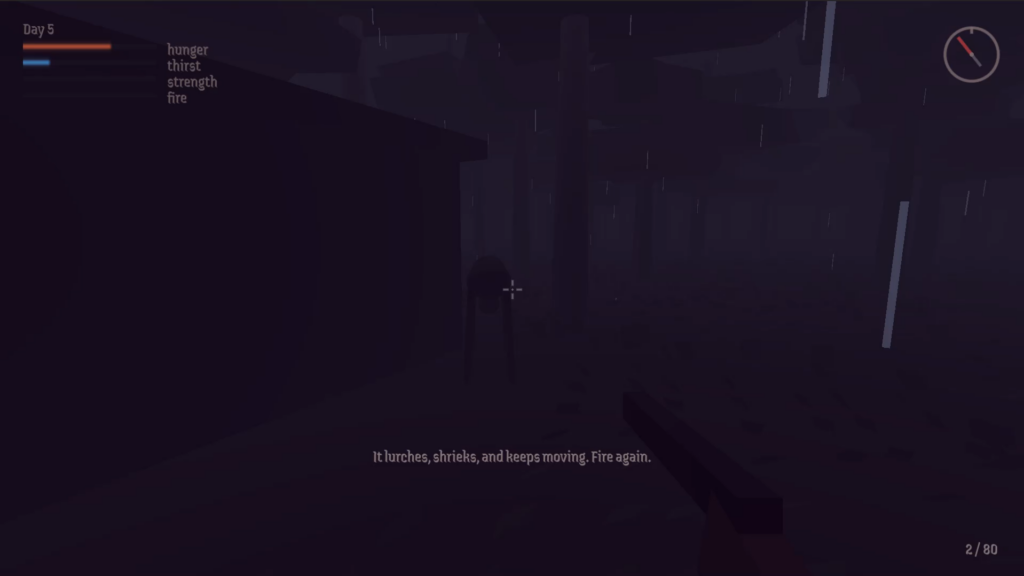
Around Day Five, something changed for me.
Until then, every strange creature was simply another source of food.
Then one wandered near my cabin.
After killing it, the journal questioned whether it had actually been hunting me.
Maybe it had come looking for one of its own.
Suddenly I wasn’t wondering whether these creatures were monsters.
I was wondering whether they were survivors who had simply lasted longer than I had.
That’s when Hermitage stopped feeling like another first person horror experience and became something far more unsettling.
WHERE IT BREAKS
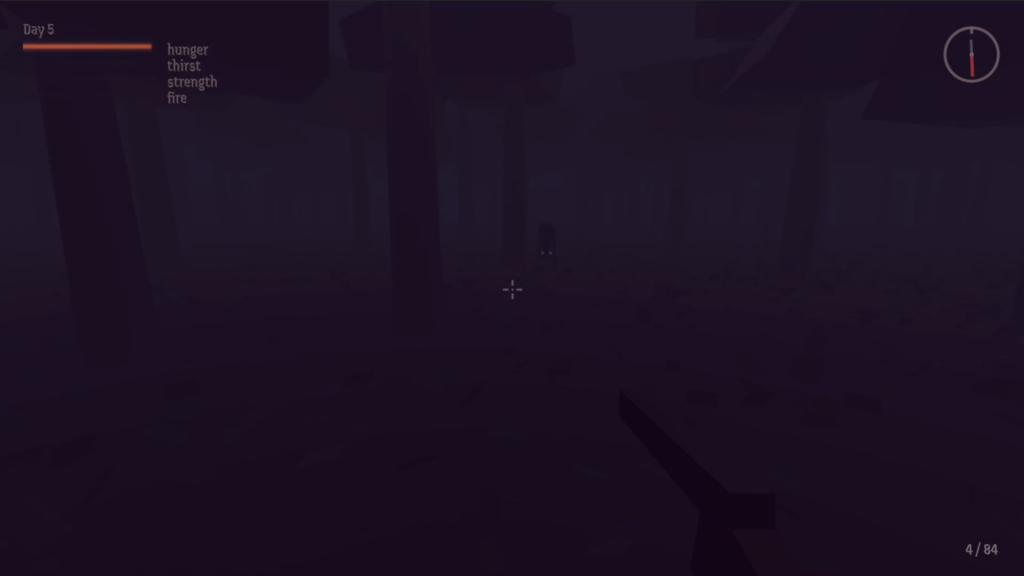
The mutated creature has great sound, and it is a bit of a jolt when you spot one in the dark or one attacks from behind.
However, similar looks make them easier to spot, losing tension of encounters fast.
The rain and forest atmosphere are heavy and create a dread feeling as you roam out of the hut to explore.
This is a powerful feeling but can diminish over time due to few novel things to find in the forest.
As you explore, there isn’t much difference. Maybe a two or three enemy type would help visual engagement.
WHAT DIDN’T WORK
While I genuinely enjoyed my time with Hermitage, a few mechanics could communicate themselves better.
Missing the fruit mechanic was ultimately my mistake, but newer players juggling hunger, thirst, fire, strength, and navigation may overlook similarly important details.
I also found Rang Milanti fascinating symbolically, yet never fully understood how to play it during my run. For the record, that’s on me not knowing how to play.
Finally, the survival loop risks becoming repetitive if later sections don’t continue introducing new emotional or mechanical developments.
THE ENDING (NO SPOILERS)
Ending entirely depends on how many days you survive. It i more about the process and journey than the ending.
FINAL THOUGHTS
Many retro horror games use nostalgia to recreate older mechanics. Hermitage uses them to reinforce grief.
Every resource, every journal entry, every prayer, and every meal asks the same question: How much of yourself are you willing to spend for one more sunrise?
By the time my run ended, my breathing had grown noticeably harsher, my strength was gone, and the journal’s final words landed harder than any jumpscare.
“The thing beneath the roof didn’t wake up as a man.”
Just another morning where survival quietly became transformation.
That’s the kind of psychological slow-burn horror that stays with you.
WATCH THE FULL PLAYTHROUGH
If you’re into retro horror games, Hermitage is ideal.
You can find more psychological slow-burn horror games with my Teeth Cutter series here or experience the dread of One Rotten Oath here.
If you enjoy indie horror breakdowns like this, follow Gravenox Horror Gaming, and trust me to explore horror so you don’t have to.

Nero is a writer and lore researcher known for reviewing games on Steam. With years of experience playing horror games, uncovering hidden narrative patterns across indie and AAA titles, and publishing museum catalogs on ancient objects, he blends commentary with psychological horror theory. When he’s not unraveling storylines, he’s enjoying rock music, drawing, working in analytics or obviously playing video games. Check out his latest post to explore the furtive patterns hidden in game lore.