
Skip to content

Teeth Cutter Review: Fear Doesn’t Always Stay Hidden

Teeth Cutter builds tension by dropping you into situations that feel simple at first, but then you start realizing nothing about them is actually normal.

QUICK SNAPSHOT

Developer: Phillip Hubbard
Genre: Horror Anthology / Psychological Horror Game
Platform: PC
Price: $6.99 USD
Playtime: Roughly 2–4 hours total anthology
Worth Playing?: If you’re into short horror stories that don’t explain themselves too much and sits you with that discomfort.

KEY TAKEAWAYS

  • The tension is from uncertainty that slowly builds and the helplessness you feel throughout
  • Both stories feel like it’s testing a different kind of isolation
  • The game works best when it doesn’t over explain what you’re seeing
  • Atmosphere does most of the work, not dialogue or exposition
  • Some moments feel short, but the ideas behind them linger longer than expected

FIRST IMPRESSIONS

What I kept noticing in this part of Teeth Cutter is how quickly it shifts what you think you’re doing.

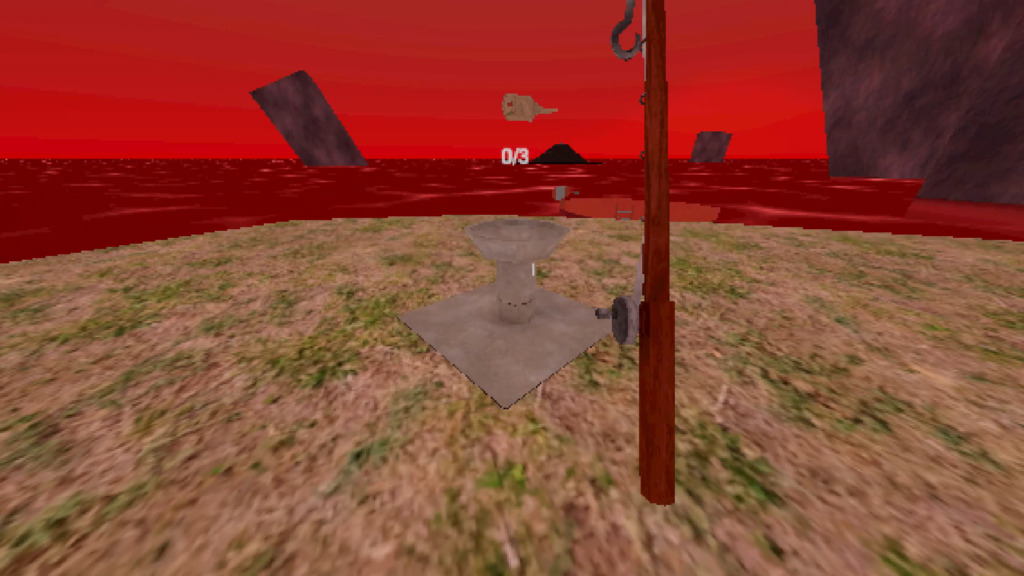
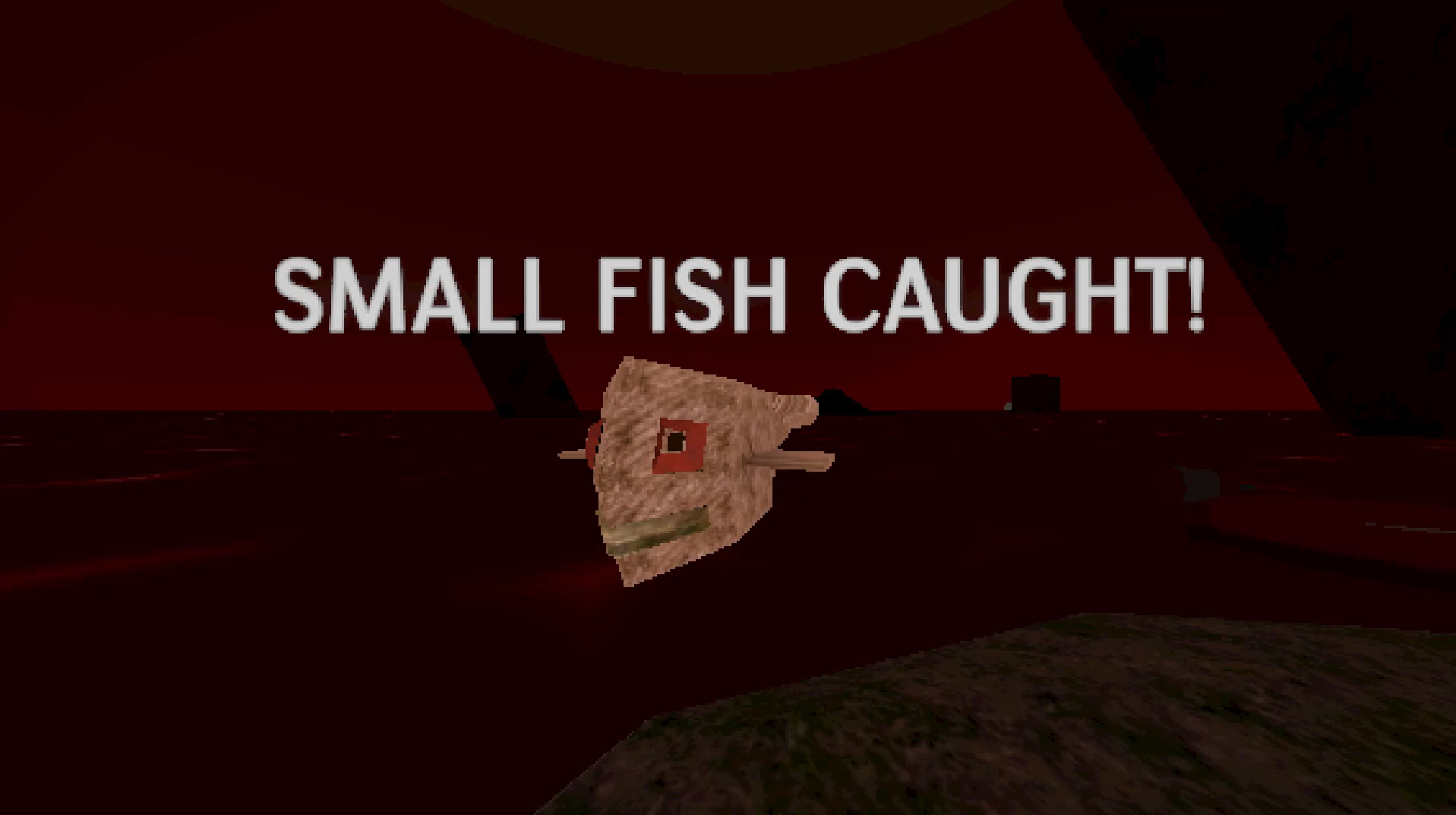
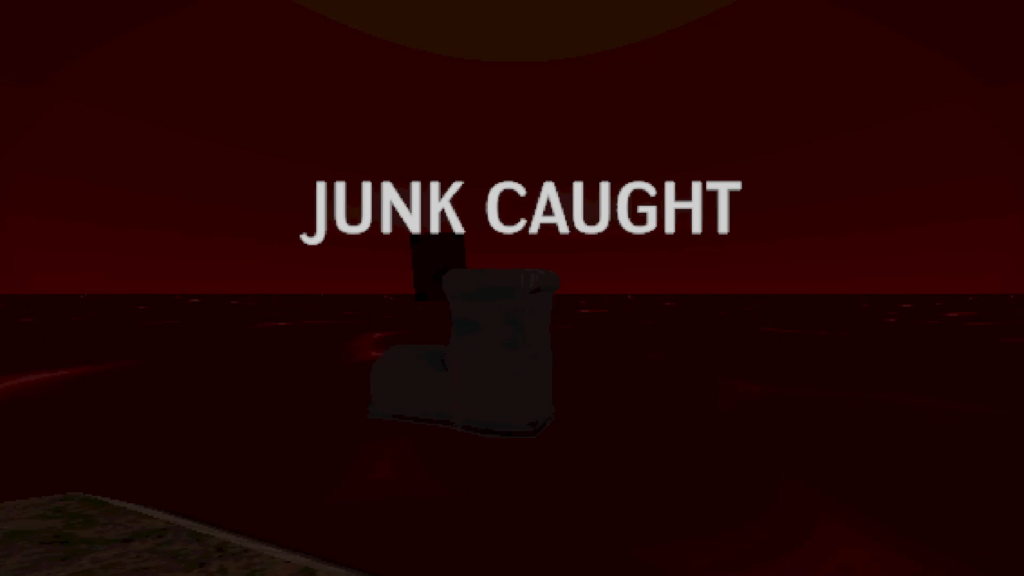
At first, the ocean story just feels like fishing. For instance, you’re catching specific fish, placing them on pedestals, and moving between small islands.

Nothing about it immediately screams horror. But then you start paying attention to the details.

Things like the water not looking normal, or fish aren’t typical.

And the more you repeat the loop, the more it starts feeling like you’re not actually “playing” a fishing game. Instead, you’re completing something that was already set up before you arrived.

Suddenly, the fishing experience flips completely.

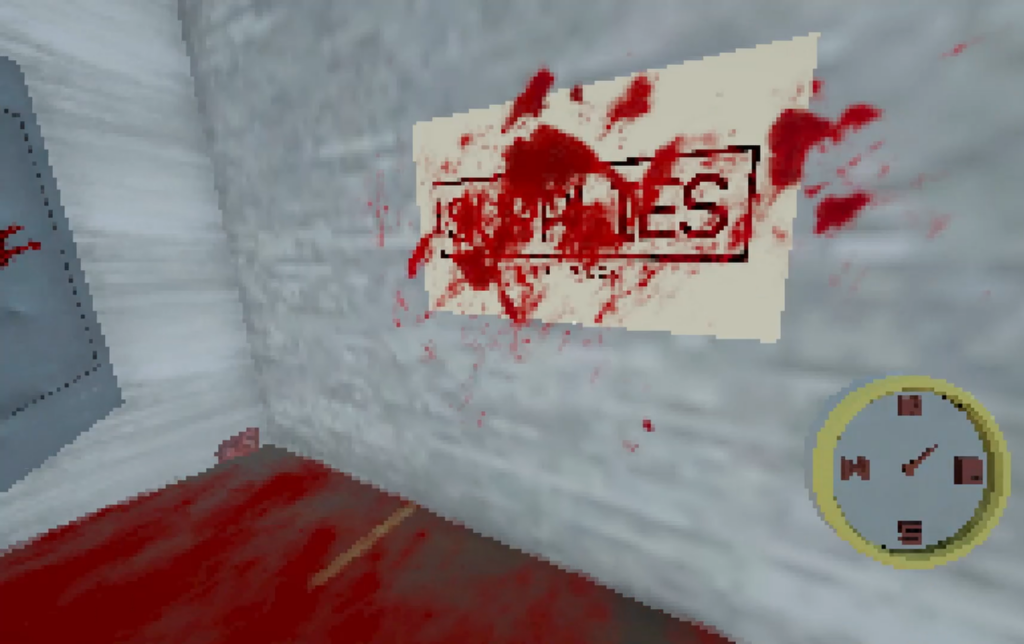
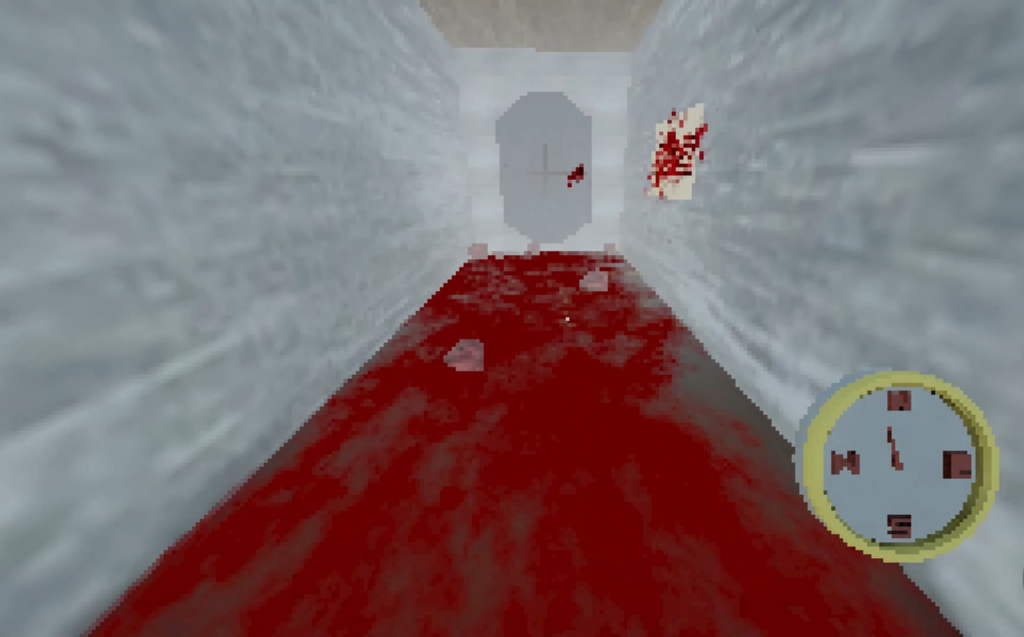
The snowstorm story doesn’t even try to hide what it is.

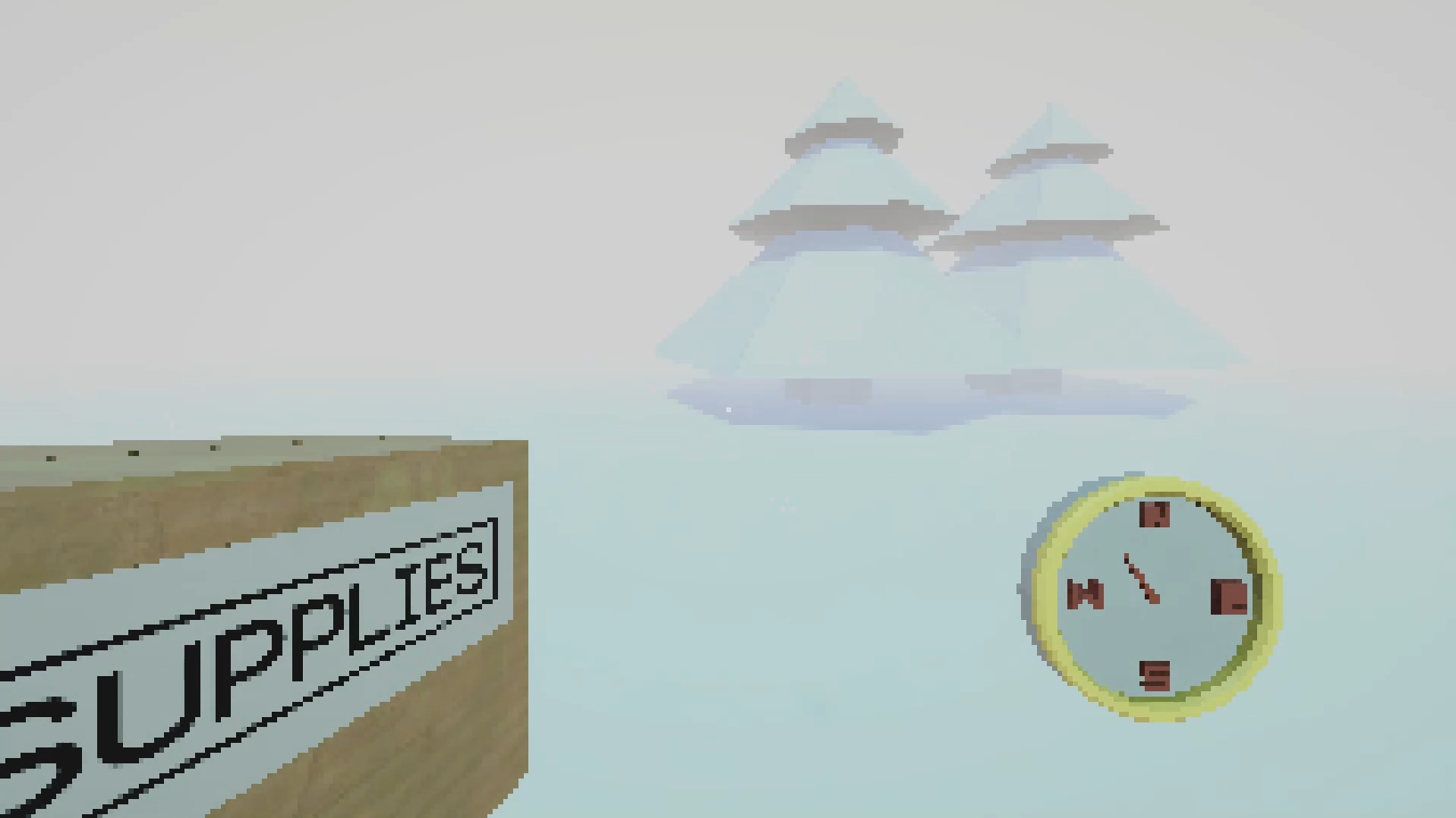
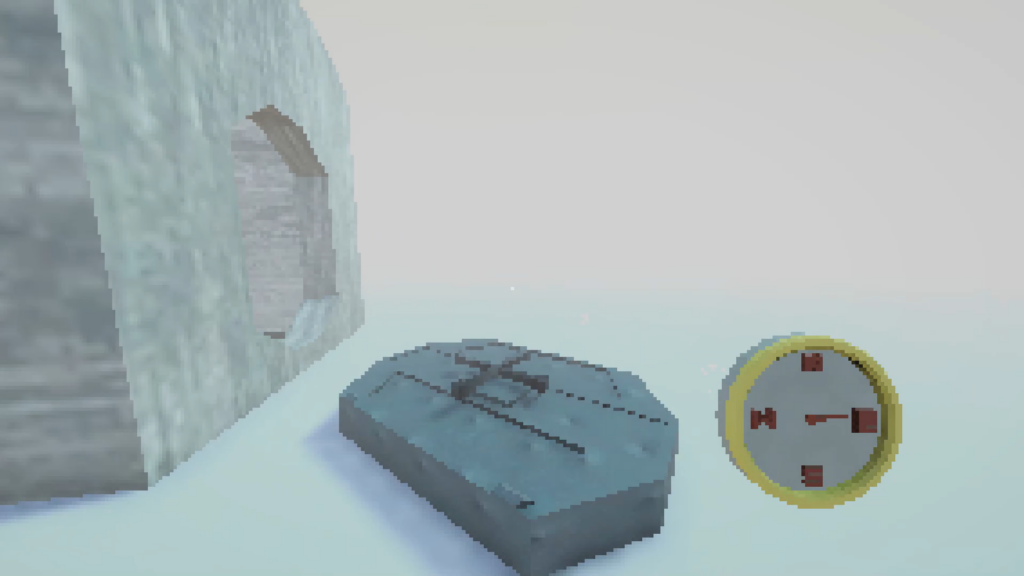
You’re dropped into a whiteout with a map and compass, told to deliver supplies, and then left to figure out what’s going on when things start going wrong.

And both stories end up doing the same thing in different ways. They isolate you, and then they wait to see what you do with that isolation.

THE GAMEPLAY LOOP

It’s actually one of the simpler ones when you break it down. You move through an environment, complete a task, something shifts, then you keep going anyway.

But what’s interesting is how quickly that loop stops feeling like a “game structure” and starts feeling like pressure.

In the ocean story, you don’t really question the fishing at first. It feels harmless enough.

But once the ritual part starts becoming clear, the loop changes meaning without changing mechanics. You’re still doing the same actions, but now it feels like you’re feeding something instead of just progressing.

In the snowstorm, it’s even more subtle. You’re just delivering supplies.

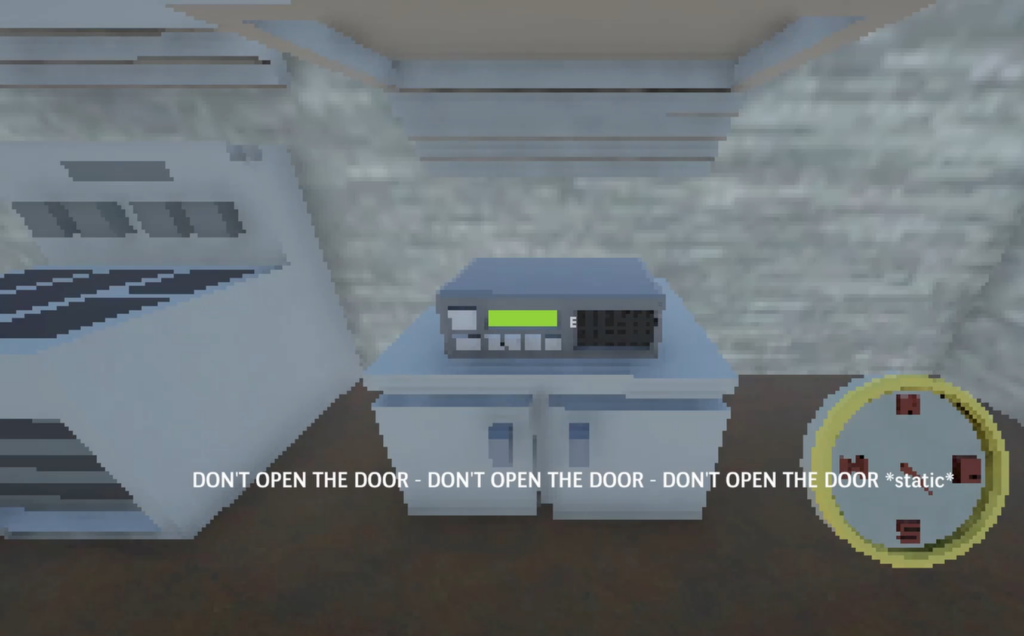
But the moment visibility drops completely, and the sound of footsteps enters the space, the entire loop breaks in your head.

You start thinking in terms of distance, direction, and whether you’re actually being followed.

That’s where it starts leaning into survival horror game energy without ever becoming combat focused.

THE ATMOSPHERE

This is probably the strongest part of both stories, but it works in very differently depending on which one you’re in.

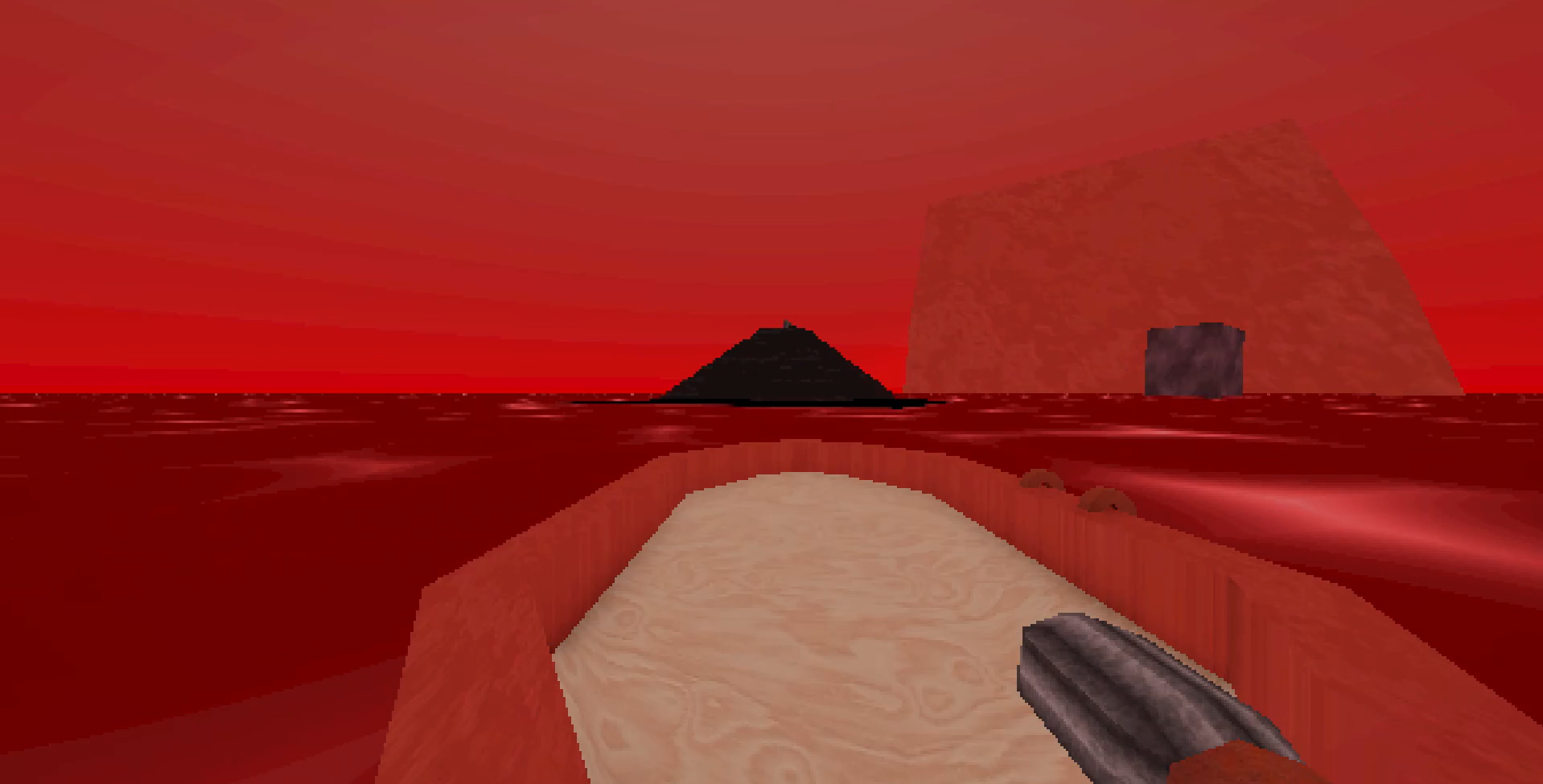
The fishing story has this strange stillness to it that’s more like something holding its breath underwater.

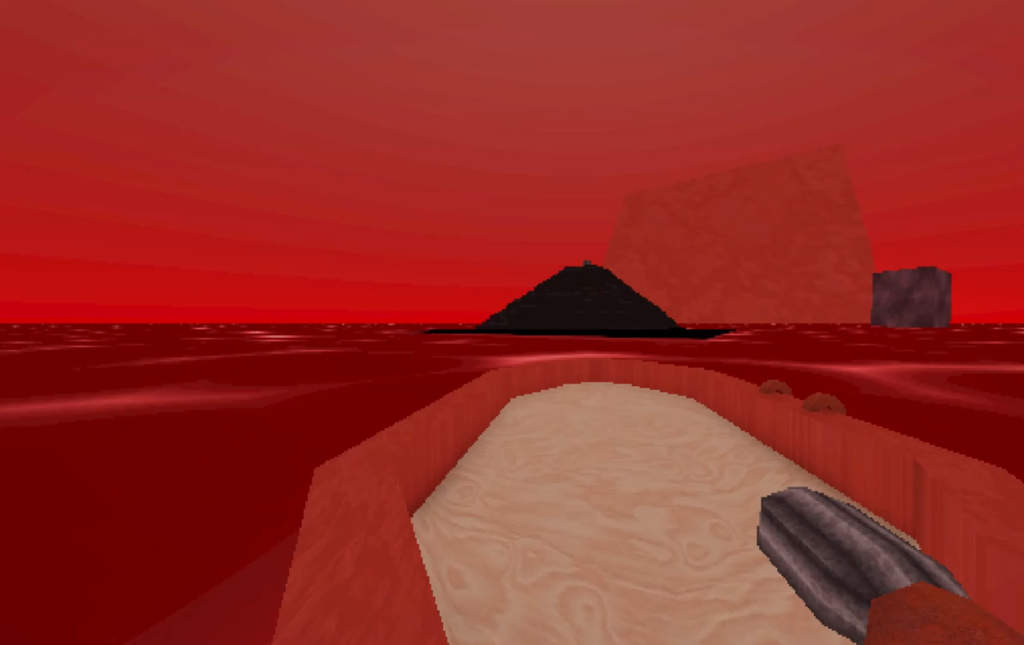
The blood red color makes distance hard to trust. You can see land, but it never feels like land is truly safe.

And then the black island in the distance almost feels wrong. Like it’s not part of the same space you’re in.

The snowstorm does the opposite.

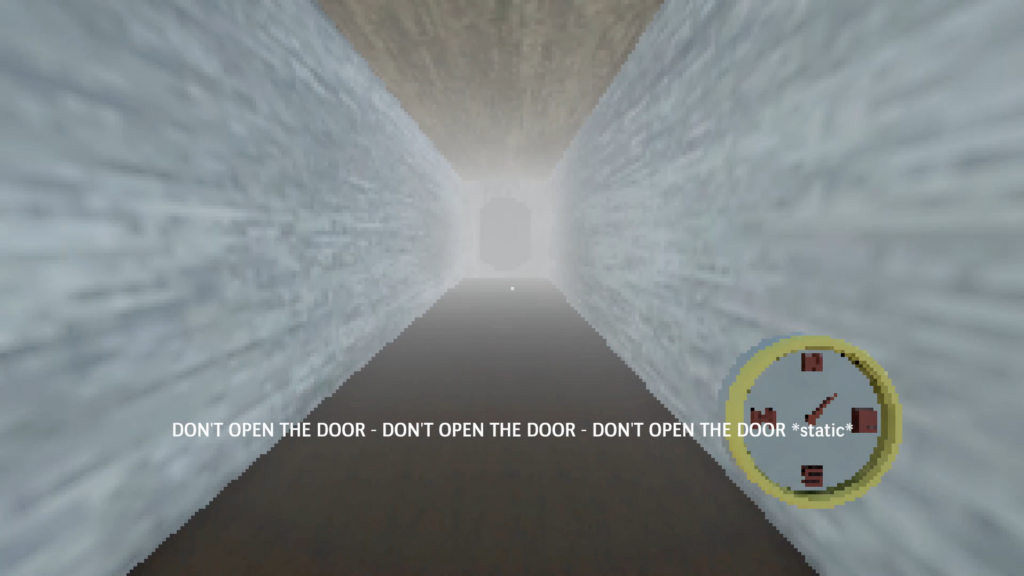
It gives you nothing but obstruction rather than stillness.

You can’t really see more than a few feet in front of you, so everything becomes sound based or guesswork. The compass becomes an item you put hope into.

From this, the atmosphere starts doing most of the horror work by removing certainty.

SOUND DESIGN

The fishing story uses sound very lightly, almost like it doesn’t want to distract you from what’s happening visually.

But that’s exactly why it works. When something finally does happen, it feels louder than it should.

In contrast, the snowstorm has sound be everything

Footsteps, wind distortion, distance cues all become part of how you survive the space.

Soon, that system stops being reliable. You start hearing things you can’t place properly.

That’s usually where the tension shifts from “navigation challenge” into actual fear

WHEN IT CLICKS

There’s a moment in both stories where you stop treating what’s happening like a sequence of tasks and begin to experience things in a new way.

In the fishing story, it’s when you realize the fish and pedestals are part of something structured around you, not for you.

In the snowstorm story, it’s when you stop trusting the idea that you’re alone in the whiteout.

That shift is subtle, and once it happens, the experience changes completely.

You’re trying to understand them while still inside them.

WHERE IT BREAKS

If there’s a limitation here, it’s mostly pacing.

Both stories are short, which means they rely heavily on atmosphere. When that atmosphere works, it’s great.

Yet, when you step back from it a bit, you can feel how quickly some ideas move from setup to payoff.

There are moments where you think something bigger is about to happen, and instead the story just ends.

This abruptness makes it feel more like fragments of ideas rather than fully expanded systems.

WHAT DIDN’T WORK

The biggest thing is probably consistency of payoff.

Some moments feel like they’re building something larger than what they actually deliver.

Not in a disappointing way but more in a “this could have been its own full game” kind of way.

Especially the snowstorm section. That one could honestly carry a full experience on its own if expanded.

THE ENDING (NO SPOILERS)

Both stories end in a way that doesn’t really try to explain what just happened.

They just stop once the situation reaches its peak.

I think that fits what Teeth Cutter is doing overall.

It’s more about leaving you in the middle of something you don’t fully understand rather than explaining things.

FINAL THOUGHTS

What I like about Teeth Cutter so far is that it doesn’t rely on traditional horror structure.

It’s more like here’s a situation, here’s how it slowly stops making sense, so now see how long you stay in it.

As a psychological horror game, it works because it doesn’t try to constantly remind you that you’re in danger. It just removes stability and lets you notice it yourself.

The fishing story does that through ritual disguised as routine. Meanwhile, the snowstorm story does it through isolation disguised as survival.

These both stick with you more than they probably should for how simple they look on the surface.

WATCH THE FULL PLAYTHROUGH

If you’re into indie horror that focuses more on atmosphere and uncertainty than traditional scares, Teeth Cutter is worth your time.

If you want more horror anthology, check out Teeth Cutter Part 1 here, or step into the isolating terror of Psalm 2 demo here.

If you enjoy indie horror breakdowns like this, follow Gravenox Horror Gaming, and trust me to explore horror so you don’t have to.