
The Pact does a pretty good job of making you suspicious before it gives you a reason to be. Unfortunately for me, I was right to be suspicious.
QUICK SNAPSHOT
Developer: Revus
Genre: Indie Horror
Platform: PC / Steam
Demo Length: Around 10 to 15 minutes
Demo Available: Steam
Playtested: September 2026
KEY TAKEAWAYS
- A short horror demo that gets moving without wasting much time.
- Environmental instructions actually matter later instead of being background decoration.
- One particular encounter gets a lot of mileage out of sound and what you can’t see.
- The final chase introduced some movement frustration, but the demo ended with enough unanswered questions to make me curious about the full game
FIRST IMPRESSIONS
The Pact starts with a simple enough problem… I’ve been kidnapped apparently, I don’t know why, and getting the hell out seems like a reasonable first objective.
It doesn’t take long before the situation starts getting stranger.
The opening is fairly straightforward, which worked for me. Rather than dumping a bunch of exposition on the player, the demo gives you enough information to understand the immediate problem and lets the environment handle a lot of the rest.
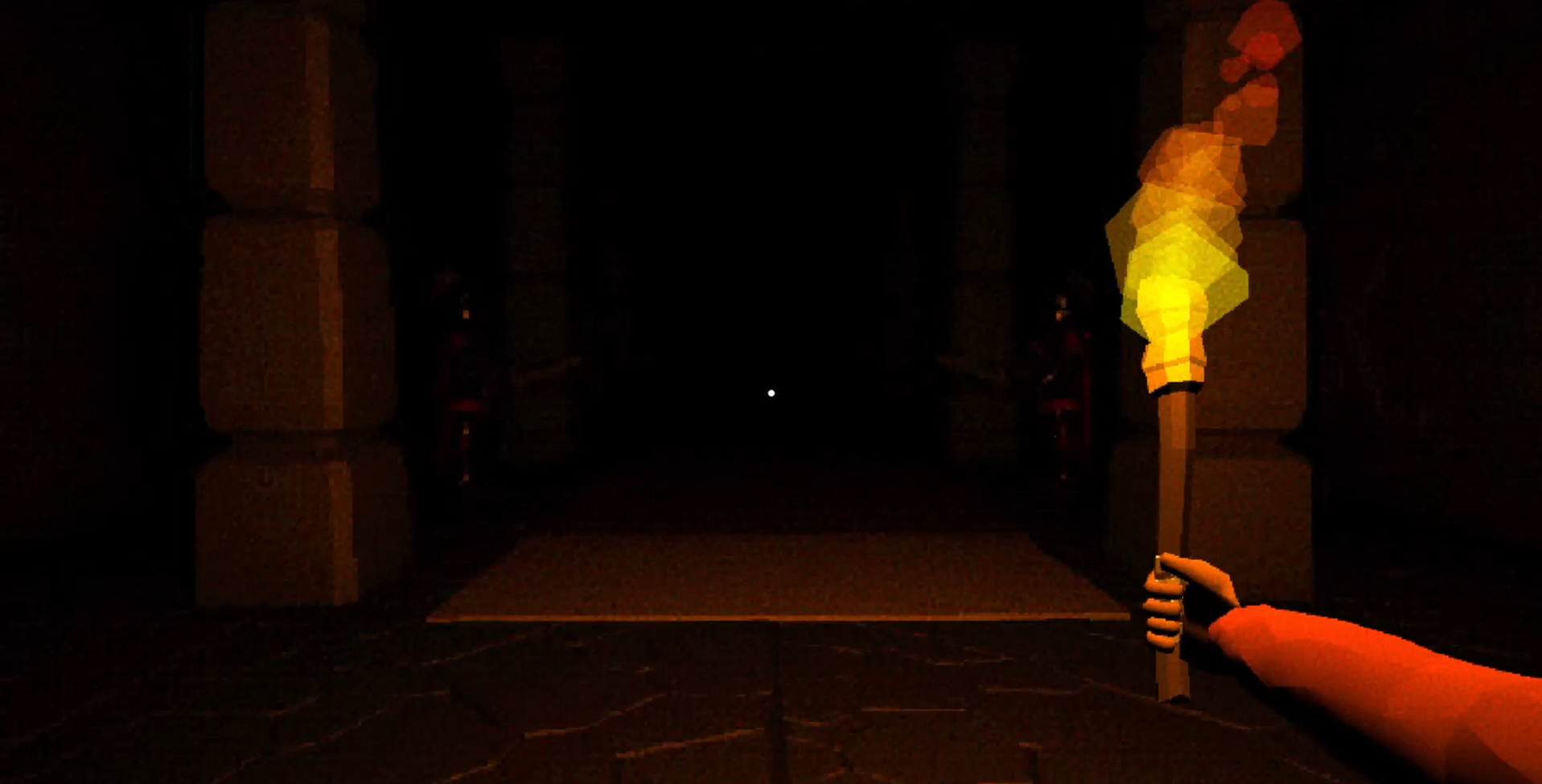
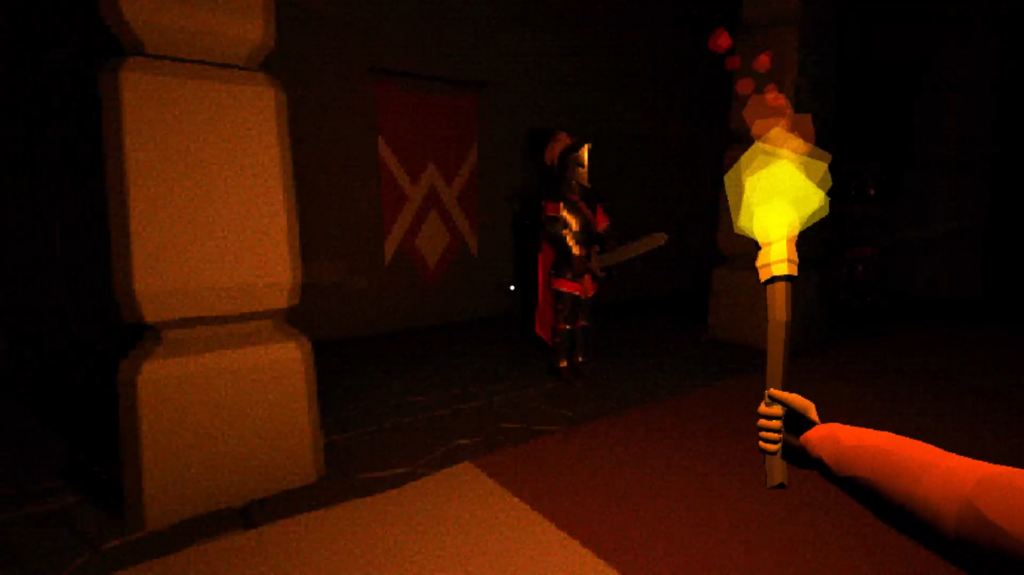
That becomes important once you start wandering through dark stone corridors populated by suits of armor.
Yeah…. Motionless suits of armor in a horror game.
Nothing bad ever happens with those.
THE GAMEPLAY LOOP
Most of the demo is built around first-person exploration, environmental interaction and figuring out how to get through whatever is currently blocking your escape.
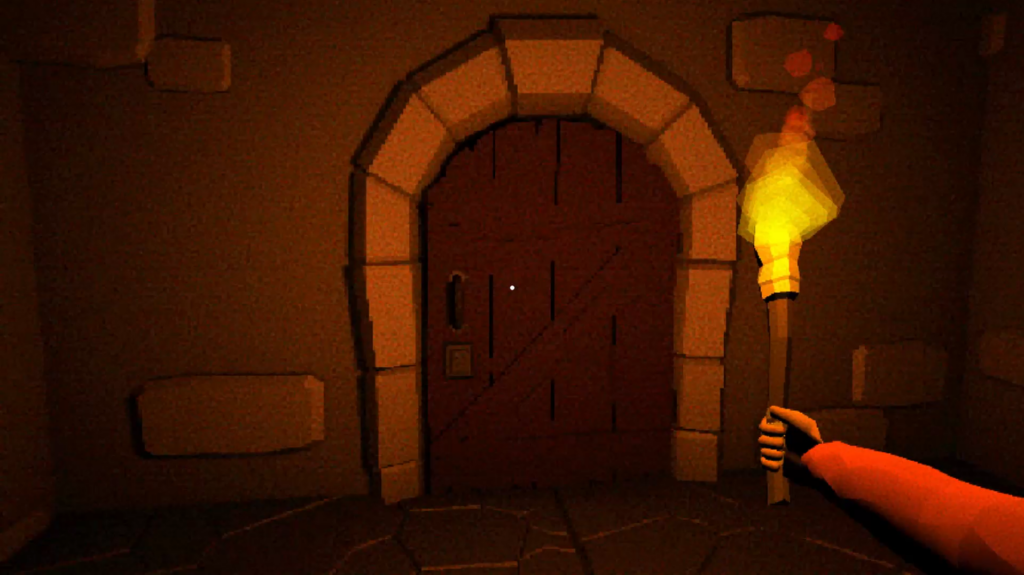
There are instructions written throughout the environment explaining certain interactions. Initially, these can feel like simple tutorial prompts, but The Pact does something I appreciated. It later expects you to remember what you learned.
At one point, furniture blocks the way forward during a much more urgent situation. I remembered an earlier instruction explaining that furniture could be moved and immediately knew what the game expected from me.
That’s a small thing, but it’s much better than stopping everything to explain the mechanic again.
THE ATMOSPHERE
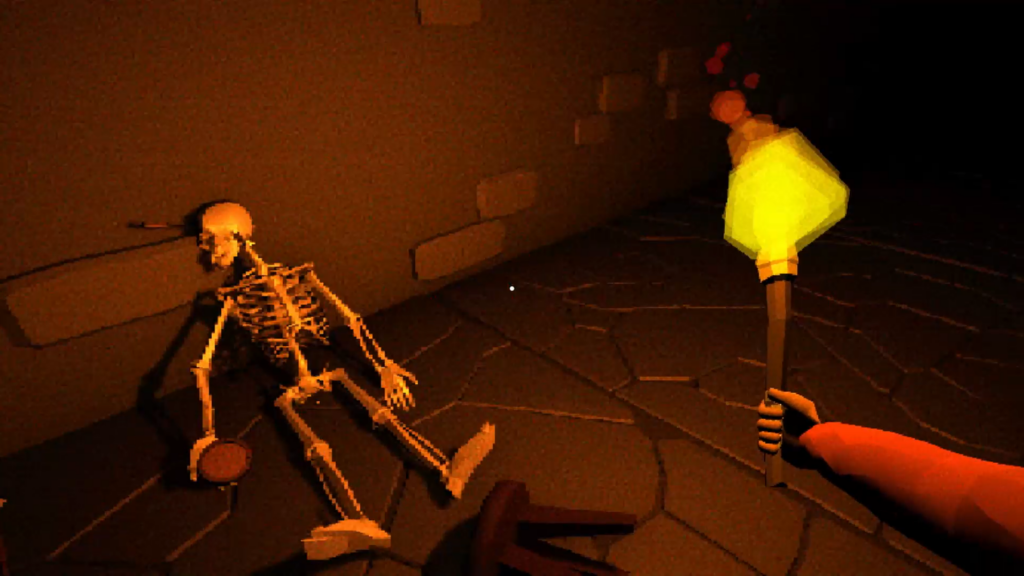
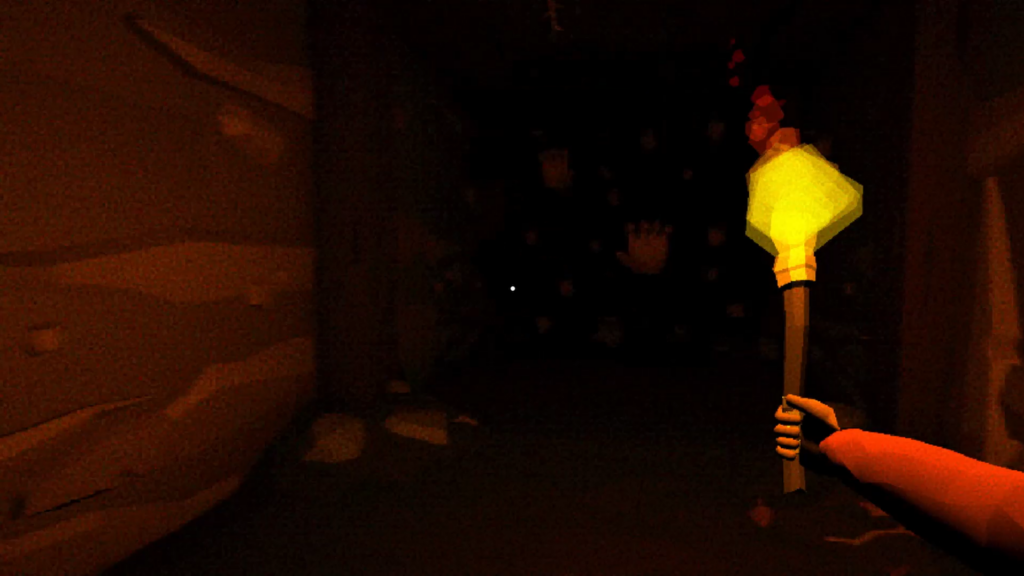
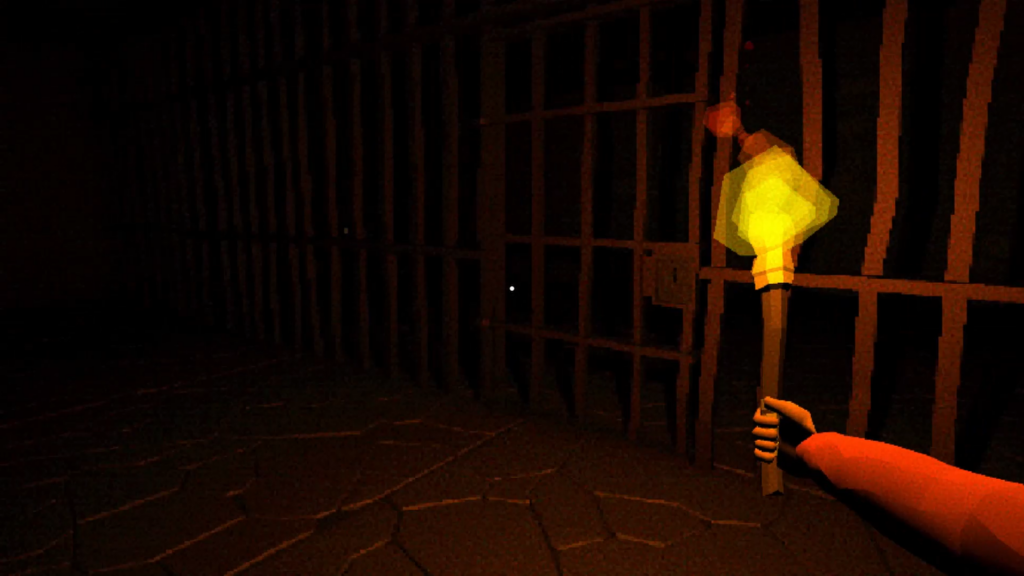
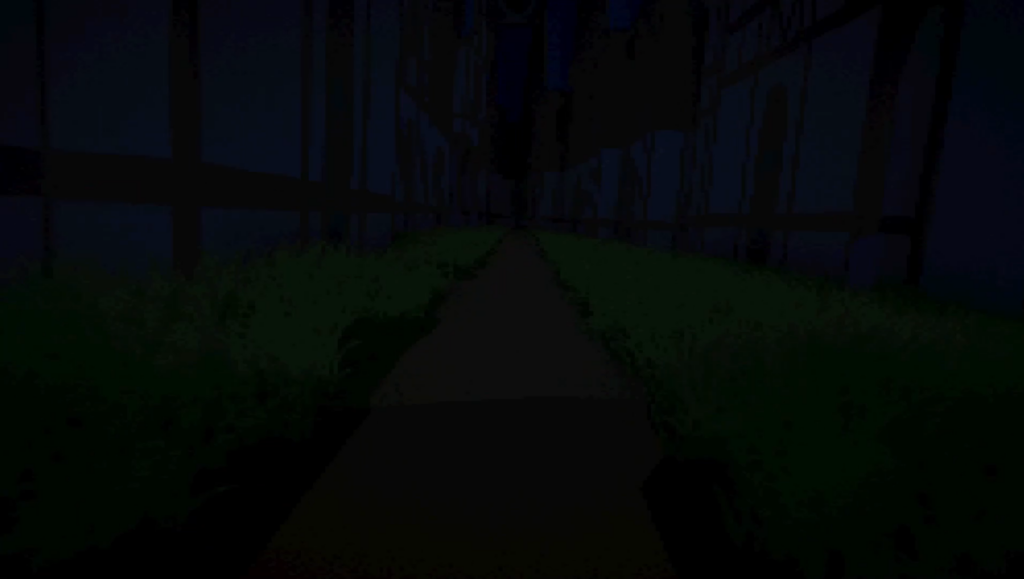
Visually, the game leans into dark corridors, stone architecture, torchlight and long stretches where you can’t quite tell what might be waiting farther ahead.
The suits of armor were where that atmosphere really started working on me.
Walking past rows of them, I was already expecting the obvious bad idea to happen. Eventually, the game gives you the message:
“It moves when out of sight.”
My first reaction was basically, What moves? I found out.
SOUND DESIGN
This was probably my favorite part of the demo.
Once the armor encounter begins, you can hear metallic footsteps somewhere behind you. More importantly, I could distinguish those footsteps from my own.
As they became louder, I knew the thing was getting closer without knowing exactly how close it was.
That uncertainty created more tension for me than simply putting the threat on screen and having it chase me. I started reacting to the sound itself, which is exactly the sort of thing I want from horror audio.
WHEN IT CLICKS
The armor sequence was the point where The Pact clicked for me.
Before that, I was exploring because I wanted to know what was happening. Afterward, I was paying considerably more attention to what the game was telling me, and what might be happening outside my field of view.
It also confirmed that some of those earlier environmental instructions weren’t disposable tutorial text. The game was teaching mechanics it expected me to carry forward.
WHAT DIDN’T WORK
The biggest friction came during the later chase.
I understood what I needed to do, so this wasn’t really a progression clarity problem. The trouble was actually doing it.
Getting too close to furniture or the walls could slow me down, and that’s especially punishing when you’re already trying to navigate a narrow path while something is coming after you.
I died several times before figuring out just how much clearance I needed when moving around the furniture. By that point, the sequence had shifted from tense to frustrating for me.
There was smaller interaction/readability hiccup. My character’s raised hand partially obscured some environmental text until I adjusted the camera.
It was nothing disastrous, but noticeable.
DEMO VERDICT
The Pact is short but understands one useful rule of horror…. Sometimes knowing something is behind you is worse than seeing it.
The armor encounter was easily the highlight for me, particularly because the sound design made me judge a threat I couldn’t safely keep watching. The later chase could use some smoothing around movement and environmental collision, but it didn’t erase what worked beforehand.
More importantly, I reached the end still asking questions.
Who kidnapped me? What exactly was I escaping from? And why does this situation seem considerably stranger than it first appeared?
For a short horror demo, that’s a pretty good place to leave things.
WATCH THE FULL PLAYTHROUGH
I recorded my full playtest of The Pact with permission from the developer. You can watch the no-commentary playthrough below.
Play / Wishlist The Pact on Steam
Need another suspensful experience? Check out my Tormentum II or you can take a look at Psalm 2.
If you enjoy indie horror breakdowns like this, follow Gravenox Horror Gaming, and trust me to explore horror so you don’t have to.
The Pact was playtested for Gravenox, and detailed playtest feedback was provided directly to the developer

Nero is a writer and lore researcher known for reviewing games on Steam. With years of experience playing horror games, uncovering hidden narrative patterns across indie and AAA titles, and publishing museum catalogs on ancient objects, he blends commentary with psychological horror theory. When he’s not unraveling storylines, he’s enjoying rock music, drawing, working in analytics or obviously playing video games. Check out his latest post to explore the furtive patterns hidden in game lore.