Skip to content

Tormentum II Preview: A Psychological Horror Game Worth it

Tormentum II invites you to get lost in nightmares, then asks whether you created them in the first place.

Disclosure: OhNoo Studio provided Gravenox with a review key and press materials for coverage. This preview is based on approximately 2–3 hours of gameplay. A full review will follow after I complete the game.

QUICK SNAPSHOT

Developer: OhNoo Studio
Genre: Psychological horror game / Point and click horror
Platforms: Windows, macOS, SteamOS, Linux
Current Playtime: Approximately 2–3 hours
Full Game Length: 8–12 hours (developer estimate)
Release Date: July 23, 2026
Price: $19.99 USD (15% launch discount available at launch)

KEY TAKEAWAYS

  • A compelling opening mystery built around AI, dreams, and reality.
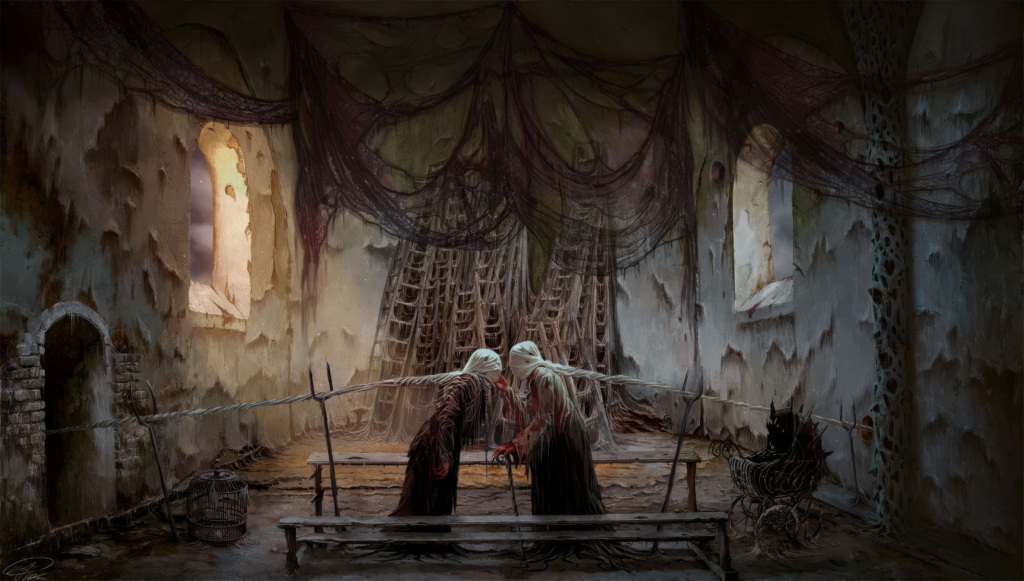
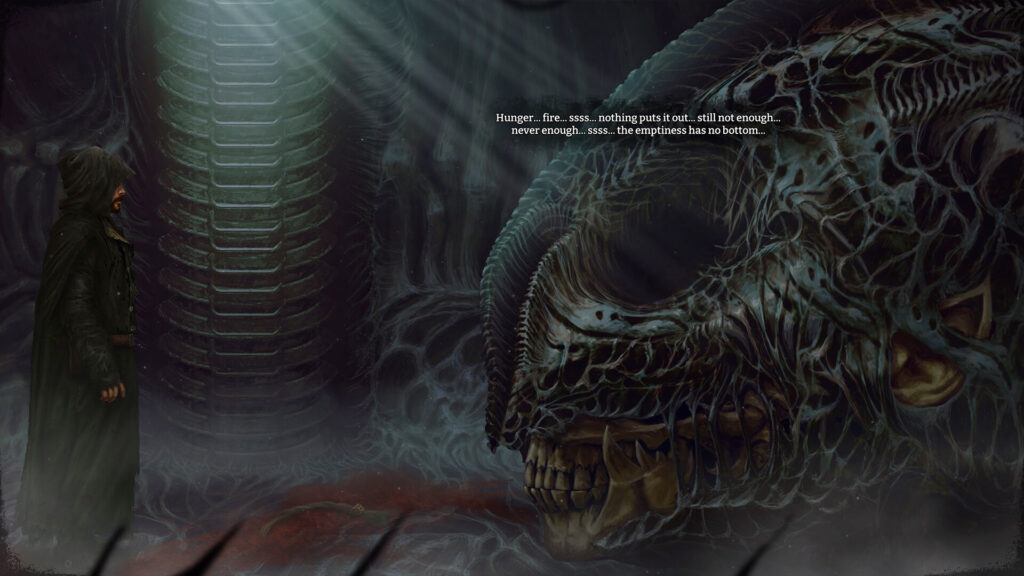
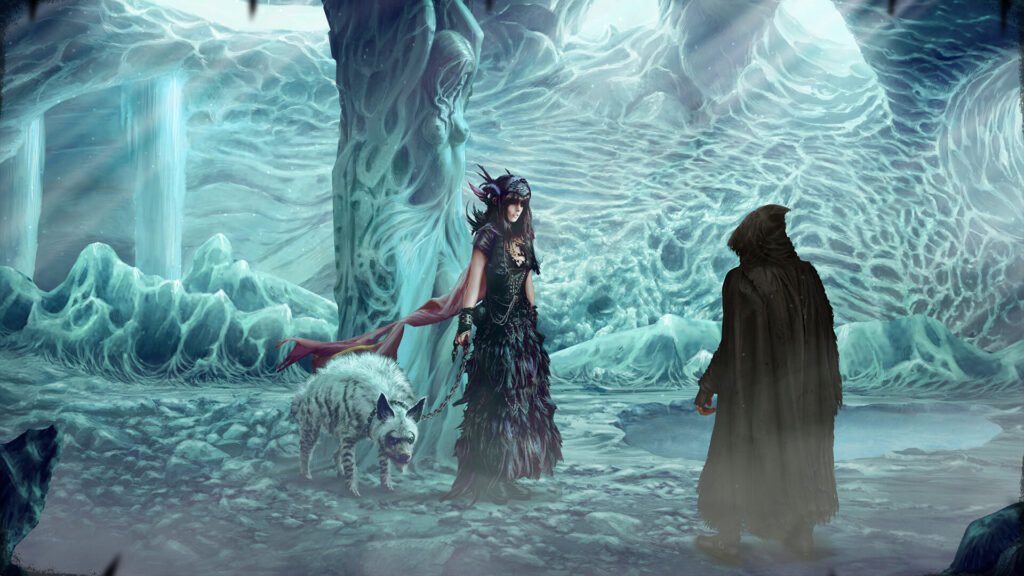
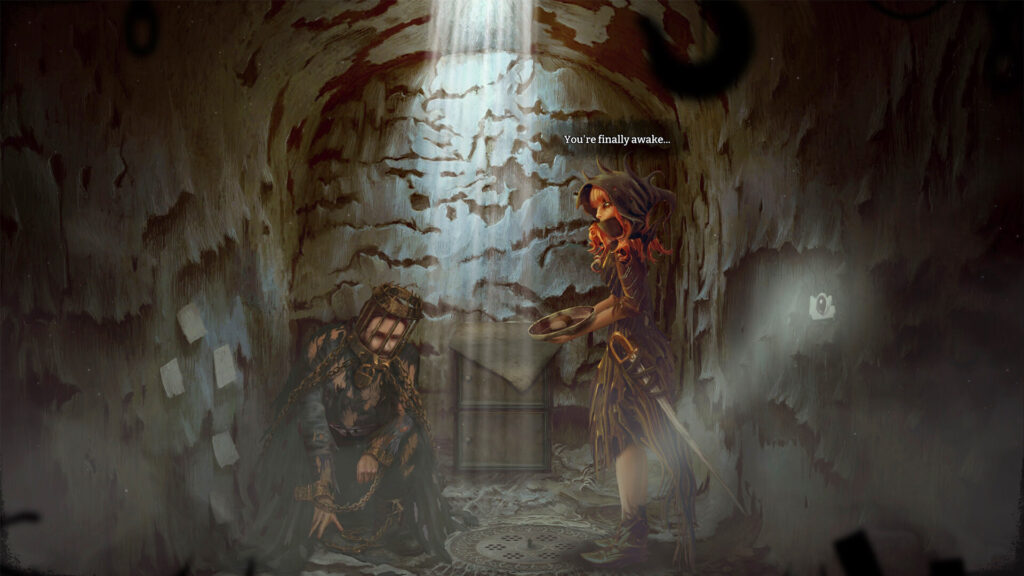
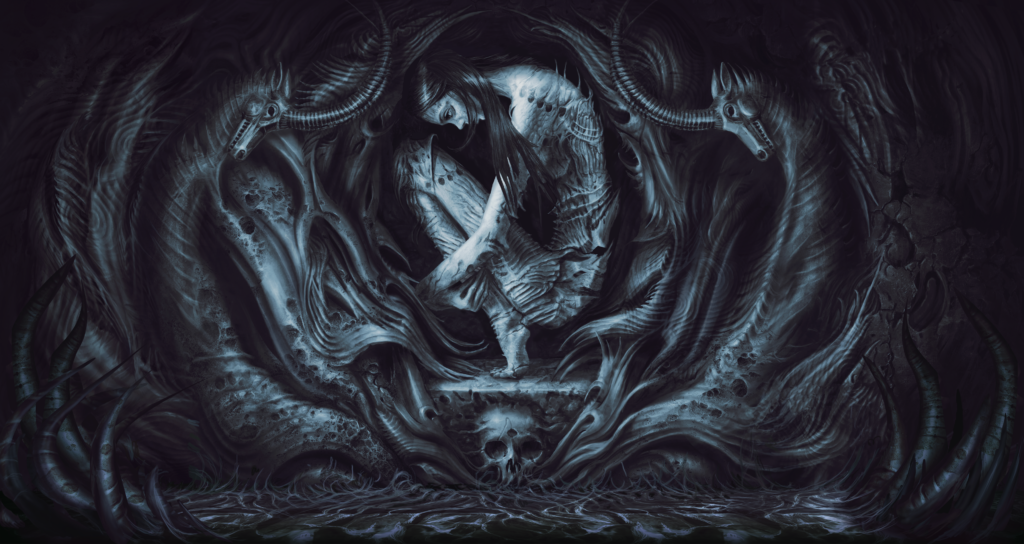
  • Beautiful hand-drawn environments inspired by H.R. Giger and Zdzisław Beksiński.
  • Puzzle design encourages observation instead of excessive hand holding.
  • Psychological horror takes priority over constant jump scares.
  • The story has already given me enough questions that I genuinely want answers

FIRST IMPRESSIONS

With the predecessor being known for its unsettling visuals, does Tormentum II lean heavily on its artwork.

Yes, unsettling is there but something else is added too, a strong psychological horror adventure game. OhNoo Studio openly embraces inspiration from H.R. Giger and Zdzisław Beksiński.

Eleven years later, the studio returned with a standalone sequel that doesn’t require playing the first game. Its telling a new story centered on artificial intelligence, simulated worlds, and fractured reality.

What surprised me was the genuine artwork and… well, David.

Rather than serving as an empty protagonist for players to project themselves onto, David immediately establishes himself as someone with clear motivations and flaws.

David is brilliant, determined, and perhaps a little too obsessed with perfection. He sketches objects to remember them, critiques his own creations, and speaks in a way to that something has been weighing on him.

The opening does an excellent job introducing just enough information to hook you without overexplaining everything.

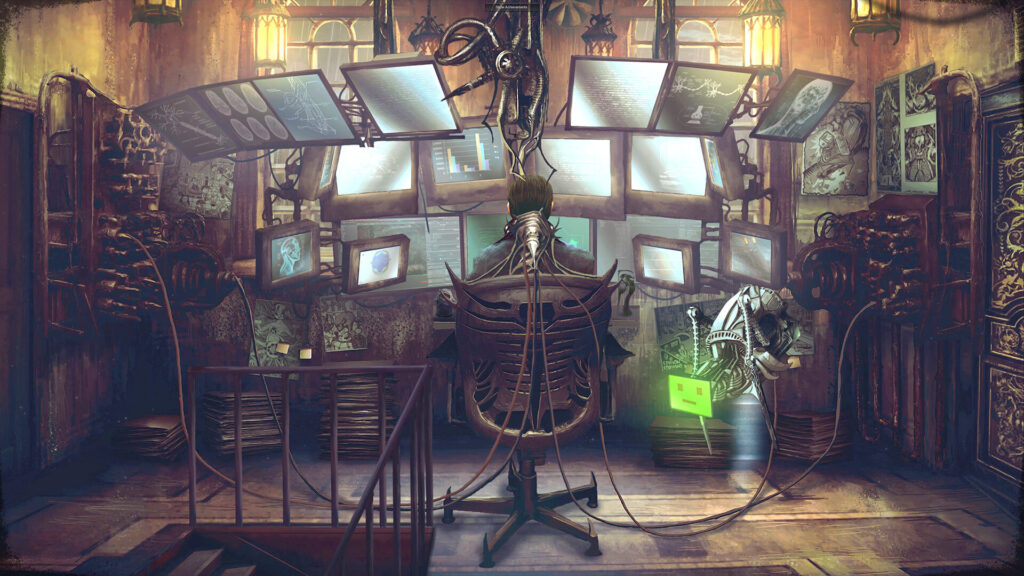
David is developing a simulation populated by intelligent inhabitants when recurring dreams, a mysterious coprocessor, and increasingly impossible events begin blurring the line between reality and the world he’s building.

The game lets those questions linger, and that’s exactly why the mystery works.
THE GAMEPLAY LOOP

As a point and click horror adventure, Tormentum II keeps its gameplay approachable.

You’ll explore environments, inspect nearly everything, collect items, solve environmental puzzles, and slowly unravel the story through conversations and observations.

Nothing here reinvents the genre, but the execution feels polished.

So far, the puzzles have been satisfying because they reward paying attention. One puzzle involving restoring power particularly stood out as it resembled actual rewiring.

Most of the challenge has come from observation.

There was only one moment where progression felt slightly vague. I understood what needed to be accomplished, but locating the screwdriver required for the solution took longer than expected.

The screwdriver blended naturally into the environment. Thankfully, that’s been the exception.

THE ATMOSPHERE

This is where Tormentum II immediately earns its identity.

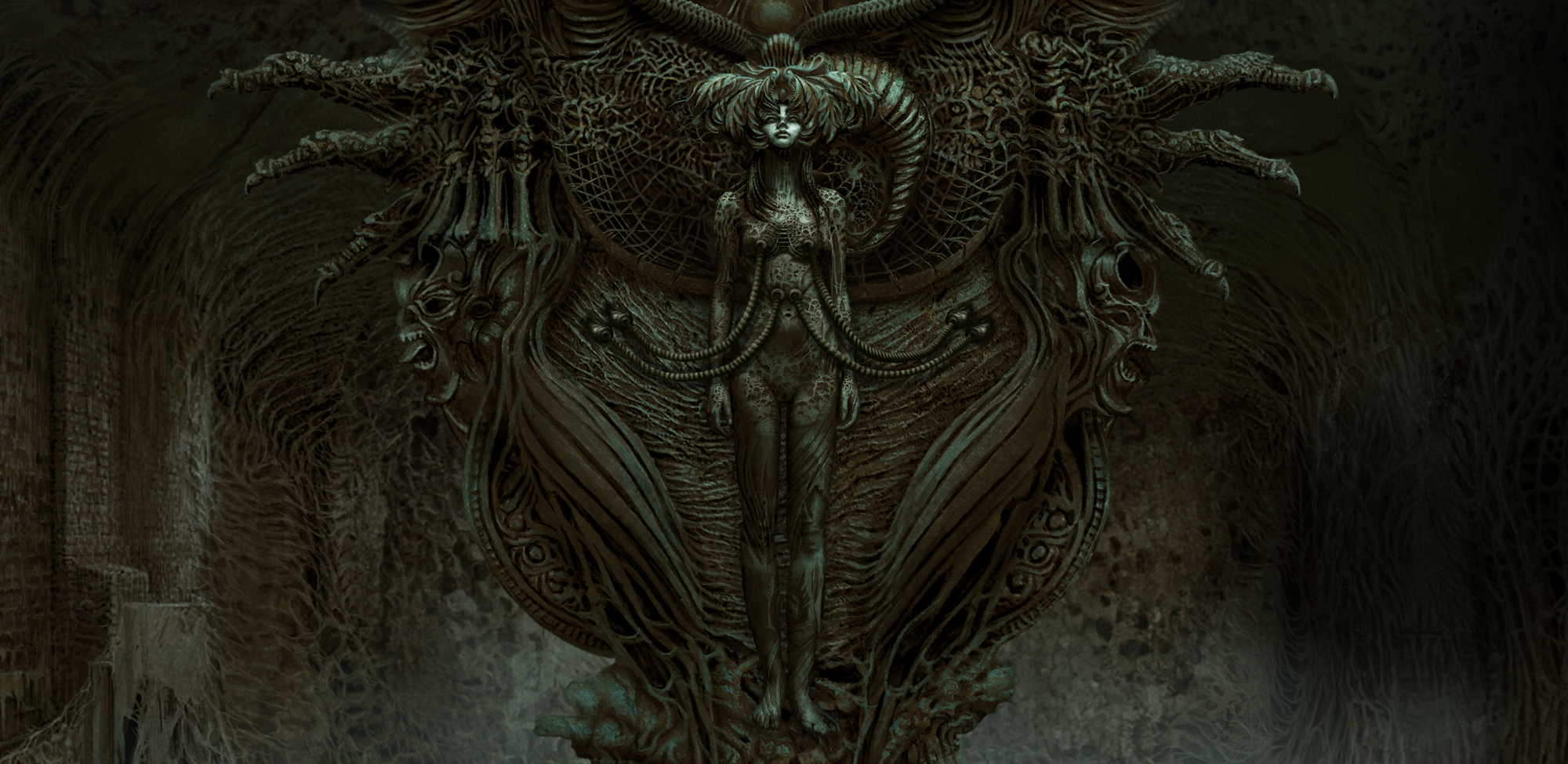
The game’s surreal horror aesthetic feels like a marriage between dystopian science fiction and biological nightmare.

The Giger influence appears through the technology and biomechanical elements, while Beksiński’s influence emerges through bleak architecture, distorted figures, and an overwhelming sense of decay.

Everything feels oppressive.

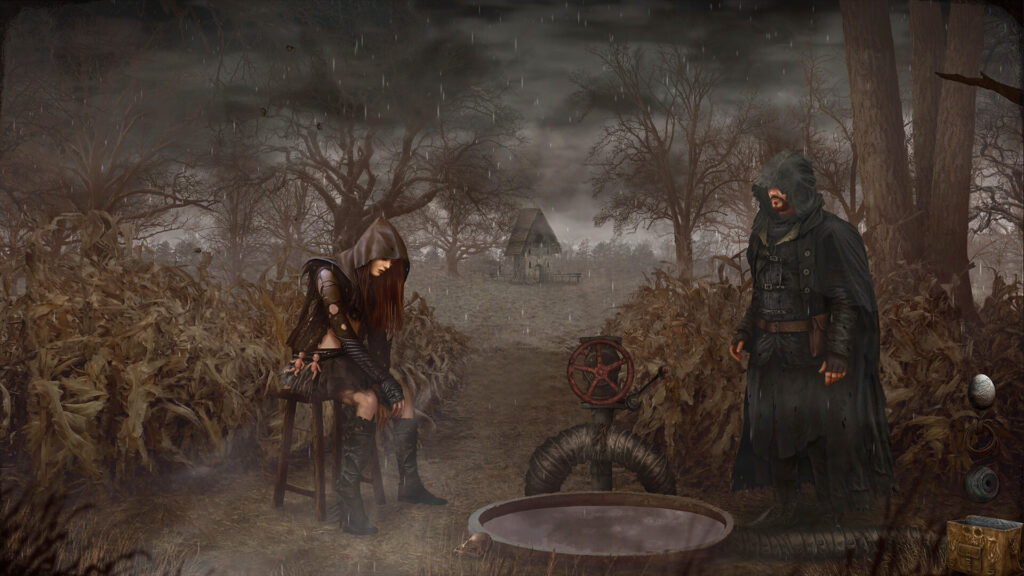
Neon lighting struggles against endless darkness. Rain falls over polluted skylines.

Familiar apartments slowly become consumed by silk-like membranes and alien growths that transform ordinary locations into something unsettling.

What impressed me most was how gradually the world changes.

Reality gradually deteriorates until you’re questioning whether David is hallucinating, dreaming, trapped inside his own simulation, or experiencing something else.

That uncertainty creates far more tension than monsters jumping into frame every few minutes.

SOUND DESIGN

The audio deserves just as much credit as the visuals.

Ambient music constantly reinforces the feeling that something isn’t right. During quieter exploration, the soundtrack leans into oppressive tones that complement the futuristic setting.

Elsewhere, particularly in locations like the Awe Bar, the music adopts a stronger cyberpunk identity while still maintaining an unsettling atmosphere.

Jump scares are used sparingly. Instead, the sound design builds anticipation.

One encounter involving an entity emerging after David takes medication genuinely caught me off guard.

Everything about its appearance and timing felt deeply off. Moments like these allow tension to rise naturally before releasing it and returning us to uneasy exploration.

WHEN IT CLICKS

The moment Tormentum II really hooked me happened when I realized I was just as confused as David.

The game intentionally withholds information while presenting strange encounters, conflicting explanations, and increasingly impossible events. This made me more invested than anything.

Who can David trust?

Is the nightmare real?

Is the simulation alive?

Has something entirely different happened?

Those questions kept me exploring every room, reading every sketch, and examining details I might ignore.

WHAT DIDN’T WORK

Very little has frustrated me during these opening hours.

My biggest criticism is that item readability could occasionally be clearer. The screwdriver mentioned earlier slowed progression more because of visibility than puzzle design.

Beyond that, performance has been excellent.

I experienced no crashes, no bugs, and no noticeable lag while playing, even on a system with only 8 GB of RAM.

DEMO VERDICT

Based on my first few hours, Tormentum II is shaping up to be a memorable indie horror game that understands restraint.

OhNoo Studio builds discomfort through atmosphere, environmental storytelling, and uncertainty.

David is already proving to be a compelling protagonist, the mystery surrounding the simulation continues pulling me forward, and the hand-drawn world is one I simultaneously want to explore and escape.

I haven’t reached the multiple endings or experienced the full story yet, so I’m not ready to offer a final verdict.

What I can say is this:

If you enjoy psychological horror games, thoughtful point and click horror adventures, and indie horror games that prioritize mystery over spectacle, Tormentum II has made an excellent first impression.

I’m looking forward to seeing whether the remaining hours deliver answers worthy of the questions the opening has raised.

WATCH THE FULL PLAYTHROUGH

Steam: Tormentum II

If you want another surreal experience, check out The Mailroom. Want a more horror themed demo, take a look Psalm 2.

If you enjoy indie horror breakdowns like this, follow Gravenox Horror Gaming, and trust me to explore horror so you don’t have to.